Nikkei Asia reports that despite increased efforts to boost DRAM production, manufacturers are projected to fulfill only about 60% of demand by the end of 2027. Key memory manufacturers, including Samsung, SK Hynix, and Micron, are expanding fabrication facilities, but most new capacity won't be operational until 2027 or later. SK Group's newly opened fab in Cheongju is currently the sole production increase expected for 2026. Industry estimates suggest that production must grow 12% annually through 2026 and 2027 to keep pace with demand; however, this goal remains challenging to achieve.

Dairy Queen is integrating AI-powered chatbots into dozens of drive-thru locations across the US and Canada to speed up service and encourage larger orders. This rollout follows a successful trial last year and involves technology from Presto, an AI firm that supports other fast food chains like Carl's Jr. and Taco John's. However, reports indicate that human agents in places like the Philippines may assist the chatbot system behind the scenes.

The Electronic Frontier Foundation (EFF) has called on the attorneys general of California and New York to probe Google for allegedly deceptive trade practices. The EFF claims Google has failed to inform users before providing their data to law enforcement agencies such as ICE. Despite Google's long-standing promise to notify users prior to disclosing personal information, the group highlights a case involving Amandla Thomas-Johnson, a former Cornell University PhD candidate, who reportedly was not informed when ICE accessed his university email account. The EFF suggests this incident may not be an isolated example of Google’s data sharing practices.

Microsoft is experimenting with integrating features inspired by OpenClaw—an open-source platform for AI agents that operate locally—into its Microsoft 365 Copilot assistant. This move aims to enable the Copilot to function independently, running continuously to complete tasks for users without constant input. Omar Shahine, corporate vice president at Microsoft, confirmed the company is investigating how technologies like OpenClaw might be applied in enterprise environments. The initiative reflects Microsoft's broader ambition to enhance productivity through more autonomous AI assistance.

Julia Liuson, who has led Microsoft's Developer Division for the past 12 years, is stepping down after a 34-year tenure at the company. During her leadership, Microsoft shifted focus towards open source initiatives and completed the $7.5 billion acquisition of GitHub. Liuson will remain in her role until the end of June before transitioning to an advisory position under CoreAI chief Jay Parikh. Details on her successor or future organizational structure for DevDiv have yet to be announced.
Suno, an AI music creation platform, is currently facing difficulties securing licensing agreements with Universal Music Group and Sony Music Entertainment. The central dispute revolves around the distribution rights of AI-generated tracks: Universal insists that these tracks remain confined within platforms like Suno, whereas Suno advocates for broader sharing and distribution across the internet. This disagreement highlights the complex challenges at the intersection of AI innovation and traditional music rights management.

In this in-depth conversation, Todd McKinnon, co-founder and CEO of Okta, discusses how his company is navigating the challenges and opportunities presented by AI and the evolving software landscape. He expresses a healthy paranoia about the so-called SaaSpocalypse—the risk from customers building their own internal tools—and explains why Okta sees a massive opportunity in managing AI agent identities within organizations. Agents, which are hybrid identities somewhere between people and systems, require new approaches to security and integration, and Okta is pioneering a blueprint for an agent-centric enterprise with standards and kill switches to mitigate risks. Todd also reflects on evolving organizational structures and leadership tactics needed to thrive in this rapidly changing AI-driven world, emphasizing adaptability, customer trust, and collaboration across platforms. The company aims to become the backbone for secure agent orchestration as the market for AI agents expands dramatically. The interview touches on how AI agents intersect with databases, the importance of digital identity, challenges around AI-powered fraud, and the vital role of regulation and industry standards in shaping the future of software and cybersecurity.

Bluesky has introduced Attie, an AI-powered assistant designed to let users create personalized content feeds by tailoring their own algorithms. Revealed at the Atmosphere conference by Bluesky’s former CEO Jay Graber and CTO Paul Frazee, Attie operates using Anthropics’ Claude AI and Bluesky’s AT Protocol. Users can customize feeds with natural language requests like "posts about folklore, mythology, and traditional music, especially Celtic traditions." Initially, these tailored feeds will be available in the standalone Attie app, with plans to integrate them into Bluesky and other atprotocol-based apps in the future.
In a surprising turn on Tuesday, OpenAI announced the discontinuation of its video-generation app, Sora, and abandoned plans to integrate video features within ChatGPT. Alongside this, the company halted a $1 billion collaboration with Disney, reassigned a key executive, and secured an impressive $10 billion in fresh investments, pushing the total funding round beyond $120 billion. This string of major decisions underscores OpenAI's urgent pivot towards financial sustainability, as Sora’s extensive computing demands failed to yield proportional revenue.

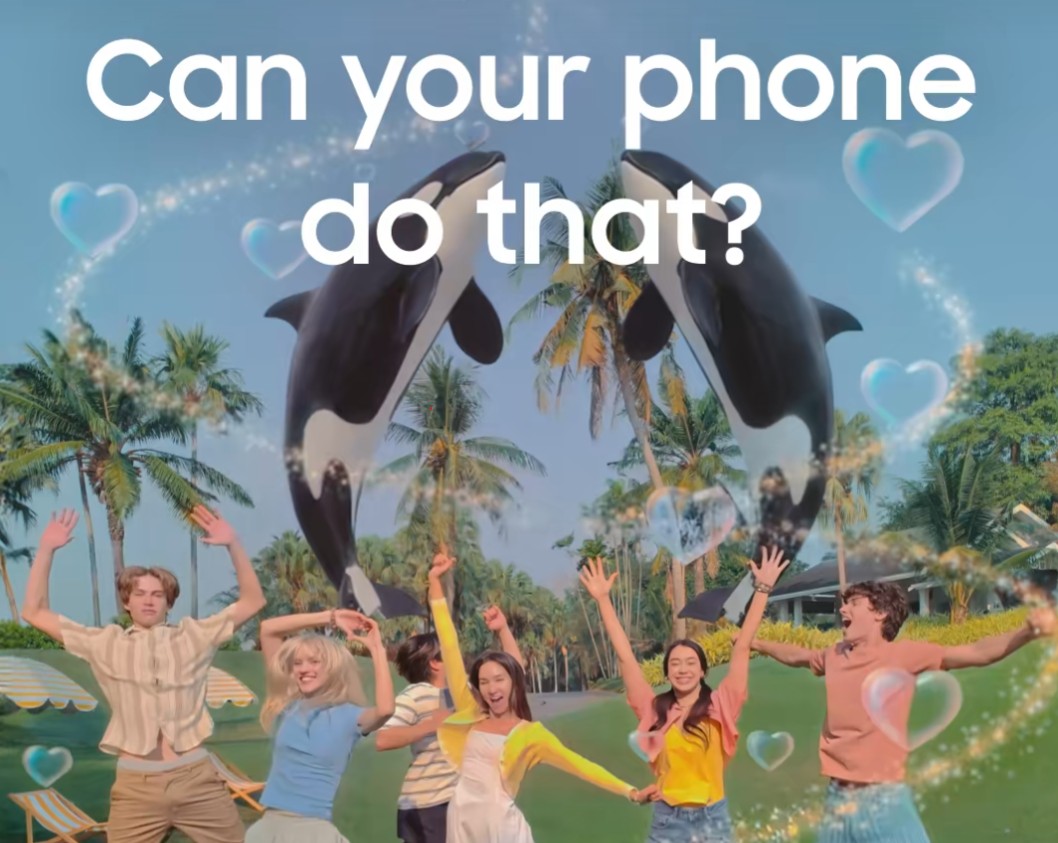
Many brands, including Samsung, have been using generative AI to create ads on TikTok without labeling them as AI-generated. Despite TikTok’s ad policies requiring such disclosures, these labels rarely appear, leaving viewers like me unsure if content is produced by AI. This lack of transparency is frustrating because platforms must know when AI is involved but choose not to reveal it publicly. The subtle signs that suggest synthetic creation often go unnoticed by the average user, creating a gap between what viewers detect and what companies disclose.