Suno, an AI music creation platform, is currently facing difficulties securing licensing agreements with Universal Music Group and Sony Music Entertainment. The central dispute revolves around the distribution rights of AI-generated tracks: Universal insists that these tracks remain confined within platforms like Suno, whereas Suno advocates for broader sharing and distribution across the internet. This disagreement highlights the complex challenges at the intersection of AI innovation and traditional music rights management.

In this in-depth conversation, Todd McKinnon, co-founder and CEO of Okta, discusses how his company is navigating the challenges and opportunities presented by AI and the evolving software landscape. He expresses a healthy paranoia about the so-called SaaSpocalypse—the risk from customers building their own internal tools—and explains why Okta sees a massive opportunity in managing AI agent identities within organizations. Agents, which are hybrid identities somewhere between people and systems, require new approaches to security and integration, and Okta is pioneering a blueprint for an agent-centric enterprise with standards and kill switches to mitigate risks. Todd also reflects on evolving organizational structures and leadership tactics needed to thrive in this rapidly changing AI-driven world, emphasizing adaptability, customer trust, and collaboration across platforms. The company aims to become the backbone for secure agent orchestration as the market for AI agents expands dramatically. The interview touches on how AI agents intersect with databases, the importance of digital identity, challenges around AI-powered fraud, and the vital role of regulation and industry standards in shaping the future of software and cybersecurity.

Bluesky has introduced Attie, an AI-powered assistant designed to let users create personalized content feeds by tailoring their own algorithms. Revealed at the Atmosphere conference by Bluesky’s former CEO Jay Graber and CTO Paul Frazee, Attie operates using Anthropics’ Claude AI and Bluesky’s AT Protocol. Users can customize feeds with natural language requests like "posts about folklore, mythology, and traditional music, especially Celtic traditions." Initially, these tailored feeds will be available in the standalone Attie app, with plans to integrate them into Bluesky and other atprotocol-based apps in the future.
In a surprising turn on Tuesday, OpenAI announced the discontinuation of its video-generation app, Sora, and abandoned plans to integrate video features within ChatGPT. Alongside this, the company halted a $1 billion collaboration with Disney, reassigned a key executive, and secured an impressive $10 billion in fresh investments, pushing the total funding round beyond $120 billion. This string of major decisions underscores OpenAI's urgent pivot towards financial sustainability, as Sora’s extensive computing demands failed to yield proportional revenue.

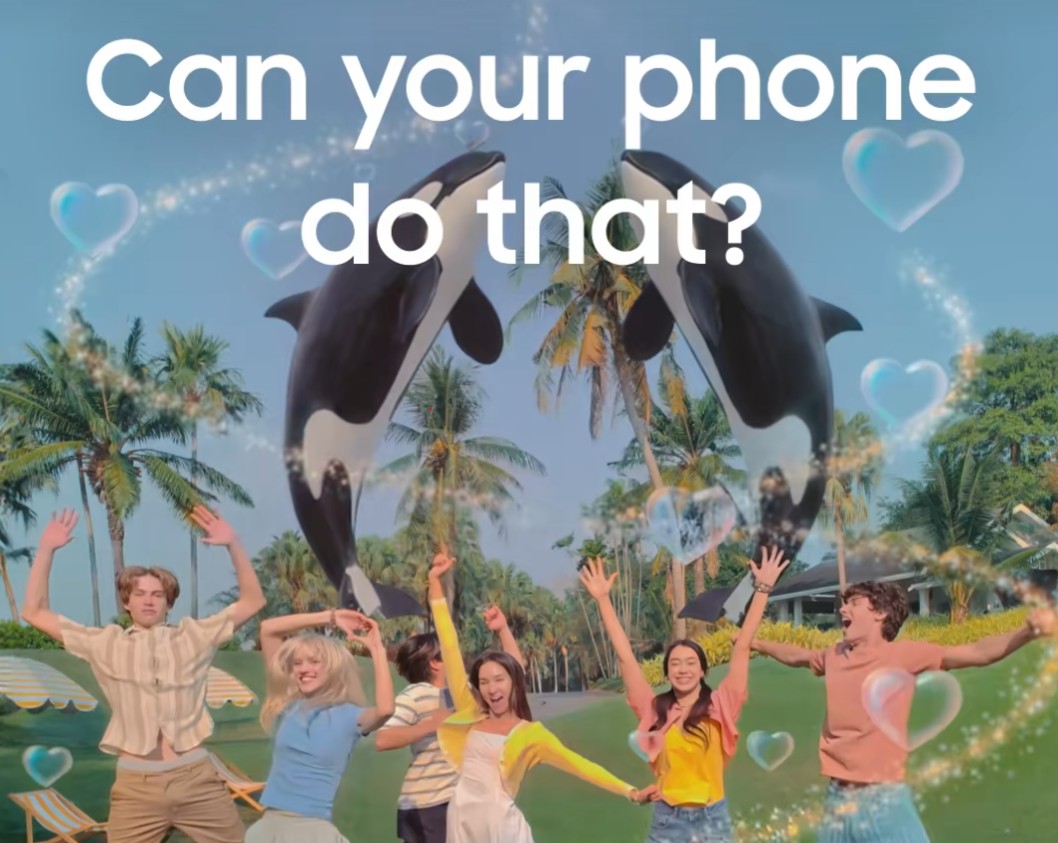
Many brands, including Samsung, have been using generative AI to create ads on TikTok without labeling them as AI-generated. Despite TikTok’s ad policies requiring such disclosures, these labels rarely appear, leaving viewers like me unsure if content is produced by AI. This lack of transparency is frustrating because platforms must know when AI is involved but choose not to reveal it publicly. The subtle signs that suggest synthetic creation often go unnoticed by the average user, creating a gap between what viewers detect and what companies disclose.
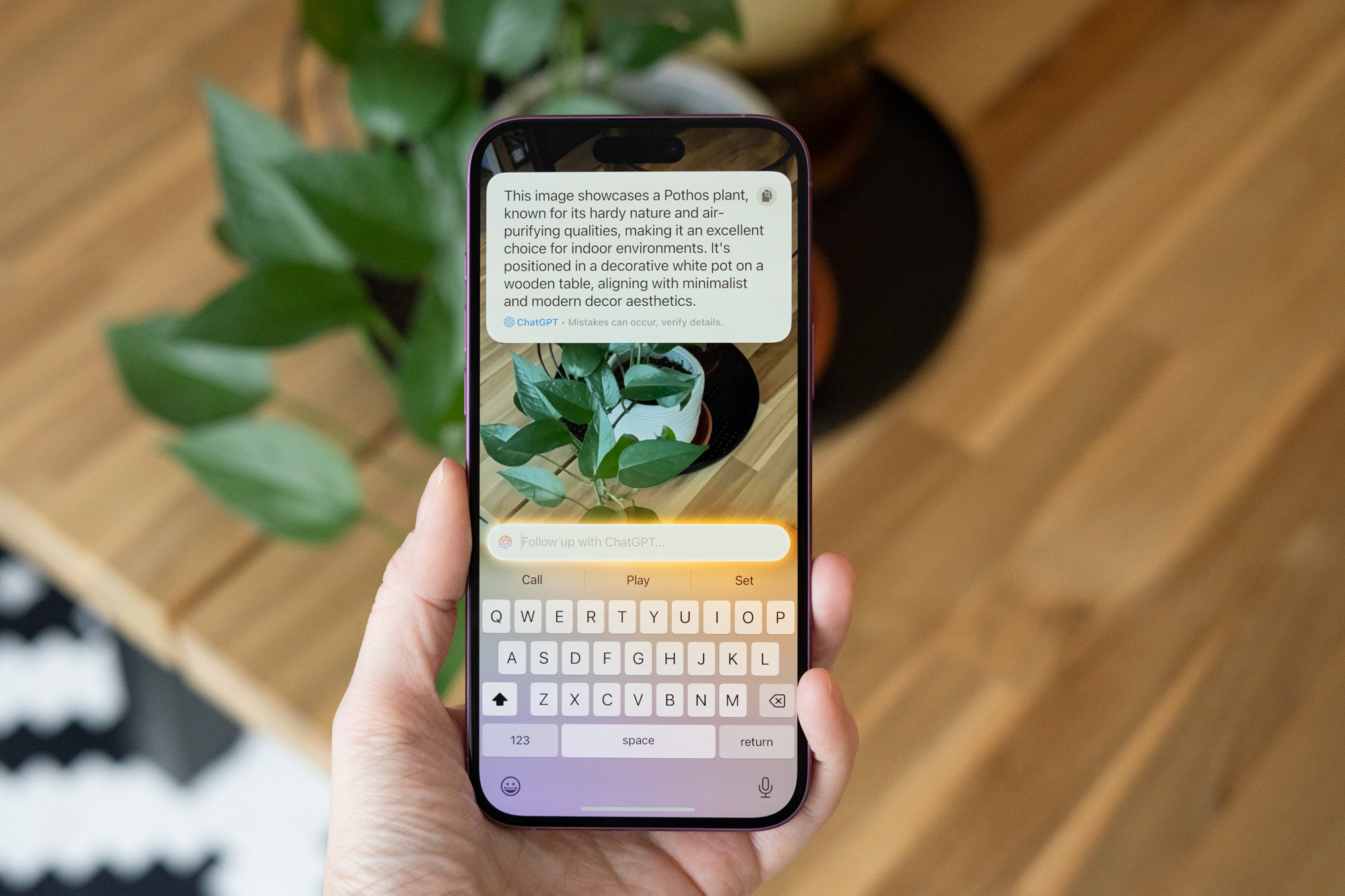
Apple's upcoming iOS 27 update will enable users to link various AI chatbots with Siri, beyond the current integration with OpenAI's ChatGPT. According to Bloomberg's Mark Gurman, third-party chatbots such as Google's Gemini and Anthropic's Claude can be selected by users to provide responses through Siri. This feature, reportedly named "Extensions," will let users toggle which chatbots are connected on their iPhone, iPad, and Mac devices. This expansion of Siri’s capabilities may also extend to a standalone app Apple is developing, enhancing the voice assistant’s flexibility.
Just days into his role as Disney's CEO, Josh D'Amaro is confronted with significant challenges. OpenAI is closing its Sora image-generation program shortly after Disney's $1 billion collaboration announcement to integrate this tech with Disney Plus. Simultaneously, Epic Games is laying off 1,000 employees, raising concerns about the future of its $1.5 billion metaverse project with Disney. Despite these hurdles, there remains potential for generative AI to become part of Disney's streaming ecosystem.

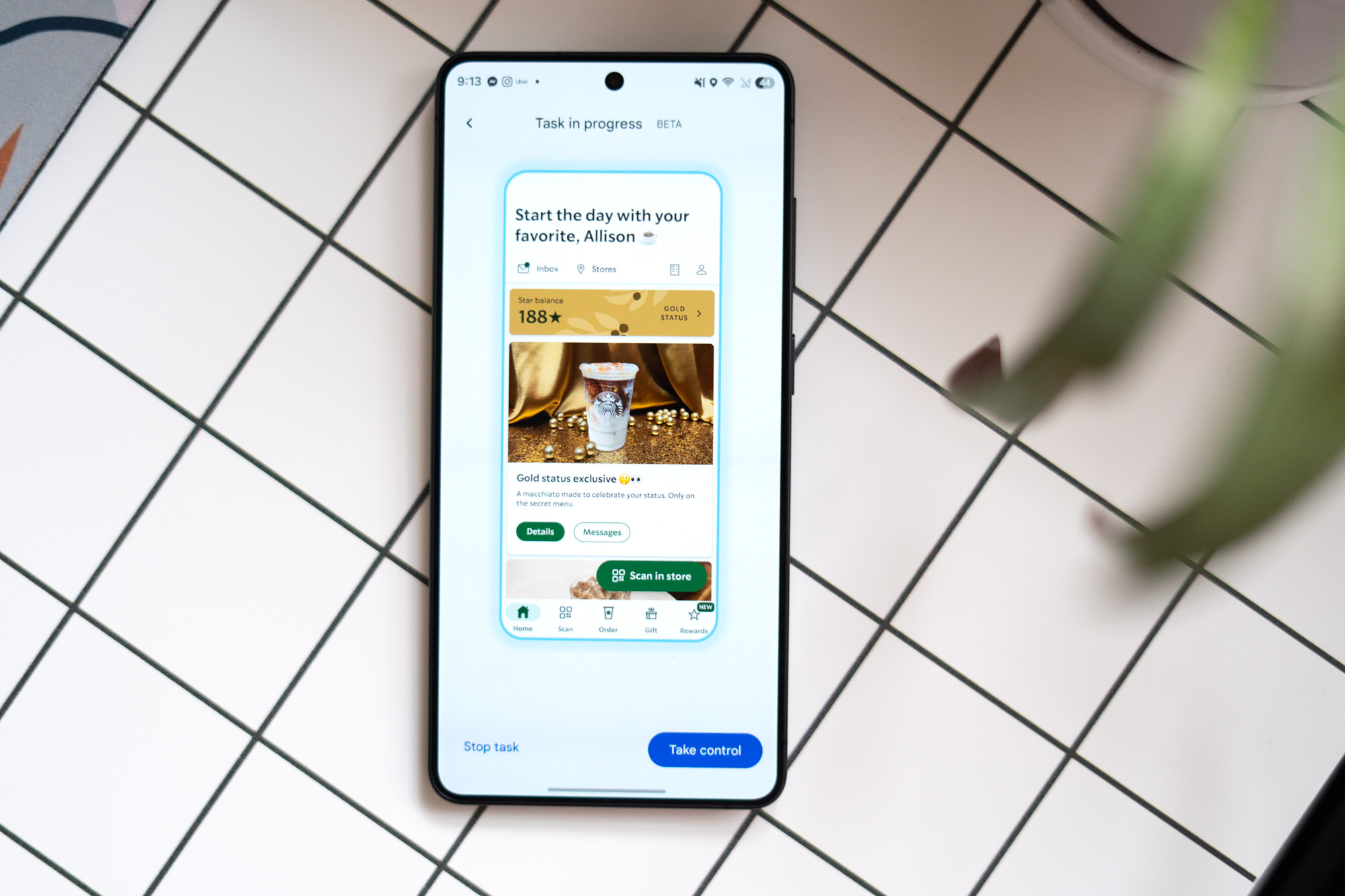
I've been testing Gemini's new task automation feature on the Pixel 10 Pro and Galaxy S26 Ultra. This update allows Gemini to actively use apps on your behalf, especially food delivery and rideshare services. Currently in beta, the feature is somewhat slow and occasionally clunky, and it doesn't address major pain points you might have with your phone. However, its capabilities are impressive and provide a real glimpse into the future of AI assistance on mobile devices. This is the first time I've witnessed an AI assistant genuinely managing tasks on a phone outside of demos and presentations.
Last week, a Meta engineer's use of an internal AI tool led to a security mishap lasting nearly two hours, during which unauthorized access to Meta's systems and user information occurred. The AI, designed for technical support within Meta’s secure development setting, mistakenly shared sensitive data publicly in response to an internal query. A Meta spokesperson assured that no user data was improperly handled during the event. Further details are available at The Verge.
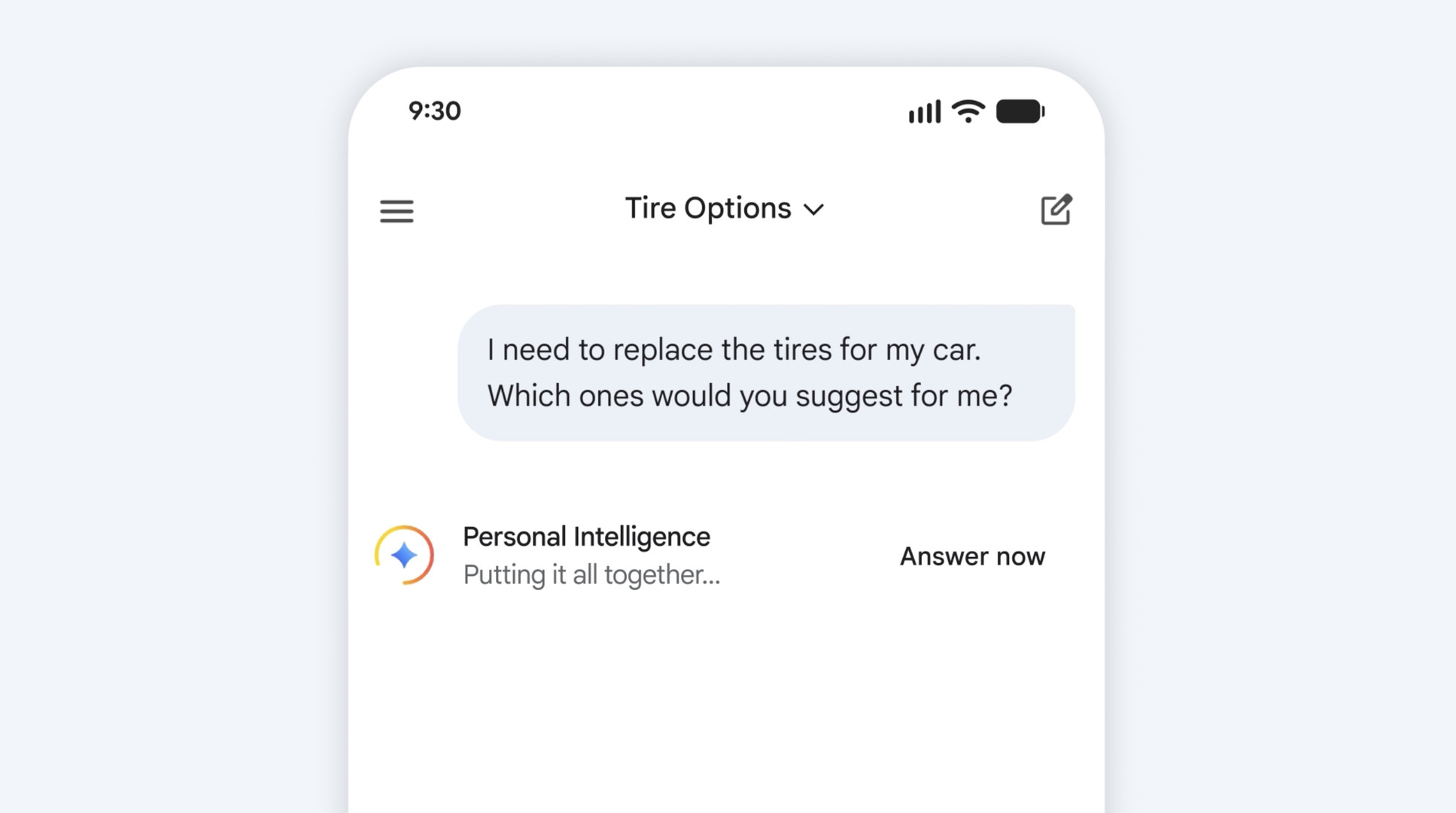
Google has rolled out its Personal Intelligence feature, integrated with Gemini AI, to all users in the US. Previously exclusive to Google AI Pro and AI Ultra subscribers, this feature enables users to link various Google apps, such as YouTube, Google Photos, and Gmail, providing richer, contextual responses and suggestions. Now, free-tier users with personal Google accounts can enjoy these AI enhancements through AI Mode in Search, Gemini in Chrome, and the Gemini app. Note that this capability is not yet extended to business, enterprise, or education accounts.