Launching a bank in the U.S. means meeting complex compliance and legal standards, but Nubank’s cofounder told Fast Company that building the brand was the most difficult part. The digital bank, now operating as Nu, sees no playbook for brand building in a new market, even as it handles product and support launches.
Nubank’s rapid growth in Latin America relied on a distinctive visual brand, but as it expands internationally, its brand attributes risk blending into the category. For CMOs and digital heads, the story shows that brand differentiation remains a moving target, especially when entering mature, regulated markets.

Equifax has agreed to pay $100 million to settle a class action lawsuit alleging it miscalculated credit scores for around 4 million Americans, according to Fast Company. The suit claimed a coding error led to inaccurate credit report information over a three-week period in 2022, affecting those who applied for mortgages, auto loans, or credit cards.
The settlement comes with no admission of fault from Equifax, which denied violating the Fair Credit Reporting Act. The company and plaintiffs agreed to settle to avoid the uncertainty and cost of further litigation. For banks and insurers, the case draws attention to the risks of data errors in credit reporting and the potential for regulatory or legal action.

A White House-backed plan to relax FDA oversight on certain peptide drugs was opposed by most FDA scientific staff, who had little input in drafting the policy, according to Fast Company. The proposal, driven by Health Secretary Robert F. Kennedy Jr., would allow specialty pharmacies to sell some injectable peptides without the usual FDA review. The policy recently underwent regulatory review at the White House, which is typically the last step before publication.
This internal resistance signals regulatory uncertainty for pharma and healthcare leaders, as FDA staff warned the move could undermine the agency’s mission to keep unproven drugs off the market. Senior executives should monitor how these divisions affect enforcement and compliance expectations.
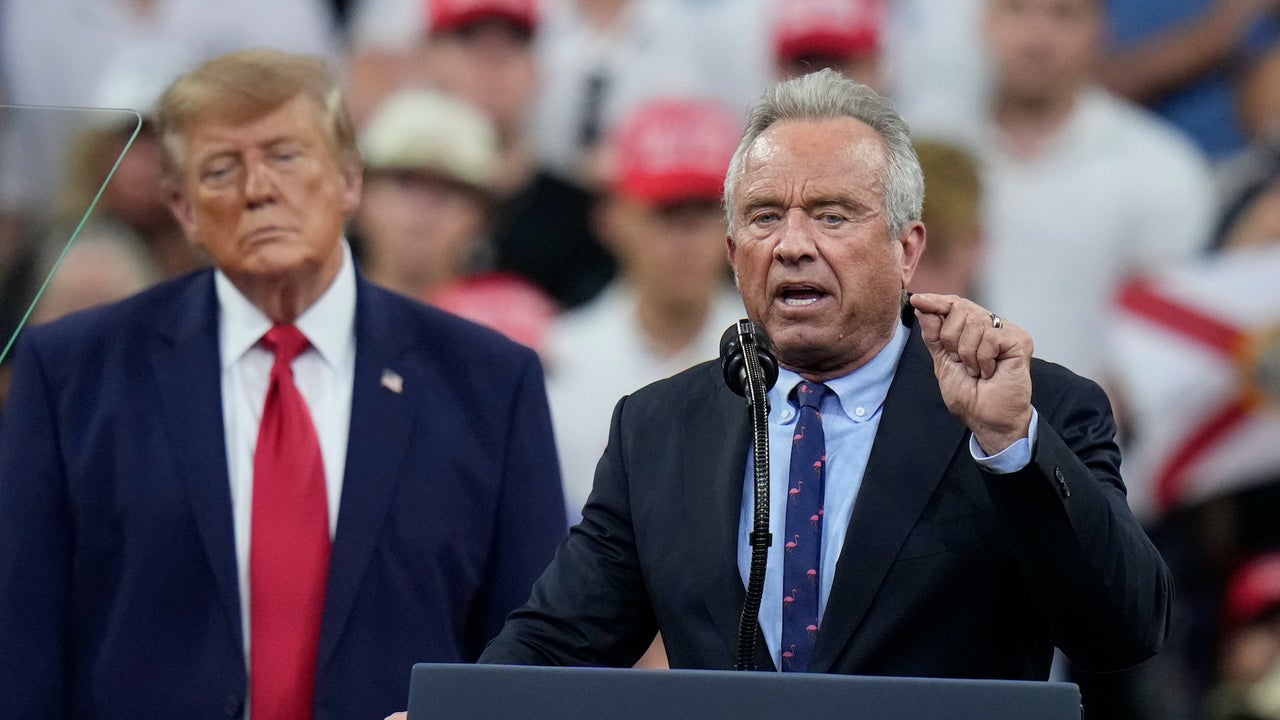
A US Congressional report found that the US government is not doing enough to address the rise in cyberscams, with fragmented and voluntary partnerships with the private sector. The investigation, led by the Joint Economic Committee, said there is no unified record of funds seized from overseas scam operations or how much has been returned to victims, according to Fast Company.
The report calls for more collaboration across agencies, better support for victims, and deeper private sector involvement, noting that transnational criminal groups use US technology, including AI, to target Americans. This situation poses risks for regulated firms, as gaps in enforcement and restitution may expose organisations to financial and reputational harm. Reviewing cyber risk controls and incident response plans is recommended.
Fast Company reports that Anthropic has officially announced plans for an IPO, with its SEC prospectus now public. The San Francisco-based AI company, known for its Claude model and Claude Code tool, filed confidentially in June and has now shared details on its financials, IPO plans, and risk commentary.
This filing gives regulated sectors a first look at Anthropic’s internal numbers and risk disclosures. For banks, insurers and healthcare leaders, the information could influence AI procurement decisions and compliance strategies as scrutiny of AI providers grows.

Barclays is cutting 5% of its workforce, or 5,000 jobs, citing efficiency gains from artificial intelligence, according to Fast Company. The bank says 1,000 positions have already been eliminated, with another 4,000 to follow by year-end. Many of the affected roles are in development and support functions.
This signals a shift in skills demand for major banks and insurers, with AI changing the structure of roles and required expertise. Senior executives should review workforce planning and consider how to upskill or redeploy staff as automation expands in regulated sectors.
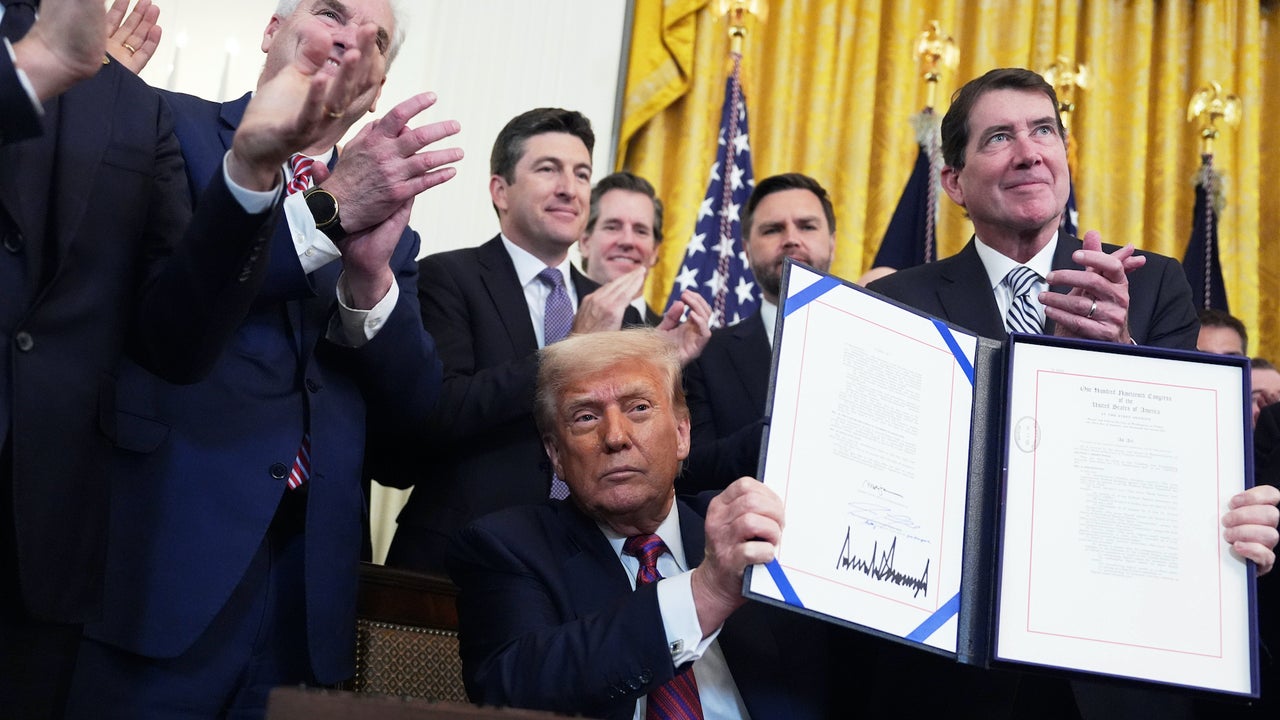
Federal regulators in the US have confirmed that cryptocurrency exchanges may continue to pay interest-like rewards to customers, according to Fast Company. The new rules, part of the GENIUS Act and published by the Office of the Comptroller of the Currency, clarify that while stablecoin issuers such as Circle cannot pay interest directly to holders, exchanges like Coinbase and Robinhood can pass on earnings from stablecoins to their customers.
This decision follows warnings from banks that these programmes could drain large sums from traditional deposits. For regulated financial institutions and payment firms, the update signals a shift in how customer incentives are managed in the crypto sector and may influence future deposit trends. Executives should watch for additional regulatory guidance as the market adapts.
Salesforce announced plans to acquire Braze, an AI marketing firm, for about $5.66 billion, offering $47.50 per share in cash to Braze Class A common stockholders, according to Fast Company. Braze’s AI-powered multichannel marketing tools will be integrated into Salesforce’s core products, which the company says will enhance its enterprise solutions amid concerns over the future of traditional SaaS models.
For senior marketing and digital leaders, this signals a push towards more advanced, real-time AI engagement tools in regulated sectors. The integration could affect how brands design and automate customer interactions, raising questions about data use and compliance as AI takes a larger role in marketing.
Anthropic has announced it will allocate 5% of its shares to create the Anthropic Public Benefit Fund, an LLC meant to support the public good. This fund will initially hold 5% of the company's shares, with potential for more based on value increases. The purpose is to address issues like labor market disruptions caused by AI, with previous commitments including $200 million dedicated to studying these impacts. However, the public reaction has been skeptical, with concerns about the vague definition of "public good," potential misuse as a tax write-off, and criticism of the fund’s actual impact. Social media responses highlight doubts over Anthropic’s motives, contrasting sharply with the company's more favorable reputation earlier this year after opposing military surveillance uses of its AI. While CEO Dario Amodei advocates for cautious AI development, critics see the move as a way to soften the company’s image amid growing fears of AI's societal effects.

From 2023 to 2025, the percentage of S&P 500 companies identifying AI as a risk surged from 12% to 83%. Yet, fewer than 3% of directors possess AI expertise, and only 23% of executives believe their boards are highly fluent in AI. As AI integrates deeply across business functions, boards face a critical knowledge and oversight gap that must be addressed. While recruiting AI experts is important, it’s not enough since AI touches all areas of business and requires distributed oversight among all directors, not just specialists. Moreover, expertise in AI doesn't guarantee effective oversight; true oversight means actively managing AI risks and accountability.
Boards must focus on key AI oversight areas such as governance accountability, data transparency, explanation and disclosure, fairness, risk management, human judgment, and autonomy controls. Good oversight means measuring what directors actually do, not just what they know, ensuring every director meets a minimum competency floor across all oversight areas. Depth should be spread across the entire board with at least two directors proficient in each AI domain to avoid blind spots. Ultimately, possessing AI expertise is valuable, but it is the board’s actions in diligent AI oversight that safeguard the company’s future.
For directors wanting to assess their AI oversight capabilities, participation in ongoing research and scorecards is encouraged to benchmark and improve their effectiveness.