According to Banking Dive, California has ordered crypto ATM operator CoinFlip to pay $4.8 million to people who lost money to scams. The state also criticised federal regulators, saying they have not done enough to address fraud in the crypto sector.
This action signals growing scrutiny of crypto firms by state authorities. For senior executives in finance, the move shows that state-level enforcement can fill gaps left by federal agencies, raising compliance risks for firms operating in multiple jurisdictions.

Wells Fargo’s corporate and investment banking CEO Fernando Rivas told Banking Dive that incoming Democratic majorities are creating urgency among dealmakers, describing a ‘now or never’ attitude for mergers and acquisitions. Rivas also commented on the bank’s approach to financing AI infrastructure.
This view suggests senior executives in regulated sectors could face a wave of accelerated M&A activity as market players respond to possible policy changes. The bank’s focus on AI infrastructure financing may also signal where capital is flowing in the current environment.

The chief executive of Personetics told Banking Dive that the human channel is the biggest moat or differentiator banks have compared to large language models and AI agents. The comment suggests that, even as AI tools grow more capable, banks can still set themselves apart by focusing on personal relationships and human service.
For senior leaders in banking, the message is that technology alone may not be enough to win customer trust or loyalty. Decisions about digital investment should weigh where human advice or empathy makes a difference to clients, especially in complex or sensitive situations.

TD Securities analysts said Democratic control "hurts the direction of travel in the bank space," according to a note released Wednesday, Banking Dive reports. The analysts suggest that the current political balance may make it harder for banks to see favourable legislative changes in the near term.
This matters for senior banking executives as it could limit opportunities to shape regulation and policy. Leaders should monitor the evolving political environment for any signs of compromise or new legislative proposals that could affect their operating conditions.

The FDIC changed Old Glory Bank’s status to 'adequately capitalized' last week, after previously applying a stricter label in August, according to Banking Dive. Earlier this summer, a special-purpose acquisition of the bank did not go ahead.
This update signals a regulatory reassessment following a failed transaction. Senior executives should track such changes, as shifts in regulatory status can affect funding, risk appetite and market confidence.
Bank of America and Capital One are managing costs by restricting the use of large AI models, according to executives speaking at the Evident AI Symposium. The banks are opting for smaller models to keep expenses in check while still pursuing AI-driven projects.
This approach could shape how other financial institutions balance innovation with cost management. For senior leaders, the decision signals the importance of weighing the operational benefits of advanced AI against the financial impact of deploying large-scale systems.

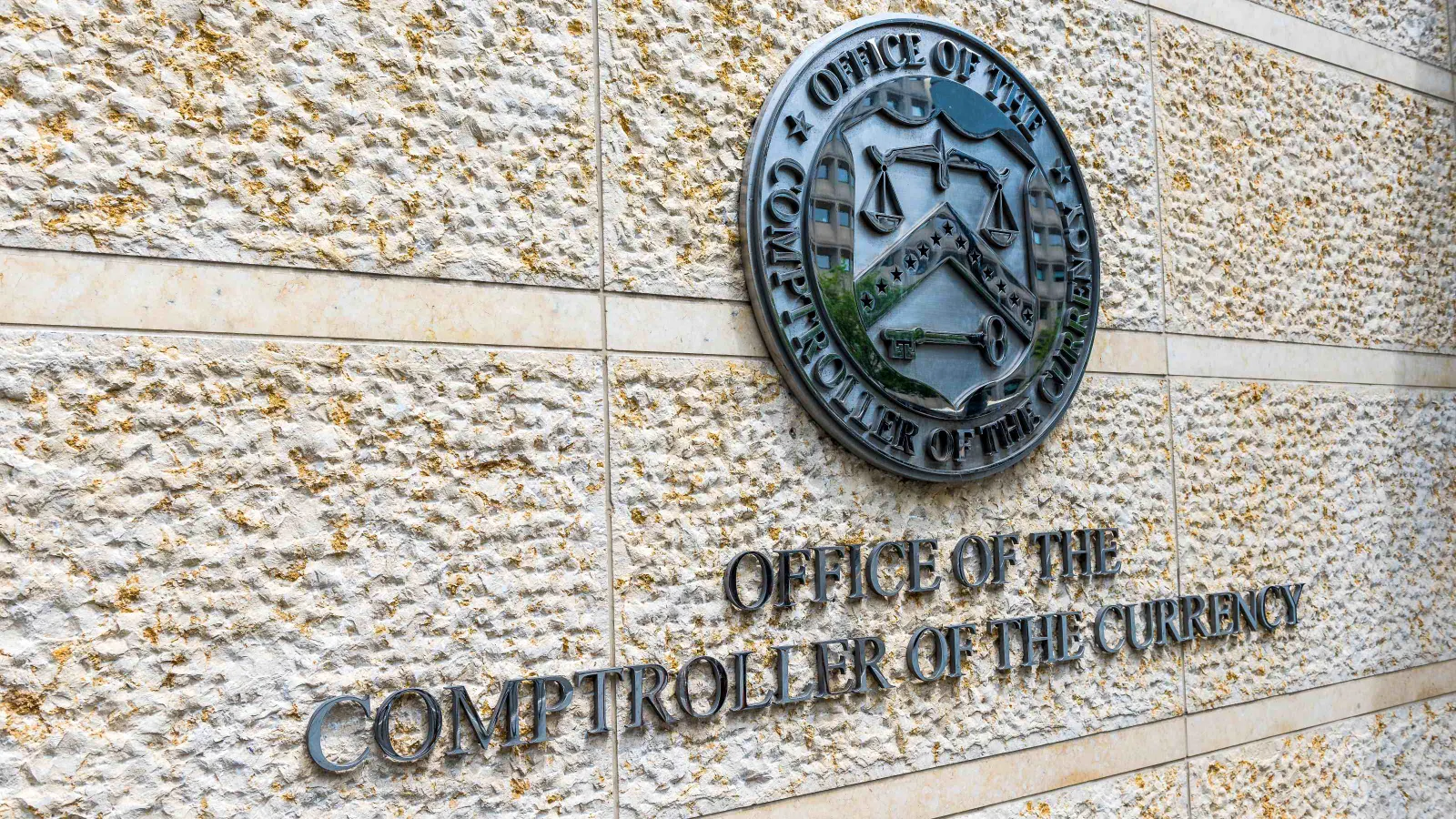
Galaxy Digital is seeking a national trust charter from the OCC, according to CEO Mike Novogratz. The move would allow the company to provide digital asset custody, trading, staking and fiduciary investment advisory services under a single federal regime.
This matters for banks and financial firms as it could set a precedent for how digital asset services are regulated at the federal level. Senior leaders should monitor OCC actions, as any approval could affect competitive positioning and regulatory expectations for digital asset operations.
UMB will acquire El Dorado Savings Bank for $506 million, according to Banking Dive. The Missouri-based lender's CEO, Mariner Kemper, said that while additional acquisitions are possible, he is not interested in deals that require giving up board seats.
This deal signals ongoing consolidation in US regional banking. For senior executives, the focus on board control may affect future M&A strategies and negotiations. Further acquisition activity could reshape competition and governance in the sector.
Valley Bank's chief operating officer said that while bank mergers have a well-known process, the Bluevine acquisition brings unique aspects that differ from standard deals, according to Banking Dive. The executive described the integration as having features not usually seen in bank M&A.
This matters for senior leaders in regulated finance because non-traditional deals may require new approaches to integration and risk management. Firms considering similar transactions should watch for updates on how Valley Bank manages these differences.
PNC CEO Bill Demchak told Banking Dive that the bank is moving its focus from mergers and acquisitions to artificial intelligence, with plans to spend hundreds of millions to achieve savings in the billions. Demchak said this AI push will take priority for the next few years.
This signals a shift in how large US banks are allocating capital between traditional dealmaking and technology upgrades. For senior executives, the move suggests a change in competitive strategies and cost structures in banking. It may also affect the pace and scale of future M&A activity.