
Insurers are increasing scrutiny of crypto companies’ security after last week’s $6.3 billion theft from Binance, industry insiders told Insurance Journal. Underwriters are expected to ask detailed questions about clients’ exposure to Binance and whether similar vulnerabilities exist, especially as firms seek new or renewed coverage. The FBI has attributed the theft to a North Korea-linked group.
Experts say the attack shows the limits of insurance available for the $2.5 trillion crypto sector. No policy could cover a loss of this size, and many exclude state-backed cyberattacks. Policies typically run for a year, giving insurers a chance to reassess risk and impose new requirements at renewal. Marsh’s Jacqueline Quintal said she does not expect major changes in capacity or pricing, but more probing questions are likely.
Legal experts note that if the Binance investigation reveals specific security flaws, insurers may require all clients to address similar weaknesses. The scale of the loss is prompting underwriters to review their entire crypto portfolios, with likely outcomes including tighter wordings and clearer exclusions. North Korea’s alleged involvement could further complicate claims, as many policies exclude state-backed attacks. The effectiveness of these exclusions in large, geopolitically driven losses remains untested.

Man Group Plc’s shares dropped after a London judge ruled it could owe about $155 million for its role in a bribery scheme that diverted $1 billion from Kuwait’s state pension fund. The world’s largest listed hedge fund was among dozens of defendants in a long-running lawsuit over illicit payments channelled to the fund’s former director general, Fahad al Rajaan. The judge found two former Man employees were aware of bribes paid to al Rajaan, making two Man subsidiaries liable. The company said it disagrees with the decision and is considering its options, calling the matter a legacy issue from a contract over 30 years old.
The ruling followed a year-long trial, the longest in English civil litigation in two decades. Evidence included testimony from Man’s current CEO, Robyn Grew, who supervised a compliance review later criticised by the judge for confirmation bias. The judge found former Middle East head Antoine Massad knowingly participated in the bribery, rejecting his account as unreliable. The exact amount Man Group must pay will be decided at a further hearing in November.
For banks, asset managers and insurers, the case shows the scale of financial and reputational risk from legacy contracts and compliance failures. The ruling also signals the UK courts’ willingness to hold firms accountable for historic misconduct involving sovereign clients.

Blackstone has joined with Aon to create a Lloyd’s of London syndicate named Cortina, aiming to provide capital for reinsurance contracts. The syndicate will take a 3% share of Aon-arranged contracts covering insurers’ property portfolios above catastrophe thresholds, and 5% of other eligible reinsurance deals. QBE will oversee underwriting and governance for the new vehicle.
The move is part of a broader trend of alternative asset managers entering the property-and-casualty insurance sector, attracted by returns that are less tied to wider financial markets. Blackstone’s latest syndicate follows similar activity from Allianz and Oaktree, and adds to Blackstone’s existing Lloyd’s reinsurance partnerships. According to Aon, P&C insurers and reinsurers averaged a 17% return on equity in 2025, though commercial insurance rates have recently declined.
For insurance executives, the arrival of new capital from asset managers may bring more competition and capacity to the reinsurance market, affecting pricing and risk appetite. The syndicate’s launch is subject to final Lloyd’s approval, with underwriting expected to start in January.
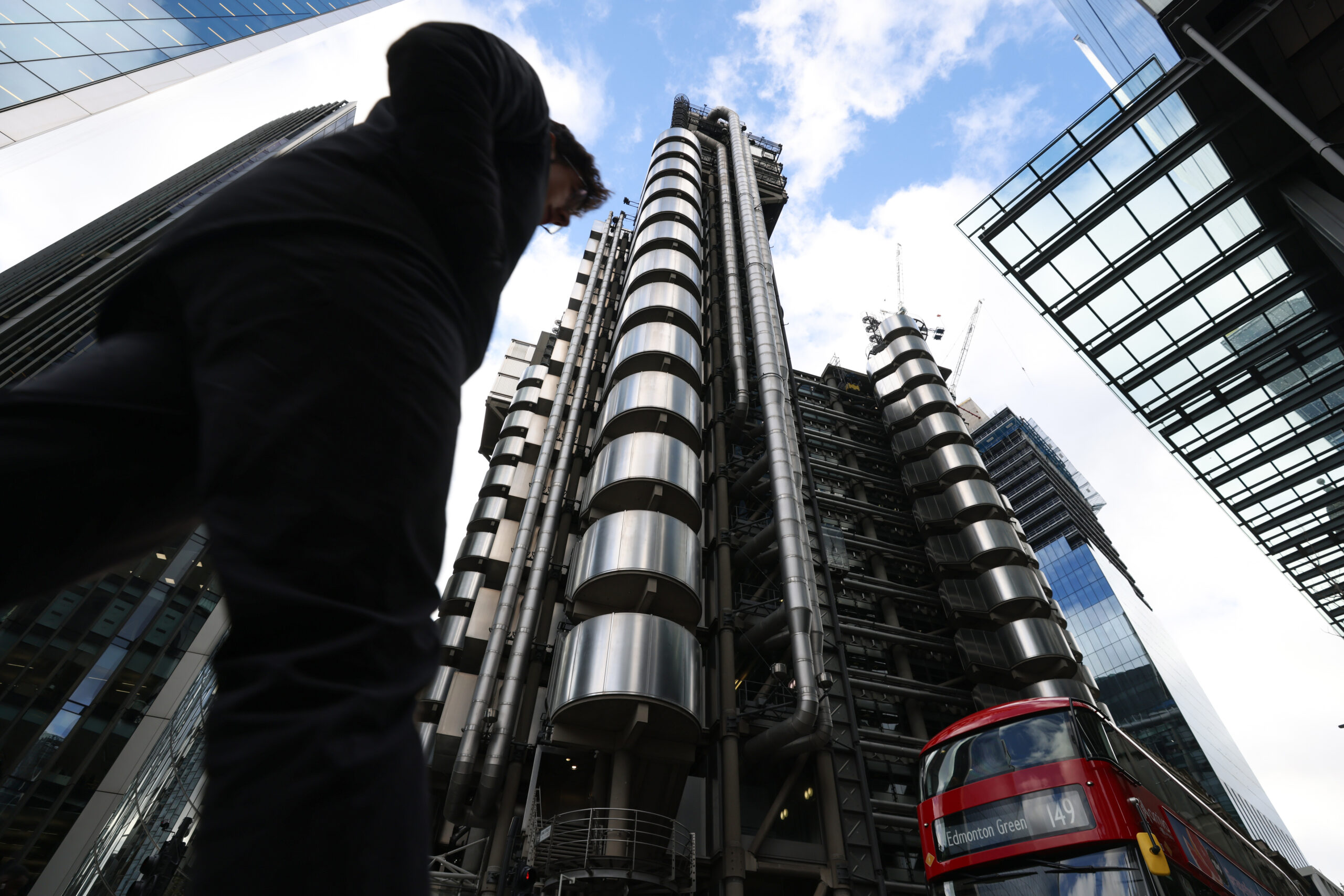
Nordea Bank Abp is confronting a potential 6.6 billion-krone ($988 million) fine as a Danish court prepares to rule on alleged failures to prevent money laundering between 2012 and 2015. Prosecutors claim Nordea ignored alarms and failed to report suspicious transactions totalling 26 billion kroner, mainly through its Copenhagen branch. The bank denies the charges, stating its controls at the time could have been better but arguing this does not amount to criminal conduct.
This is the first time a Danish court has heard a money laundering case against a bank; previous cases, such as Danske Bank’s, were settled. The National Special Crime Unit describes this as the most comprehensive indictment for Money Laundering Act violations in Denmark’s banking sector. Nordea has previously set aside €95 million for related matters, but the penalty sought is much higher, reflecting new legislation allowing fines equal to a quarter of suspicious transactions.
For compliance and risk executives, the case tests how courts will interpret past controls under current rules. The outcome could influence future enforcement and the scale of penalties for anti-money-laundering failures. The verdict is expected Monday, with significant implications for the sector’s risk management.
Tron, Tether and TRM Labs have ended the T3 Financial Crime Unit, an alliance formed to curb illicit activity in the crypto sector. The group, joined by Binance in 2025, had frozen $250 million in assets and worked with law enforcement, but was dissolved in August after coordination issues and slow response times, according to sources cited by Insurance Journal. The disbanding comes as crypto-related crime has surged, with illicit addresses receiving at least $154 billion in 2025, a 162% increase from the previous year, driven by a jump in funds to sanctioned entities.
The termination coincides with a record $6.3 billion hack at Binance and a series of breaches targeting hardware wallets. Tether has responded by blacklisting $5 billion in assets and freezing $1.5 billion after the Binance incident, but hackers linked to North Korea still managed to retain more than $3 billion. Tron and Tether say they will continue to support law enforcement and other compliance initiatives, including TRM’s Beacon Network and Tether’s FASE Foundation.
For financial institutions, the collapse of T3 raises questions about the crypto sector’s ability to self-regulate and manage systemic risk. Ongoing breaches and the scale of illicit flows may prompt regulators and partners to demand stronger controls and clearer accountability from digital asset firms.

AIG has abandoned its earlier target for net premium written growth in the low- to mid-teen percentage range, citing pressure in certain commercial insurance lines. CEO Eric Andersen told analysts that the insurer will not pursue growth at the expense of underwriting standards and risk management. He said some parts of the market, especially large property and casualty accounts, are under pressure from new entrants and excess capacity, particularly in the North American commercial segment.
AIG has grown net premiums written by 11% in the first nine months of the year, but has scaled back its American property book at surplus lines insurer Lexington. The company is now focusing on middle market and SME segments, while reducing its exposure to larger accounts facing the most competition. Losses are rising in reps and warranties and energy lines, with inflation and new capacity affecting pricing and loss costs.
Andersen pointed to data centre construction as a growth area, with AIG insuring projects related to artificial intelligence infrastructure. The company offers a broad multiline proposition for data centres, including cyber, property, and political violence cover through its Talbot subsidiary.
AIG expects growth to pick up in 2026, using its global portfolio to manage performance. Insurers and brokers may need to adjust their strategies in response to shifting market conditions and capacity.
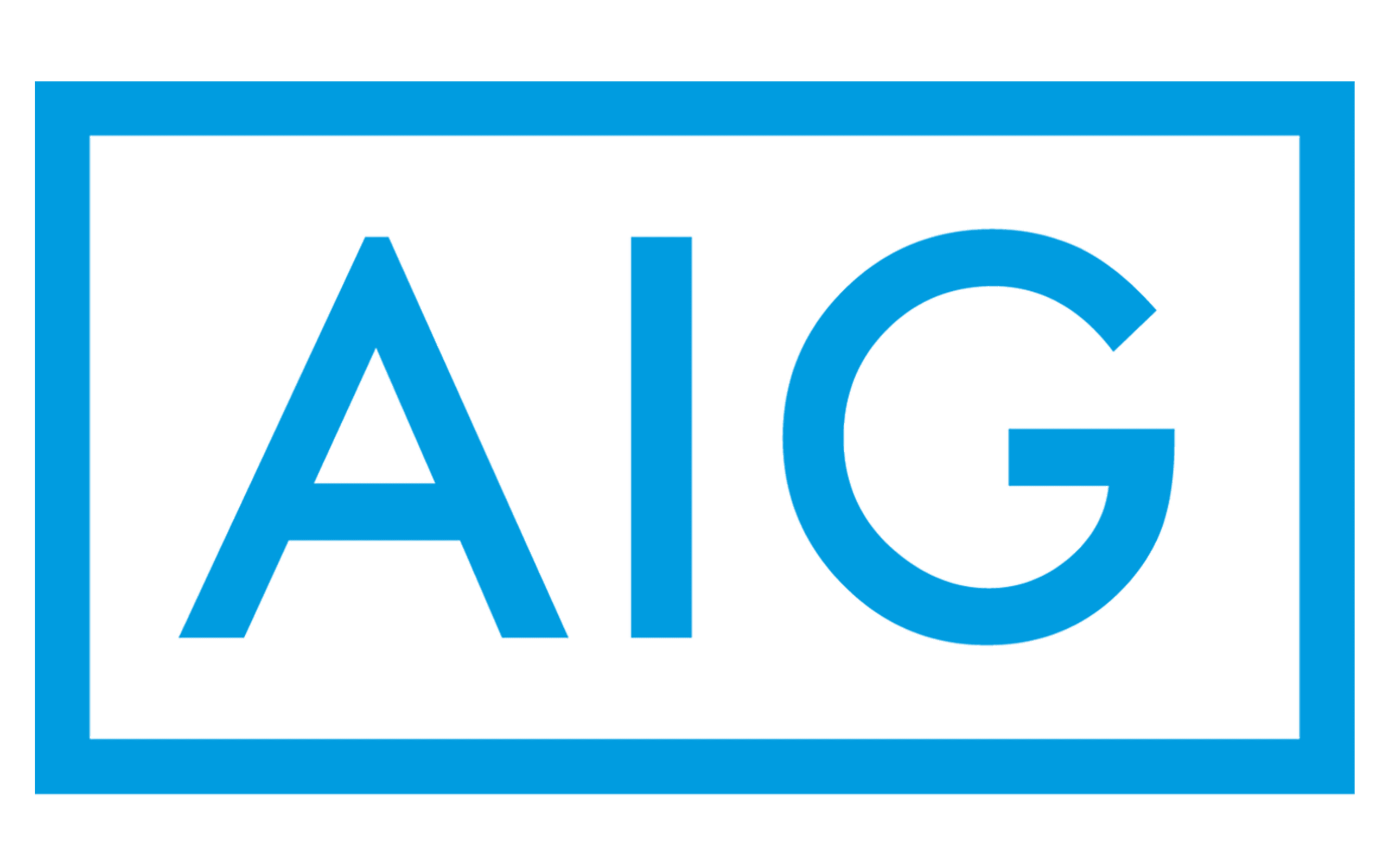
Allianz Commercial has announced plans to launch a direct underwriting syndicate at Lloyd’s, named Allianz Commercial Syndicate 1893, with trading expected to start on 1 January 2027. The syndicate will be managed by Polo Managing Agency Ltd., a unit of PoloWorks, and has already received in-principle approval from Lloyd’s, pending final regulatory sign-off.
According to Allianz Commercial, the new syndicate will increase access to specialty, facilities and selected managing general agent (MGA) business at Lloyd’s. CEO Thomas Lillelund said the move will help the insurer serve clients and brokers dealing with increasingly complex and international risks. Allianz Commercial focuses on insurance for mid-sized businesses, large enterprises and specialist risks.
The syndicate’s name refers to the year Allianz first established a London office, marking its early international expansion. Lloyd’s, known for its specialist insurance market, remains a key platform for global risk transfer.
Regulatory approval is still required before the syndicate can begin trading. The market will be watching for further details on capacity, appetite and the impact on competition at Lloyd’s.

Allstate will introduce a personal agentic assistant (PAA) for its customers in early 2027, CEO Tom Wilson told analysts. The PAA, in development for over a year, will use Allstate’s Large Language Intelligent Ecosystem (ALLIE) and is designed to support customers who prefer digital self-service over traditional agent or website interactions. Allstate’s new business is up 125% over 2019, with sales split between exclusive agents, independent agents, and direct-to-consumer channels. The PAA is intended to work with existing digital assistants, such as Muse, and will provide context on coverage needs. Wilson said the insurer is now “marketing to machines and people,” and expects the PAA to help meet demand for fewer clicks and more tailored protection advice.
Allstate has already launched a customer service agent called Ask Allstate, which handles a range of customer queries. Wilson noted that the speed of market development for PAAs is uncertain, but early adoption should increase customer value. He acknowledged ongoing work with regulators and on privacy and cybersecurity, stating that these issues will be addressed as the project progresses.

Lloyd’s of London is restructuring its oversight of the insurance market, combining governance, performance, reserving, and capital setting into a single function led by Rachel Turk. The change is part of CEO Patrick Tiernan’s plan to make the market more efficient and competitive. Caroline Sandeman-Allen, chief of market oversight, will leave next year as part of the reorganisation.
Tiernan said the consolidation is designed to simplify compliance for firms operating under multiple regulatory regimes. The changes could eliminate a "low-teen" number of roles. Lloyd’s will also introduce a global functional model for more consistent operations and has appointed Jacob Palmer as chief strategy officer. Capital modelling teams will now report to CFO Jim Bichard.
The restructuring follows the recent cancellation of the Blueprint Two digitalisation project, with Lloyd’s instead focusing on process simplification and common data standards. These steps come as commercial insurance prices fall in some lines and after Lloyd’s reported a 17% drop in pretax profit for the first half of the year.
Lloyd’s aims to increase its share of the $1 trillion commercial insurance market and attract more third-party capital, according to its five-year strategy. Market participants should monitor how these changes affect oversight and competitiveness.
3M has agreed to pay $7.35 billion over nine years to settle almost all of the 115,000 to 120,000 personal injury claims related to its use of PFAS chemicals. The settlement covers claims both inside and outside a federal court in South Carolina. The company will make a $50 million payment in 2026, with about 20% of the total due in the final two years. This payment schedule is designed to match 3M’s other legacy settlement obligations, according to the company.
PFAS, a group of chemicals used in products like stain-proof textiles and firefighting foams, have been linked by the US Environmental Protection Agency to increased cancer risks and other health issues. Plaintiffs have cited conditions such as kidney and testicular cancer, thyroid disease and ulcerative colitis. Payouts will vary based on several factors. 3M shares rose 1.7% after the news, and the stock is up 11% this year.
The company exited PFAS manufacturing at the end of 2025 and has previously agreed to pay up to $12.5 billion to US public water suppliers and made separate agreements in New Jersey. Bloomberg Intelligence estimates 3M’s total legal exposure could reach $20 billion, with up to $15 billion still at risk from unresolved environmental claims.