


Ameetess Dira, CMO of Petzey, told Brandweek 2026 that marketing should play a direct role in product, technology and finance decisions, not just communications. She said purpose alignment is essential, and she only works with leaders she trusts to take on difficult challenges for a shared goal. Dira’s approach is to focus on underserved areas, such as senior dog adoption, where brands can make a real difference rather than chasing the largest audiences.
She explained that marketing has no business staying in its own lane and that the executive team is her primary team. Dira described how, during the LA fires, she decided to offer Petzey’s telehealth services for free to those affected, despite the financial downside. She argued that some decisions should be based on what the brand stands for, not just immediate returns.
For regulated-industry leaders, Dira’s strategy suggests that CMOs who engage across business functions can influence risk, reputation and long-term value. The move away from short-term metrics in favour of purpose-driven choices could reshape how marketing is valued in boardrooms.

A German software engineer, Roman Zipp, discovered a cyberattack while buying from a Shopify-powered store, according to Adweek. During checkout, he noticed the site redirected to a domain unaffiliated with either Shopify or the merchant. Further inspection showed the redirect led to a fake checkout page, likely designed to steal personal information from customers.
The vulnerability did not originate from Shopify’s core platform, but rather from a third-party extension installed via the Shopify App Store. These extensions are commonly used by merchants to add features such as recommendation engines or upsell screens. The incident points to the security risks posed by external integrations, which can create new entry points for attackers.
For regulated businesses, the event shows the need to scrutinise third-party digital tools, especially those handling payments or customer data. Financial and insurance firms using ecommerce or digital platforms should assess the security of all external applications, not just core systems.
The incident may prompt further checks by digital and risk leaders, as well as questions about the vetting process for third-party apps in major ecommerce marketplaces.

Publicis has closed its $2.2 billion purchase of LiveRamp, a data collaboration platform, according to the company. The all-cash deal, first announced in May, is Publicis’ largest since it bought Epsilon for $4.4 billion in 2019. Publicis says the acquisition will help automate and collaborate on corporate workflows using AI agents, while letting clients retain full ownership of those systems.
The Federal Trade Commission cleared the deal just over a week before closing, imposing five years of neutrality requirements on both Publicis and LiveRamp. These requirements are intended to ensure fair access and prevent preferential treatment for Publicis clients. LiveRamp will continue to operate as an independent entity, with Scott Howe remaining as CEO.
For regulated-industry CMOs and brand leaders, the deal signals further consolidation in marketing data infrastructure. The neutrality rules may reassure clients concerned about data access and competition. The deal’s impact on agency relationships and data control will be closely watched.

Condé Nast is forecasting a fourth-quarter advertising revenue shortfall of more than $35 million, according to Adweek, citing internal documents and sources familiar with the business. The publisher, known for titles like Vogue and The New Yorker, is also dealing with a wave of executive departures, including CEO Roger Lynch and several leaders in its revenue organisation.
Sources told Adweek that Condé Nast’s revenue strategy has been undermined by turnover in its sales leadership and by targets set to accommodate senior editorial figures. The company’s flagship event, Vogue World, is expected to generate less than $20 million this year, well below last year’s nearly $30 million, though a company spokesperson said the Milan edition brought in $26 million. Staff reductions have already taken place in recent years to offset missed budgets.
Industry observers say the lack of a clear commercial strategy is compounding Condé Nast’s challenges. Some insiders described a demoralised leadership team and unclear direction, raising questions about the company’s ability to stabilise its revenue base. For senior brand and marketing leaders, the situation at Condé Nast offers a warning on the risks of leadership churn and over-optimistic targets.

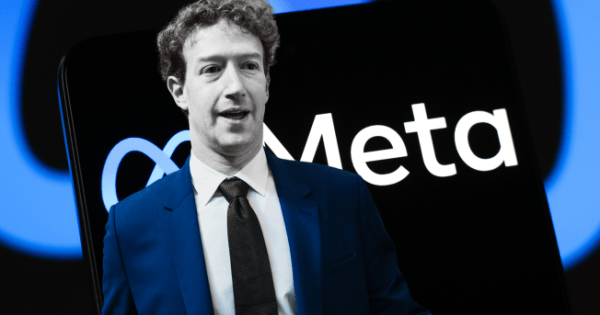
Meta has updated its advertising terms to state that, from 30 October, advertisers are solely responsible for any AI-generated outputs in their ads. According to Adweek, buyers report that Meta’s AI tools have already altered ads without explicit consent, with some brands discovering automated illustrations or revisions added to their campaigns. Bookshop.org, for example, said Meta’s AI changed its ad imagery without notice, prompting the company to disable all AI ad features.
The new terms specify that advertisers accept all risks related to AI-generated or altered content, including the potential for inaccuracies or inappropriate material. Legal teams at agencies such as Go Fish Digital are now reviewing the terms, while some buyers are advising clients to manually opt out of AI enhancements, which can be hidden in complex menu settings. Meta describes the update as a consolidation of existing terms, but did not address concerns about the AI features directly.
For regulated industries, this shift places the onus on brands to ensure compliance and protect reputation, as consumers are unlikely to distinguish between brand actions and Meta’s automated changes. Firms may need to review approval processes and increase oversight of digital campaigns to avoid unauthorised or misleading content.
Paulie Dery, CMO at AG1, and Victoria Lozano, CMO at Crayola, discussed at Brandweek 2026 how brands can move beyond product benefits to build deeper consumer connections and maintain cultural relevance. The conversation addressed ways to protect premium positioning against cheaper alternatives by offering consumers meaningful values and beliefs.
Both CMOs outlined the importance of building authentic communities and embedding products into daily routines, shifting the competitive focus from price to lifestyle and attention. They also talked about balancing immediate revenue targets with sustained brand investment, and aligning these with executive priorities.
The discussion included approaches to using AI that support consumer creativity and trust, rather than eroding it. AG1’s challenger approach and Crayola’s creative legacy served as case studies for turning brand purpose into daily habits and sustainable growth.
For marketing and brand leaders, the session provided practical lessons on defending brand value and fostering loyalty in sectors facing price competition and shifting consumer expectations.

Meta reported Q3 revenue of $64.6 billion, a 26% rise year over year, with a 10% increase in ad impressions and a 14% rise in global average ad price. The company invested $34.9 billion in capital expenditures, focusing on servers, data centres and network infrastructure to support its AI-driven advertising business.
However, Meta recognised a $9.9 billion pre-tax charge related to the August 2026 Multi-State Attorneys General Agreement, which addresses lawsuits over the platform's handling of youth mental health. This expense cut Q3 GAAP operating income by 37% to $13 billion, reducing the operating margin to 20%. CFO Susan Li said that without the legal settlement, operating income would have grown 11% year over year.
For regulated-industry marketers, Meta's results show the commercial gains possible from AI-powered ad delivery, but also the scale of legal and reputational risk from regulatory action. The size of the legal charge signals ongoing scrutiny of digital platforms by US authorities.
Executives should watch for further regulatory developments and assess their own risk exposure in digital campaigns, especially those targeting youth.

In the first half of 2026, Dutch tech firms raised close to €1.9 billion, with the majority of capital flowing into the sector’s largest deals. Notably, the three biggest funding rounds represented around 44% of the total investment, underscoring a trend towards concentrated financing among top players.

France continued to stand out as a premier destination for tech investment in Europe during the first half of 2026. Funding was predominantly directed towards sectors such as artificial intelligence, space exploration, fintech, and healthcare. Key deals, including significant contributions to companies like Eutelsat, played a crucial role in this robust investment landscape.

SoftBank has committed $200 million to Swiss robotics startup Gravis Robotics in a landmark Series A funding round. This significant investment marks one of the largest in the robotics sector, highlighting SoftBank's confidence in Gravis Robotics' technological potential and growth prospects. The infusion of capital aims to accelerate Gravis Robotics' development and market expansion, reinforcing its position as a key player in the Swiss robotics industry.
