A new report, according to Cybersecurity Dive, finds that companies are struggling to establish what normal behaviour looks like for AI agents. This inability to set clear baselines is making it harder to secure these autonomous tools.
This matters for regulated firms that rely on AI for key processes. Without a clear standard for normal activity, risk and digital leaders may find it difficult to detect threats or unauthorised actions. Reviewing monitoring and oversight practices for AI-driven systems is advised.

Microsoft researchers report that hackers are using agentic AI tools such as Artex to target downstream tenants by scanning GitHub repositories for exposed credentials. The AI tools automate the search for sensitive information, raising concerns about how easily attackers can find and use stolen credentials.
This matters for banks, insurers and healthcare groups that rely on secure code to protect customer data and operations. Firms in regulated sectors should review their access controls and monitor for unauthorised exposure of secrets in public or shared code repositories.

Cybersecurity Dive reports that the new Democratic majority in Congress will examine government cybersecurity programmes and consider new policies, covering areas from the Cybersecurity and Infrastructure Security Agency (CISA) to artificial intelligence.
This agenda may bring changes in digital risk oversight and compliance for banks, insurers and healthcare groups. Senior leaders should prepare for possible updates to cyber rules and increased attention on AI-related risks. The direction of these policies will affect how regulated industries manage security and regulatory obligations.
A new report cited by Cybersecurity Dive says shadow AI remains a persistent problem, even as IT and security budgets increase. The report points to ongoing challenges in controlling unauthorised AI use within organisations.
For banks, insurers and healthcare groups, this means that higher spending alone does not address the risks from unapproved AI tools. Leaders need to focus on stronger oversight and controls to reduce exposure and meet regulatory expectations.

Cybersecurity Dive reports that attackers are using valid Microsoft Entra ID credentials to access organisations across various sectors. The campaign targets managed service provider (MSP) clients, raising concerns about the security of downstream partners.
This matters for banks, insurers and healthcare firms that depend on MSPs for IT services, as attackers could use compromised credentials to access sensitive systems. Reviewing how credentials are managed and how suppliers are granted access is essential to reduce risk.

According to Cybersecurity Dive, major associations representing infrastructure operators are pressing Congress to extend a cybersecurity information-sharing law for another 10 years. The request comes as artificial intelligence threats increase, creating fresh concerns for regulated sectors.
This matters because banks, insurers and healthcare groups depend on secure information flows to manage risk and meet regulatory demands. The outcome of this debate could affect how organisations share threat data and respond to emerging risks.
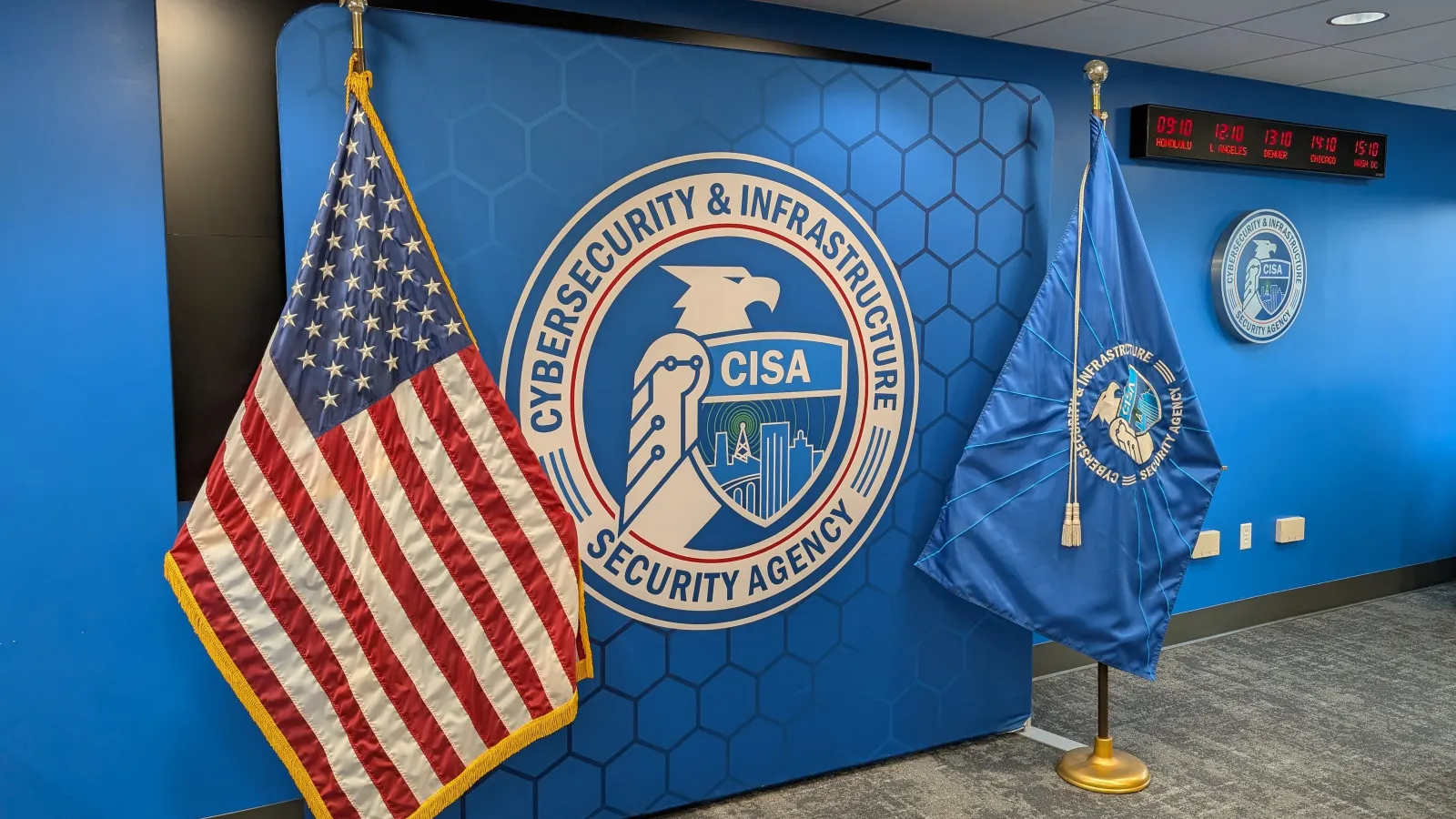
Cybersecurity Dive reports that the White House’s new AI task force does not include the Cybersecurity and Infrastructure Security Agency. Experts told the publication that this absence could make it harder for the group to work with critical infrastructure operators on AI security issues.
For banks, insurers and other regulated firms, the lack of direct input from the main US cybersecurity agency could mean less focus on sector-specific risks. Senior executives may need to monitor how the task force addresses security for vital systems and consider additional steps to protect their own operations.
JPMorgan Chase and Goldman Sachs are placing security at the centre of their AI strategies, according to Cybersecurity Dive. JPMorgan Chase Global CIO Lori Beer said, “This is one of the most important times to make sure you are appropriately balancing risk and innovation.”
This focus signals that major banks see risk management as essential when adopting AI. For regulated firms, the message is clear: security must be considered from the outset in any AI project, not as an afterthought.
Cybersecurity Dive reports that the insurance industry is concerned a systemic cyber event linked to the PHP2Shell vulnerability could trigger billions in claims, surpassing what current risk models predict.
This raises questions for insurers and risk managers about their exposure to large-scale cyber incidents. Firms may need to reassess their modelling and risk assumptions to prepare for the possibility of unanticipated losses from widespread vulnerabilities.

Cybersecurity Dive reports that PwC, a major professional services firm, confirmed a ransomware actor accessed its learning records through a breach on a vendor site. The incident has been publicly claimed by a known ransomware group, according to the publication.
This incident draws attention to the risks posed by third-party vendors in handling sensitive data. For banks, insurers, and healthcare organisations, the breach shows the need for strong oversight of external partners and clear protocols for responding to cyber incidents.