Engadget, the well-known technology news site, has been sold by Yahoo to Static Media. The deal, agreed upon in early February and expected to finalize by March, was communicated to Engadget staff weeks ago. Yahoo's chief communications officer, Sona Iliffe-Moon, explains this change as part of Yahoo's strategy to concentrate on its core brands, while Static Media aims to grow editorial media businesses. Details of the transaction remain undisclosed.
Anthropic has rolled out significant upgrades to its Claude Cowork platform, enabling the AI to assist with a broader array of routine office tasks. Now, Claude Cowork integrates seamlessly with widely used office software such as Google Workspace, Docusign, and WordPress. The platform also introduces new plug-ins designed to automate workflows in diverse departments like HR, design, engineering, and finance. Notably, Claude can manage complex, multi-step processes across Excel and PowerPoint, maintaining context between the two. This update follows the platform's initial launch last month, underscoring Anthropic's commitment to expanding AI's role in practical business environments.

Anthropic alleges that DeepSeek, along with two other Chinese AI startups MiniMax and Moonshot, exploited its Claude AI model to enhance their own technologies. The accusations include orchestrating large-scale operations involving approximately 24,000 fake accounts and over 16 million interactions with Claude. This method, known as 'distillation,' refers to creating less complex AI models from more advanced ones. While Anthropic recognizes distillation as a valid technique, it warns of its potential misuse for unauthorized purposes.

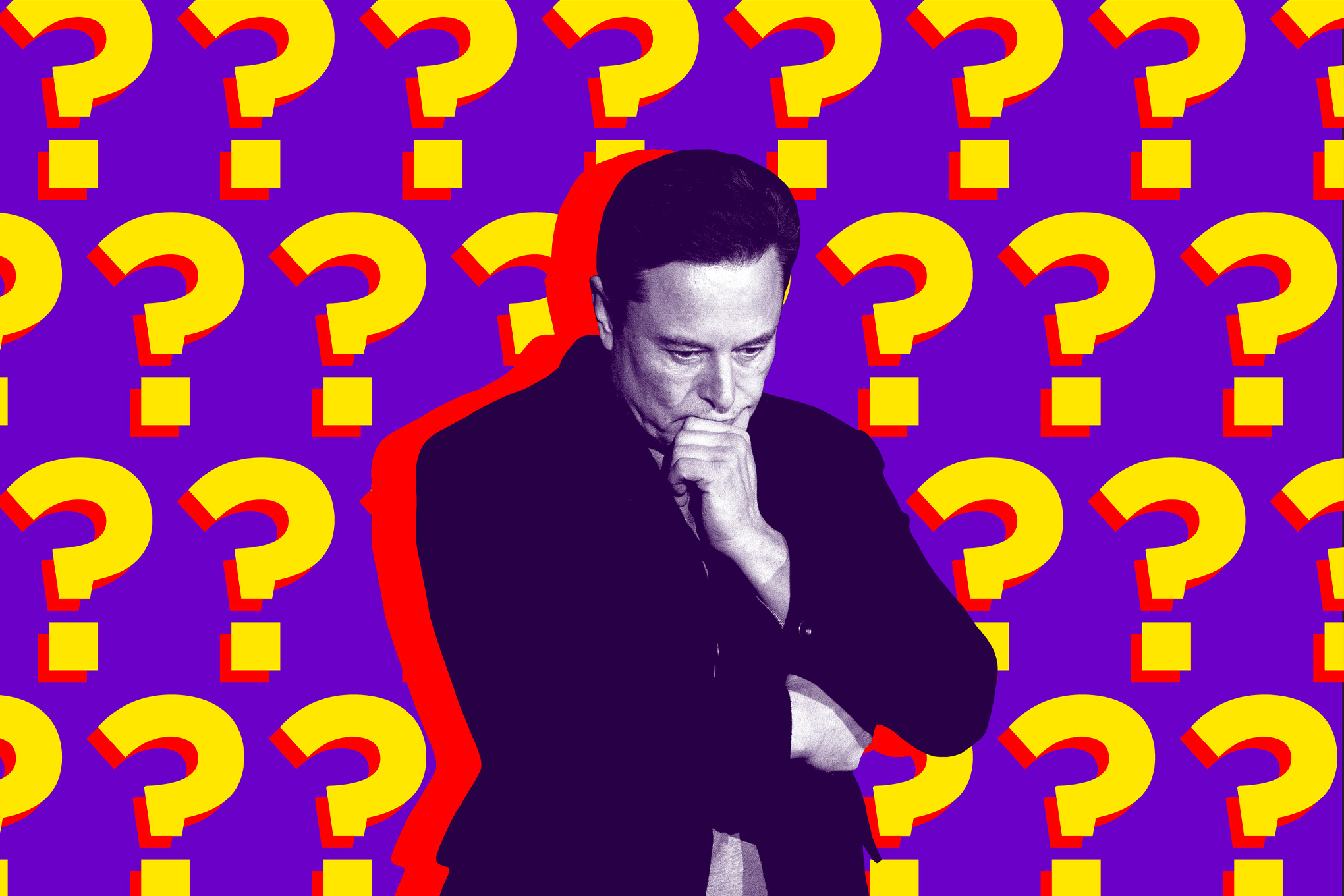
Elon Musk, once a vocal advocate for colonizing Mars, appears to have recalibrated his ambitions, turning SpaceX's attention toward establishing a city on the Moon. Musk had previously dismissed the Moon as a distraction, emphasizing Mars as the primary destination. However, this pivot has sparked skepticism within the space science community, where many view Musk's grand plans and tight timelines with disbelief and fatigue. The shift to lunar ambitions leaves space enthusiasts questioning the practicality and seriousness of SpaceX's changing goals.
This year marks a critical trial addressing claims that social media giants have negatively impacted teen safety and mental health. High-profile executives, including Meta CEO Mark Zuckerberg, are set to provide testimony about platform safety measures. Unlike previous attempts to dismiss such lawsuits using Section 230 protections, these cases persist, alleging companies like Meta, Snap, TikTok, and YouTube intentionally engineered features that may foster addiction, depression, and anxiety among young users. As trials progress, the latest developments reveal internal discussions among these firms concerning teen engagement and the broader implications for the future of social media governance.

Meta is gearing up to debut a new smartwatch later this year, featuring health-tracking and AI capabilities. This release will coincide with an updated version of its Meta Ray-Ban Display smart glasses, as reported by The Information. The upcoming watch, dubbed Malibu 2, aims to enter the competitive wearable market ahead of the delayed mixed reality glasses project, known as Phoenix, now postponed until 2027 as Meta reevaluates its AR and MR development strategies. This move follows Meta's previous cancellation of an earlier smartwatch in 2022, attributed to technical and budgetary challenges. If successful, Malibu 2 will position Meta as a more direct competitor to Apple in the wearable technology space.
Apple plans to introduce a new range of AI-enhanced accessories including their first smart glasses, an AI-enabled pendant, and AirPods equipped with cameras. According to Bloomberg's Mark Gurman, these devices will integrate with the iPhone and enable Siri to interpret visual input for smarter interactions. Production for the smart glasses is expected to start by December, targeting a release in 2027. These glasses are designed to compete with Meta's offerings, featuring speakers, microphones, and a high-res camera for capturing images and video.
Google has introduced a new feature to its AI-powered search tools that makes source links more visible and informative. Robby Stein, Vice President of Google Search, revealed that when users hover over source links in AI Overviews and AI Mode on desktop, a pop-up will appear showing a list of linked articles accompanied by descriptions and images. This update also brings more descriptive and noticeable link icons to AI search responses on both desktop and mobile platforms. According to Stein, user testing indicates this design is more engaging and facilitates easier access to quality content across the web.

Apple has started experimenting with end-to-end encrypted RCS messaging in the latest developer beta of iOS 26.4. This feature, initially announced last year, aims to enable secure messaging between iPhone and Android users by encrypting RCS messages across platforms. At this stage, Apple is only testing the encryption between its own devices, and the feature isn't yet compatible with other platforms. The encrypted RCS messaging won't be available in the iOS 26.4 public release but will arrive in a future update.
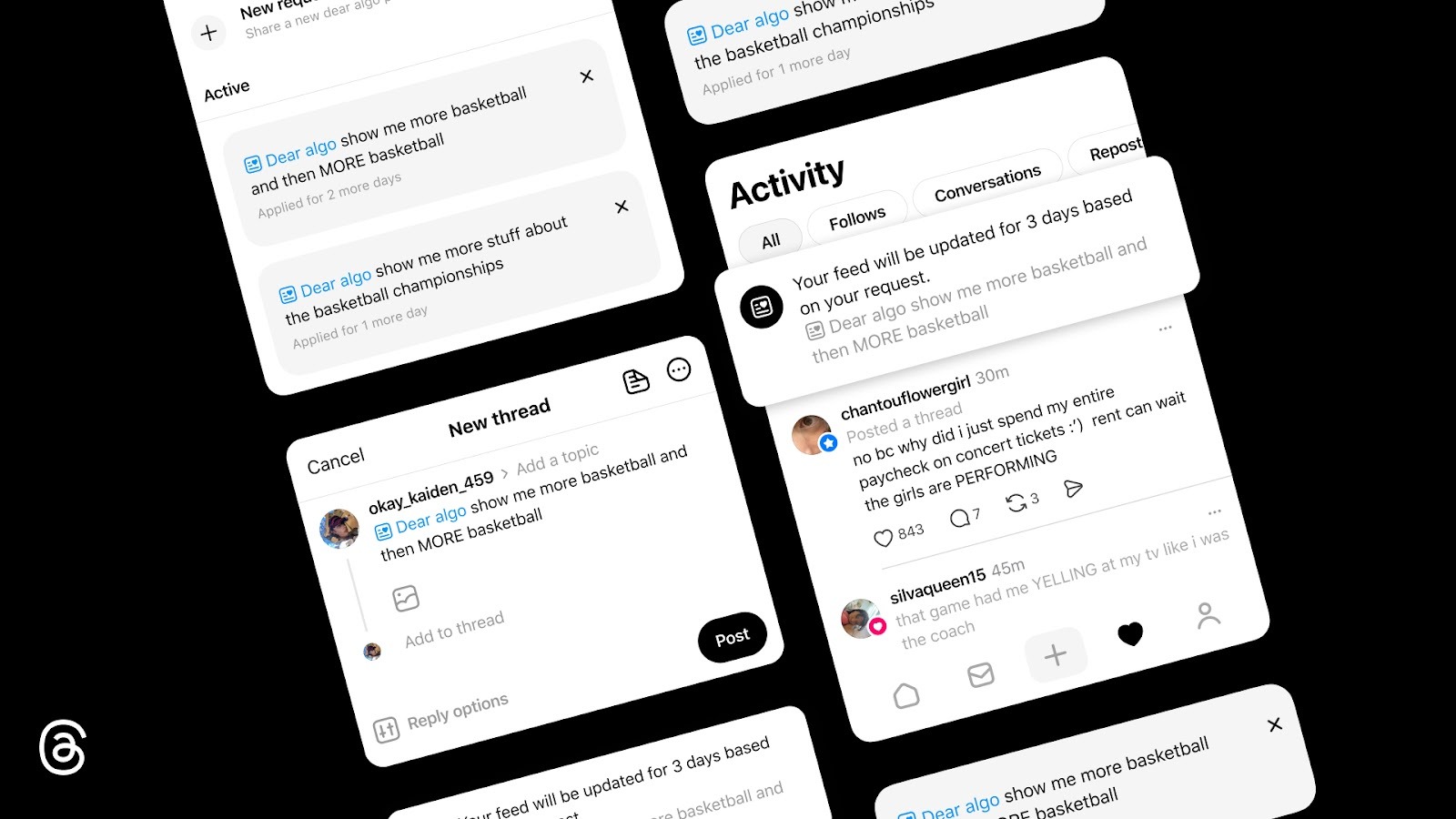
Threads has launched a new feature called 'Dear Algo' in the US, allowing users to shape what appears in their feed by posting a message addressed to the algorithm explaining their preferences. This new tool is part of Meta's broader initiative to give users more influence over the content recommended across its platforms. Inspired by organic user posts with the phrase 'Dear Algo,' this feature was first tested in Australia, Canada, New Zealand, and the UK, and is now being expanded to the US market. Meta plans to refine the experience further based on user feedback before wider availability.