Despite concerns that AI could reduce tech jobs, data reveals a steady increase in tech job openings. This growth is driven by rising AI-related spending, which boosts demand for hardware and sustains strong hiring in software development roles.
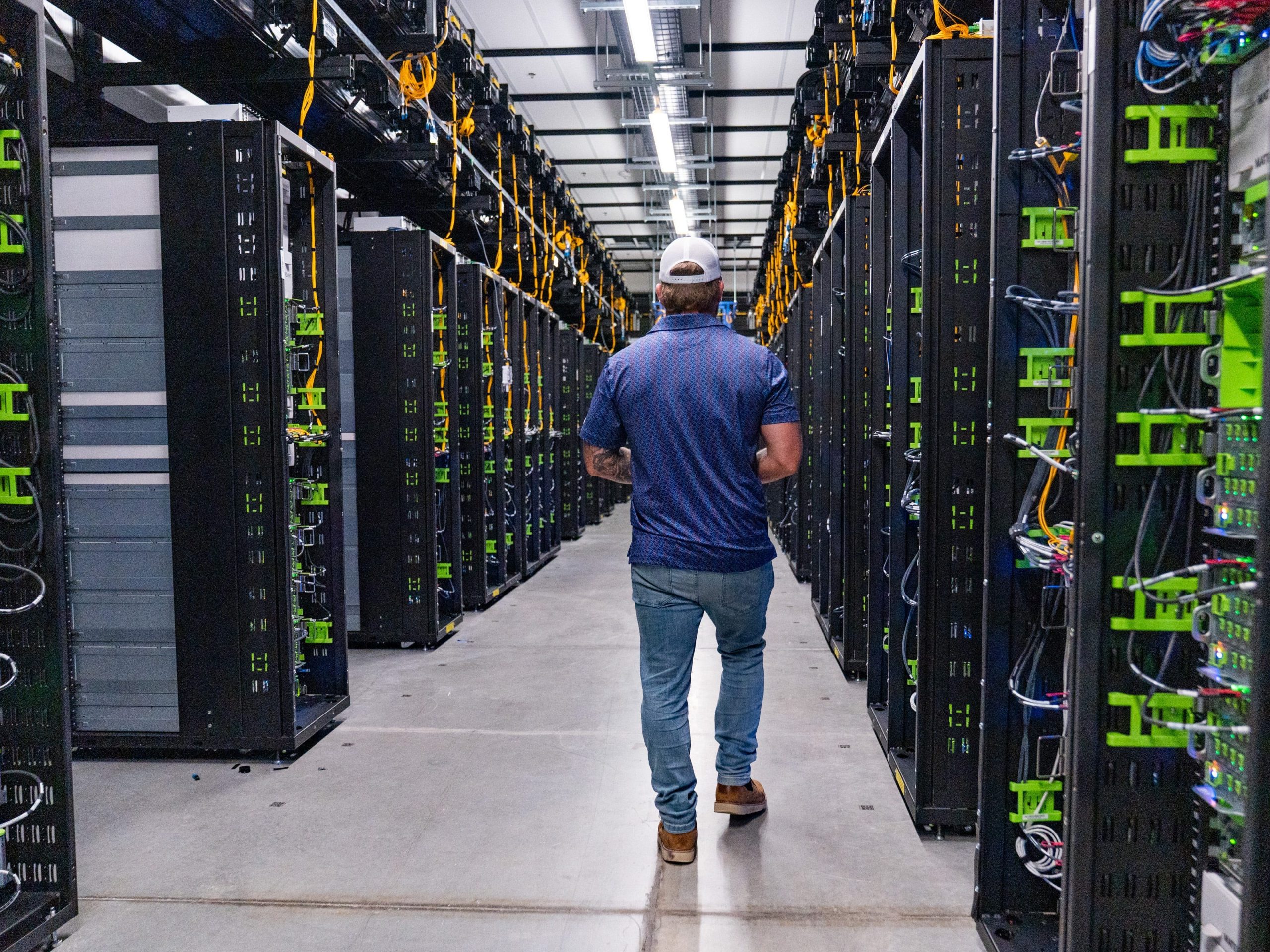
A senior executive at Amazon Web Services revealed that the company is highly selective when recruiting forward-deployed engineers, emphasizing that such talent is exceptionally rare and difficult to find.
Former FTC Chair Lina Khan expressed concern over AI companies regulating themselves, drawing parallels to the strategies that previously led Big Tech into regulatory trouble. She made these remarks during an interview on ABC's "This Week."
Amazon Web Services CEO Matt Garman cautioned that the US risks falling behind in the global tech race if data center moratoriums continue. Drawing lessons from World War II, he emphasized that the consequences of limiting data infrastructure development could be felt for generations to come.
Anthropic has launched Claude Academy with a $100 million investment, focusing on training and deploying specialized AI engineers known as FDEs (Full-Deployment Engineers). This strategic move highlights the increasing demand for skilled professionals who can effectively manage and implement AI technologies in real-world applications.

Disney is integrating AI into its employee annual review process by advising staff to utilize chatbots for drafting their self-assessments. While this move underscores the company's commitment to leveraging technology, it also raises concerns about possible limitations and drawbacks of relying on AI in performance evaluations.

David Heinemeier Hansson, creator of Ruby on Rails, announced that his software company has stopped writing code manually. Going forward, handwritten code will only be produced when AI tools are unable to perform the task, marking a significant shift towards automation in software development.

In a recent memo, Walmart CEO John Furner reassured employees and customers that the company will not implement AI or digital shelf labels to create personalized prices. The statement aims to clarify Walmart's position on maintaining standard pricing for all shoppers despite advances in technology.

OpenEvidence, known as the 'ChatGPT for doctors,' has secured nearly $800 million in funding over the past year. This impressive capital influx comes from prominent investors including Nvidia, Thrive Capital, Kleiner Perkins, a16z, and Sequoia Capital, leading to a $15 billion valuation for the startup.
Oracle's shares fell approximately 4% on Thursday following investor skepticism about the company's ability to fulfill its ambitious plans for expanding AI data center infrastructure. The recent 'force majeure' notice issued by Oracle has intensified doubts regarding their delivery timeline and capacity for this large-scale AI infrastructure project.