


Adobe is promoting the importance of human creativity in its biggest brand campaign in five years, according to Adweek. The company is responding to the rise of AI tools that simplify the creation of images and videos and to growing competition in the creative technology sector.
This move matters for marketing leaders in regulated industries who must balance automation with brand authenticity. As AI-generated content becomes more common, the way brands communicate their unique human value may affect trust and engagement. The campaign could influence how other firms position their creative strategies.

Lush, the U.K.-based beauty brand, stopped paid advertising on Instagram, Facebook, TikTok and Snapchat in 2021, citing concerns over data privacy and teen mental health. By 2023, it also left X after Elon Musk’s takeover. Instead, Lush invested in its app, email marketing and in-person events, and built partnerships with creators. The company’s app now has 2.8 million users and its email marketing reaches more than 6 million globally.
Lush reported £736.2 million in revenue for 2025, up from £672.7 million in 2024, according to its June earnings report. The company credits new product launches, cross-brand collaborations and online customer forums for its growth. Collaborations with brands such as Hello Kitty and Minecraft generated around £34 million in sales. Lush maintains organic activity on YouTube and Pinterest, and launched its own Substack and Bluesky accounts.
Paid social was not a major part of Lush’s ad budget before the change. The company’s approach contrasts with industry trends, as social media spend continues to rise and marketers seek to diversify their media mix. Recent regulatory actions, such as Meta’s $25 billion penalty and moves to restrict social media for children, have increased scrutiny of the platforms.
Paulie Dery, CMO at AG1, and Victoria Lozano, CMO at Crayola, discussed at Brandweek 2026 how brands can move beyond product benefits to build deeper consumer connections and maintain cultural relevance. The conversation addressed ways to protect premium positioning against cheaper alternatives by offering consumers meaningful values and beliefs.
Both CMOs outlined the importance of building authentic communities and embedding products into daily routines, shifting the competitive focus from price to lifestyle and attention. They also talked about balancing immediate revenue targets with sustained brand investment, and aligning these with executive priorities.
The discussion included approaches to using AI that support consumer creativity and trust, rather than eroding it. AG1’s challenger approach and Crayola’s creative legacy served as case studies for turning brand purpose into daily habits and sustainable growth.
For marketing and brand leaders, the session provided practical lessons on defending brand value and fostering loyalty in sectors facing price competition and shifting consumer expectations.
The adoption of AI-powered creative production is rapidly becoming standard practice among Chief Marketing Officers (CMOs) outside of the top-tier billion-dollar companies. This trend highlights a broader acceptance of scalable AI tools in marketing strategies across a wider range of businesses.

As budgets for creator marketing continue to rise, marketers are increasingly scrutinizing the fees agencies charge in these partnerships. The lack of clear visibility into agency commissions is becoming a significant issue, raising concerns about budget allocation and value. Marketers are calling for greater transparency to understand exactly how funds are being distributed and to ensure fair practices in managing creator collaborations.

Netflix's internal AI rollout was not just about technology; it involved careful thinking, detailed writing, and open conversations to ensure a smooth transition and gain trust from thousands of creative professionals.

Target's latest campaign emphasizes its design heritage, integrating collaborations with creators and immersive brand experiences. This initiative aligns with the retailer's positive momentum in recent turnaround efforts, showcasing a fresh approach to engaging customers.


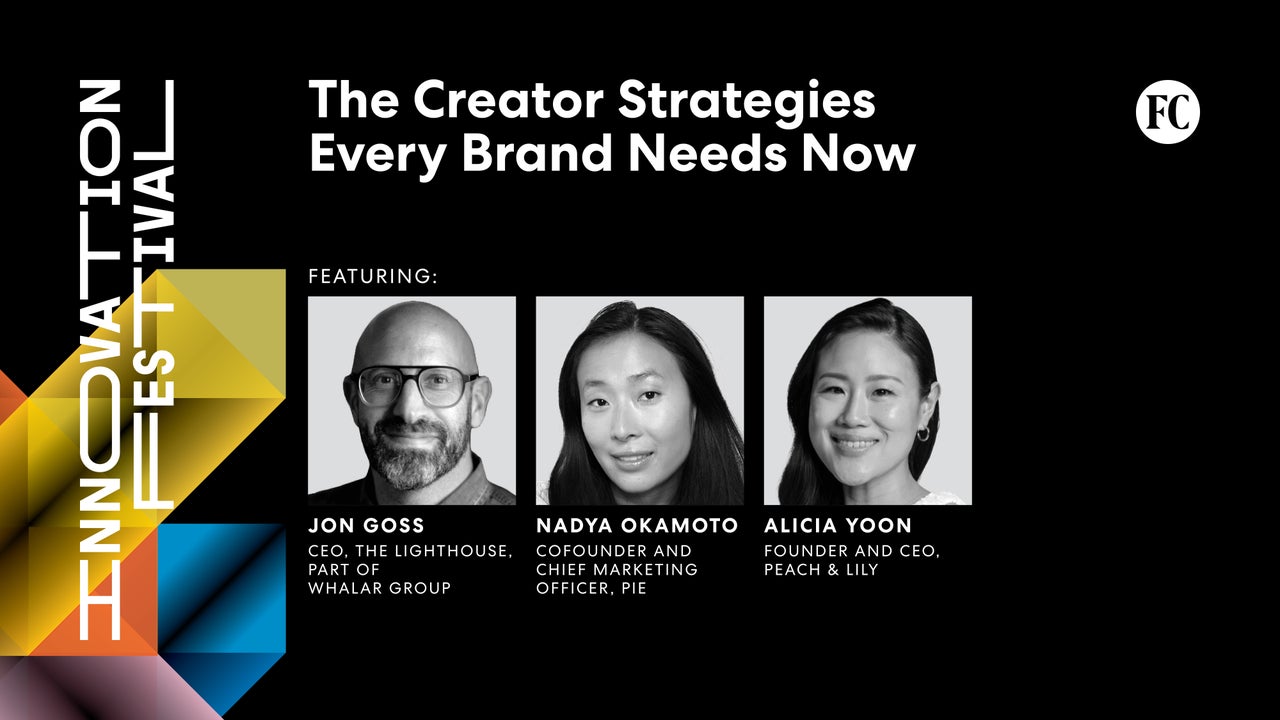
Influencer marketing has become a fundamental element in the branding landscape, but its dynamics are evolving rapidly. As audiences become more discerning, creators gain greater influence, and the boundaries between advertising, entertainment, and community blur, brands must rethink how to form effective creator partnerships. This discussion explores the future of the creator economy and what brands should focus on to stay ahead. Topics include selecting the right creators, developing partnerships that extend beyond one-off posts, and crafting content that feels genuinely authentic. It also highlights the strategies that cut through the noise, the important metrics, and why the most successful influencer marketing often doesn’t fit the traditional mold.
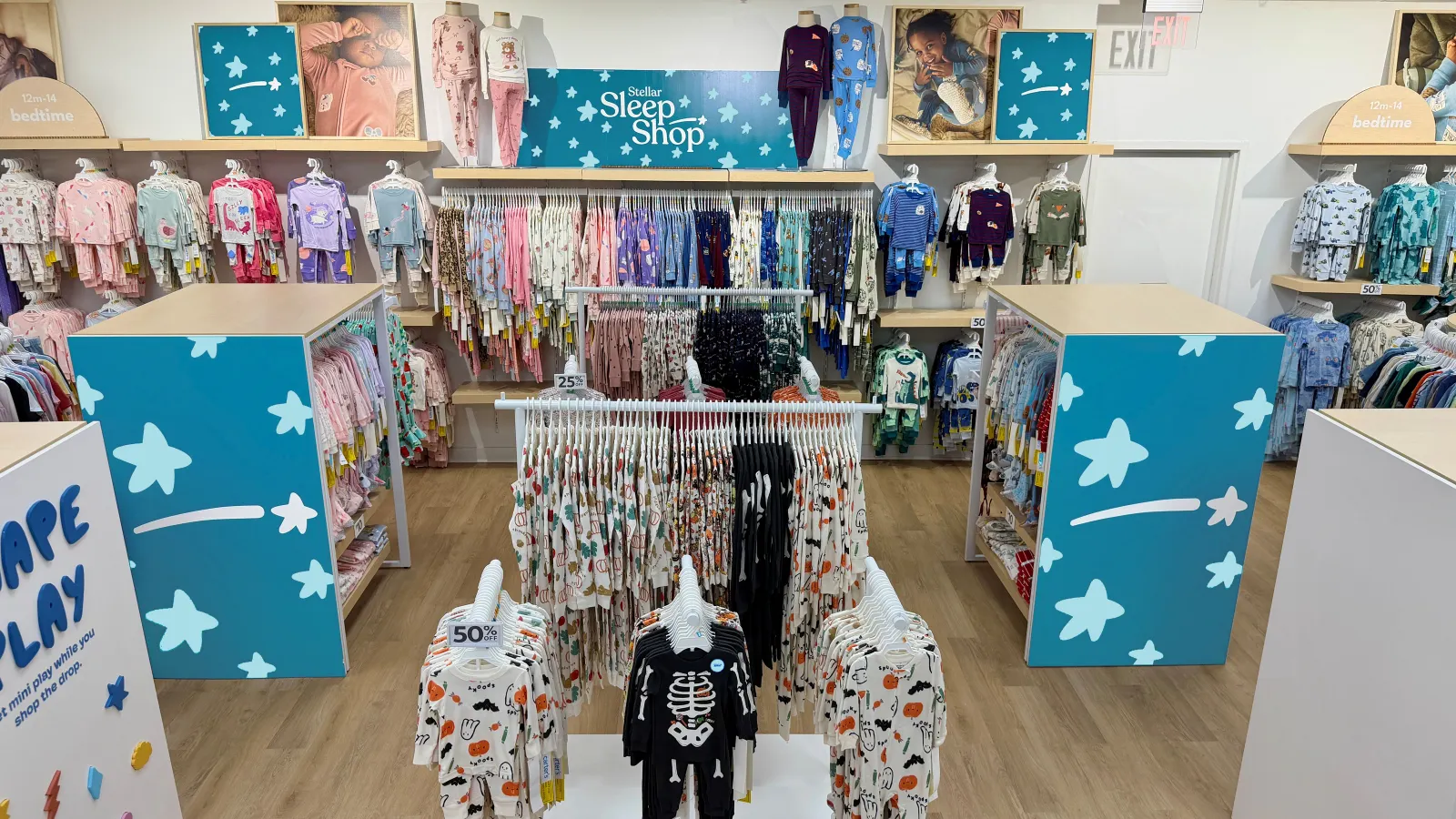
Carter’s has unveiled a fresh brand identity featuring a new logo and a redesigned social media approach. The latest campaign emphasizes self-expression to connect with Gen Z and millennial parents.
Creator briefs are evolving, increasingly resembling detailed AI search queries. This shift highlights how brands seek creators capable of appealing simultaneously to human audiences and machine algorithms, blending creativity with data-driven insights.
