Gen Z entrepreneurs bring fresh perspectives to leadership, informed by their early experiences as interns. For example, Katie Diasti, founder of Viv Period Care, emphasized the importance of involving team members in understanding the full scope of the business to foster ownership and motivation. Similarly, Anam Lakhani, co-founder of Alinea Invest, strives to make each team member feel impactful by linking their work directly to company progress and user experience.
Young founders like Liam Ryan of Streetleaf balance their lack of traditional experience with humility and strong mentorship. They face the challenge of managing older employees and overcame skepticism from external stakeholders by confidently demonstrating the value and sustainability of their innovative products. These leaders show that respect in the workplace stems from transparency, trust, impactful work, and confidently challenging outdated perceptions.


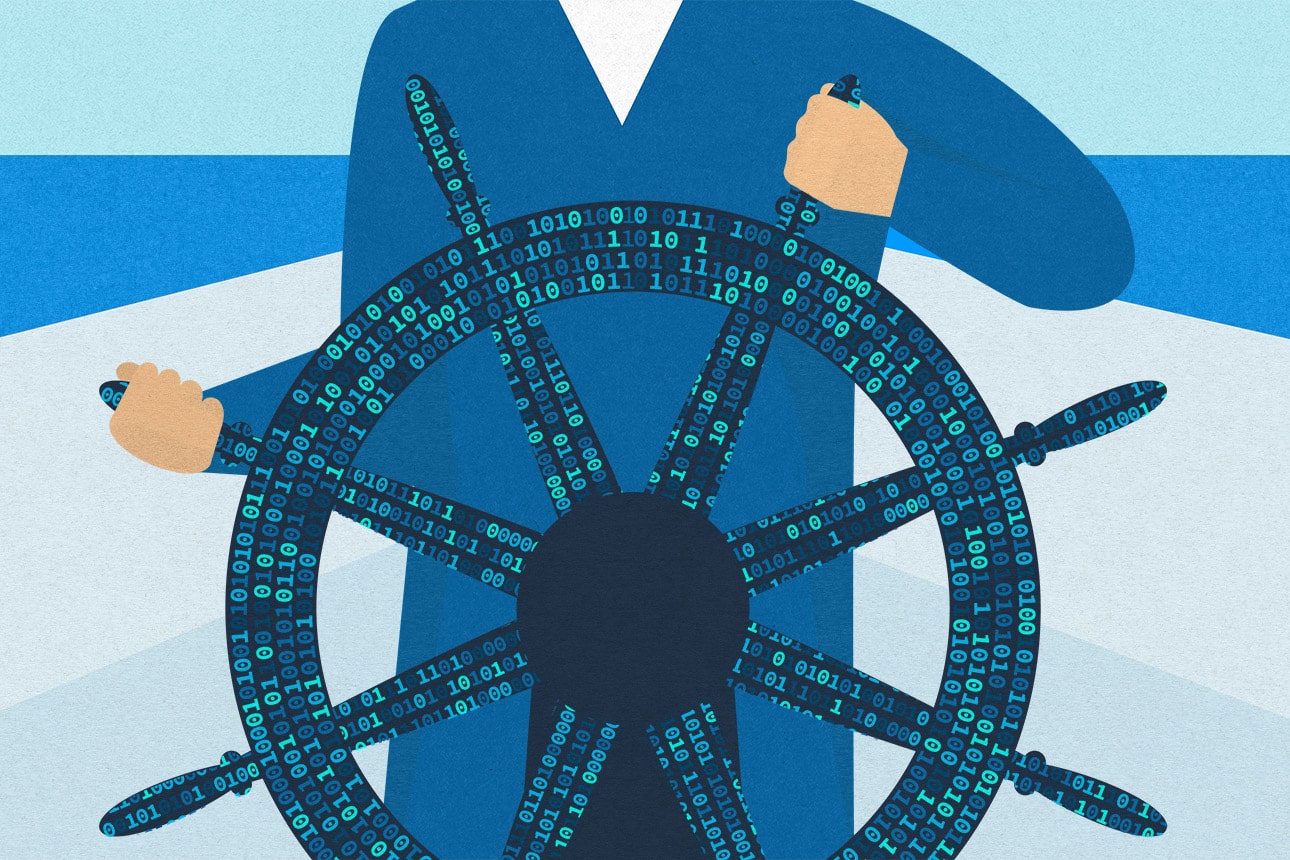
AI offers managers tools to boost productivity by quickly synthesizing information, drafting documents, and summarizing feedback. However, relying too heavily on AI risks weakening human judgment, which is critical for nuanced decisions involving values, emotions, and relationships. Managers should use AI to handle routine, repeatable tasks — like data crunching or drafting presentations — while reserving decisions that involve trust and human context for their own careful consideration.
The most effective use of AI involves treating its outputs as starting points, not final answers. Managers must actively engage with AI-generated material, evaluate it critically, and make it their own. They should also challenge their own assumptions by asking AI to offer counterarguments to avoid confirmation bias. Building personal guardrails, such as scheduling regular "AI-free" reflection time and tracking decision-making processes, helps maintain sharp judgment and accountability.
Ultimately, success in the AI era comes from blending technology with distinctly human skills—using AI to extend, not replace, thoughtful leadership.

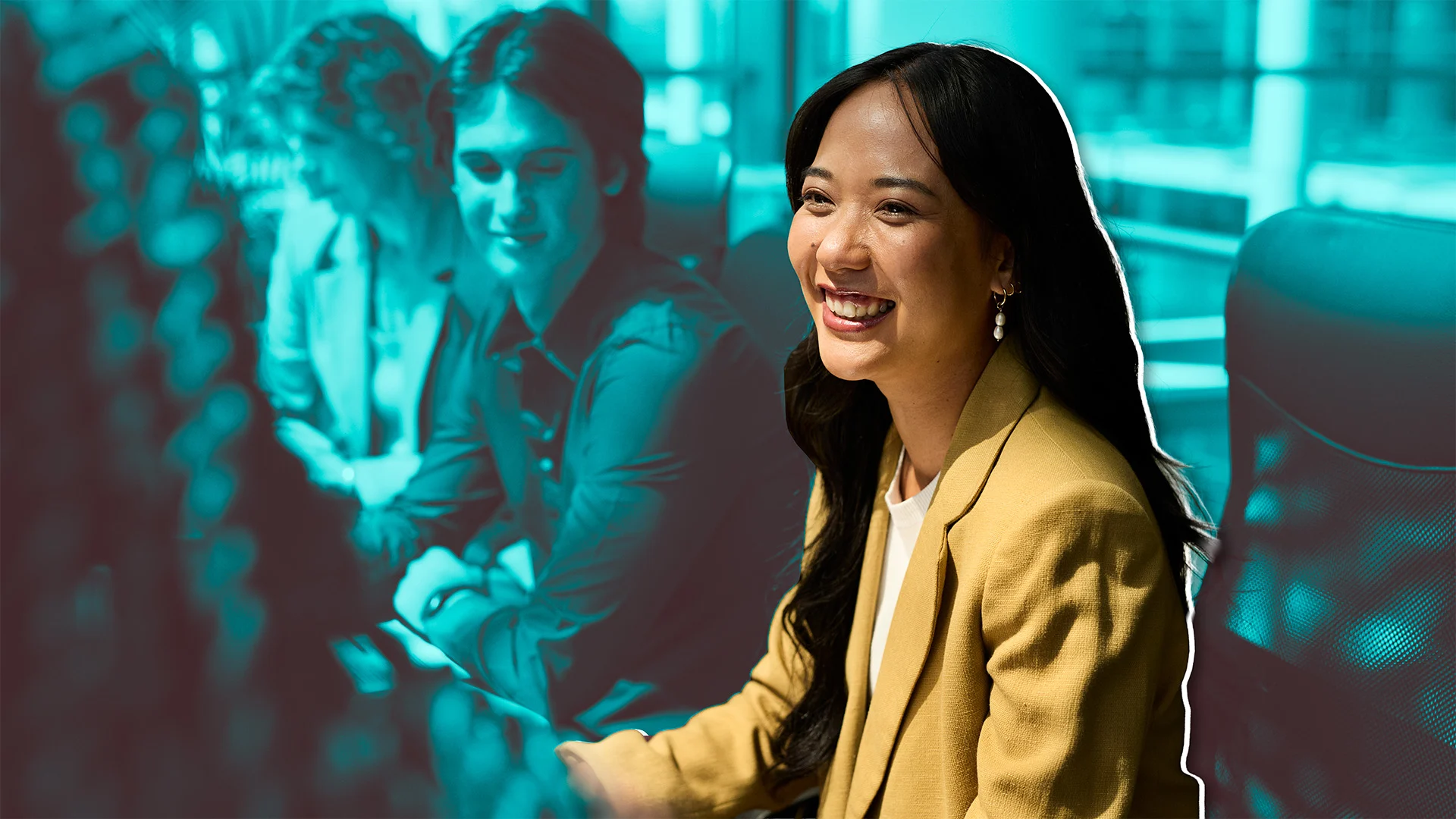
Leah Solivan shares her insight on the crucial skills that truly make a difference in hiring decisions amidst the rise of AI technology.

If you’ve been relying on your work to speak for itself, it might just be barely audible. It’s time to step up and make sure your efforts are noticed.

In his most direct statement on the issue to date, Prime Minister Keir Starmer has expressed support for banning certain addictive elements on social media platforms. He emphasized that features designed to keep young users endlessly engaged—like infinite scrolling and streaks—should not be allowed. Starmer indicated that the government will need to implement measures targeting the algorithms that drive these behaviors, aiming to protect children and teens from the hook of constant app usage. Complementing the PM's stance, the education secretary also noted that regulatory changes in this area are forthcoming.


Just days into his role as Disney's CEO, Josh D'Amaro is confronted with significant challenges. OpenAI is closing its Sora image-generation program shortly after Disney's $1 billion collaboration announcement to integrate this tech with Disney Plus. Simultaneously, Epic Games is laying off 1,000 employees, raising concerns about the future of its $1.5 billion metaverse project with Disney. Despite these hurdles, there remains potential for generative AI to become part of Disney's streaming ecosystem.


Simply inspiring your team isn't enough to drive high performance during times of change. The key lies in making change a regular, expected part of everyday work life, so it stops feeling like a threat and more like a normal rhythm.

Lasting customer loyalty is built on trust and emotional bonds rather than speed or automation. By strategically combining human touch with technology, leaders can foster deeper connections that encourage customers to stay loyal over the long term.

Mark Cuban, known for his keen sense of tech trends and cultural shifts, envisions AI achieving what labor movements have long sought: reducing the length of the workday without a pay cut. His prediction highlights AI’s potential to improve work-life balance and empower employees in unprecedented ways.

Hurrying leadership choices can negatively impact the customer experience, leading to a gradual erosion of trust that can harm the brand's reputation.