The study conducted by interviewing senior leaders across diverse sectors reveals key principles for effective crisis leadership. These leaders, including prime ministers, CEOs, and military officials, highlighted the importance of seven core capabilities—termed the 7C's—that organizations must develop to navigate crises successfully. Case studies like Southwest Airlines' failure during a winter storm and Microsoft's resilient outage response demonstrate the stark contrast in crisis management effectiveness. The 7C's—Contingency, Clarity, Coordination, Compassion, Confrontation, Control, and Continuity—serve as pillars, each maturing through five stages from reactive to strategic. Organizations must balance these capabilities, supported by a strong culture, with maturity giving leaders the confidence to manage crises effectively. The JPMorgan Chase example during the 2023 banking turmoil exemplifies how integrated crisis management, clear roles, and compassionate actions stabilize situations. Ultimately, resilience stems from preparation, culture, and continuous learning, not merely reactive responses.


In this in-depth conversation, Todd McKinnon, co-founder and CEO of Okta, discusses how his company is navigating the challenges and opportunities presented by AI and the evolving software landscape. He expresses a healthy paranoia about the so-called SaaSpocalypse—the risk from customers building their own internal tools—and explains why Okta sees a massive opportunity in managing AI agent identities within organizations. Agents, which are hybrid identities somewhere between people and systems, require new approaches to security and integration, and Okta is pioneering a blueprint for an agent-centric enterprise with standards and kill switches to mitigate risks. Todd also reflects on evolving organizational structures and leadership tactics needed to thrive in this rapidly changing AI-driven world, emphasizing adaptability, customer trust, and collaboration across platforms. The company aims to become the backbone for secure agent orchestration as the market for AI agents expands dramatically. The interview touches on how AI agents intersect with databases, the importance of digital identity, challenges around AI-powered fraud, and the vital role of regulation and industry standards in shaping the future of software and cybersecurity.


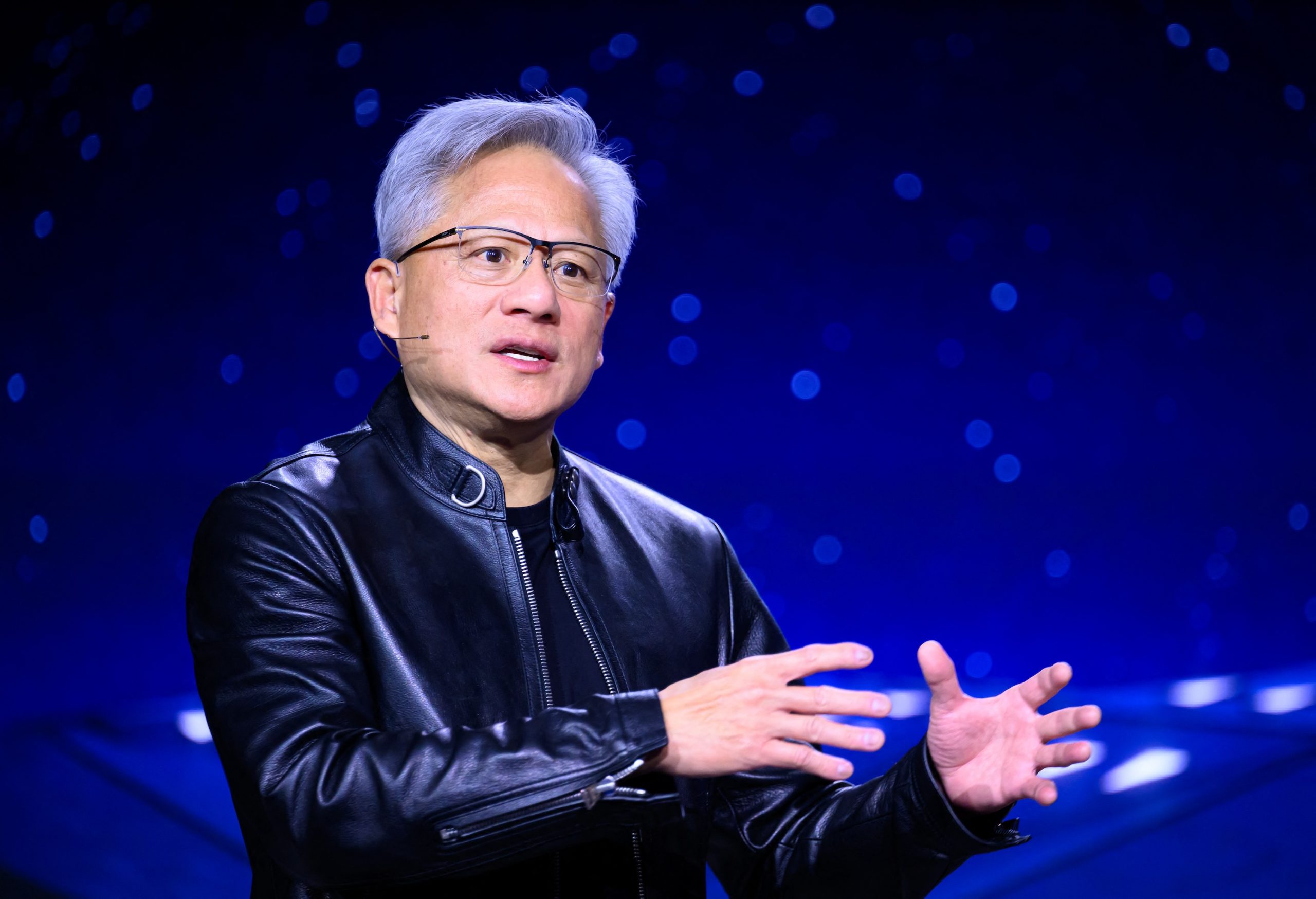
Jensen Huang’s leadership approach at Nvidia is notably unconventional. Rather than holding traditional one-on-one meetings with his 60 direct reports, he has designed a leadership structure that prioritizes a different way of managing and communicating—one that is purposefully more extreme than usual corporate practices.

Effective feedback isn’t just about what you say; timing plays a crucial role. Melinda French Gates emphasizes delivering feedback within 48 hours to maximize its impact and foster genuine growth.

Effective remote work hinges on competent management; many managers require improved training for leading remote teams successfully.

Simply fitting individuals into roles based on their skills doesn't lead to a competitive advantage. True differentiation is achieved when employees actively contribute to strengthening the overall strategy, rather than just fulfilling their assigned positions.

As leaders advance to higher positions, they engage less with granular details and must rely more on deliberate and strategic judgment.

In the world of venture capital, the pitch deck is just for show. The true indicator of a startup’s potential lies in the founder. Observing three key traits in the founder can provide far more insight into a company’s future than any slides could ever reveal.

Mina Haque has transitioned from her career as an attorney to become an entrepreneur and now the CEO of Tony Roma’s, where she applies insights from brain science to enhance the way ribs are marketed and sold.


While Chief Marketing Officers (CMOs) report greater satisfaction with their budgets compared to June, only 42% believe their marketing teams will be well-prepared to meet demands in 2026. This emerging trend highlights increasing workload pressures and concerns over team readiness in the marketing sector.