


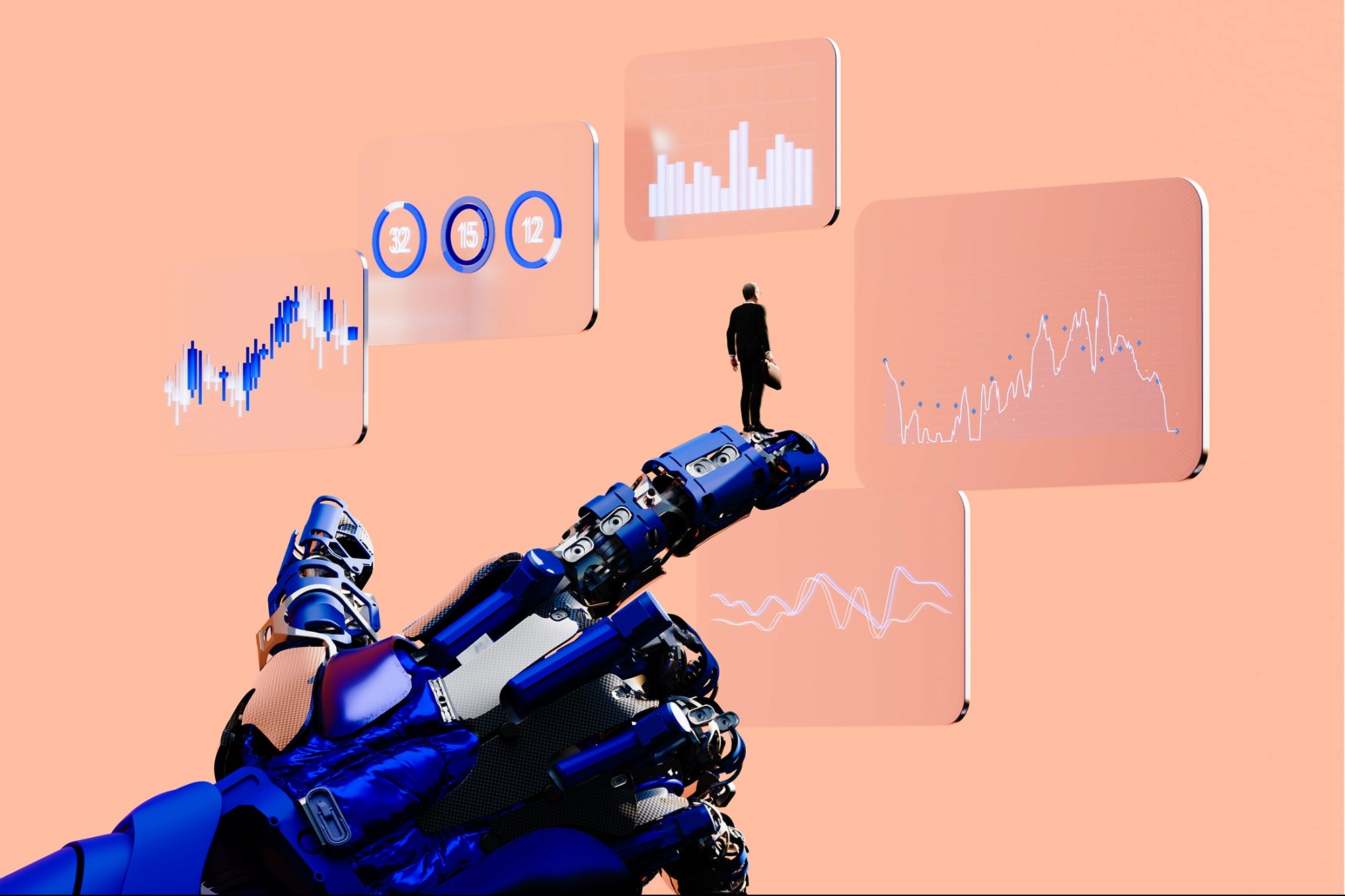
For years, HR leaders have sought to evolve their roles beyond compliance to strategic talent architects, yet progress has been slow. Now, AI is accelerating the need for change, spotlighting a divide between current HR functions and their untapped potential. Conversations with CHROs reveal two clear paths: one where HR diminishes as automation and tool-enabled business leaders take over core tasks, and another where HR transforms into a strategic force leading organizational change and managing AI workforce interactions. Technology has historically both aided and complicated HR, automating routine tasks but also overwhelming leaders with transactional demands. AI, unlike past tools, can analyze and generate content, automating more nuanced HR functions but also demanding new levels of strategic insight and human understanding. To thrive, HR must train for strategic thinking, embrace data-driven decision making, cut low-impact initiatives, harness AI thoughtfully, and focus on people-centric roles such as coaching and culture design. Organizations face a crossroads: let HR be sidelined into a compliance role or elevate it into a core driver of organizational effectiveness. Success requires rethinking HR’s structure, embracing AI to remove transactional burdens, and fostering collaboration with all business leaders to create measurable value and humane work environments. The choice will reshape the future of work and human capital management.


Effective leaders build trust through clear communication, consistent messaging, and proactive reputation management, ensuring confidence even before challenges arise.


This year, the companies that will thrive are not those with the greatest number of AI tools, but those that leverage AI as a strategic leader driving real transformation in the workplace.
As the first quarter wraps up, CEOs need to reflect: are they genuinely crafting a strategy to drive growth, or merely filling their schedules with tasks? Understanding this distinction is vital to avoiding stagnation and fostering real progress in business scaling.

A well-structured organization chart alone isn’t enough to ensure success; true accountability comes from people taking ownership of key results and outcomes.


A decade after transforming retirement plans for small and medium businesses, Guideline has joined forces with Gusto. Co-founder Kevin Busque reflects on the crucial early decisions and strategic pivots that paved the way for the startup's successful acquisition.


Trust in business isn't lost; it's evolving. As AI becomes integral, people redefine credibility standards. Mission North's 2026 Brand Expectations Index, surveying over 1,500 U.S. adults and knowledge workers, reveals surprising shifts in trust-building. Key findings include: mere visibility of leaders no longer equates to trust; generational differences deeply influence where trust is earned—with younger audiences favoring social platforms like YouTube and TikTok, while older generations lean towards traditional media; AI both challenges and reinforces trust, hinging on transparency about its use; sometimes silence is wiser than premature communication in crises; and ultimately, substance and accountability outshine biases. Leaders must prioritize expertise, transparency in AI, and clear, value-driven messaging, as the future of trust lies not in visibility but in responsibility and authenticity.


Sam Altman, CEO of OpenAI, is stepping down as the board chair of fusion startup Helion. This move coincides with ongoing discussions between the two firms, where Helion may supply 12.5% of its fusion-generated power to OpenAI.


Mark Zuckerberg is creating an AI-driven assistant tailored to help him manage his responsibilities as Meta's CEO. Reported by the Wall Street Journal, this AI tool is still being refined but already serves as a quick-access information resource, enabling Zuckerberg to retrieve data more efficiently than through traditional company reporting lines. This innovation demonstrates an early step toward integrating advanced AI in executive decision-making processes.

Steve Huffman, CEO of Reddit, announced that the company plans to significantly increase hiring of recent graduates. Contrary to trends of reducing staff, Reddit aims to leverage AI technology to expand its product offerings and foster innovation.
