
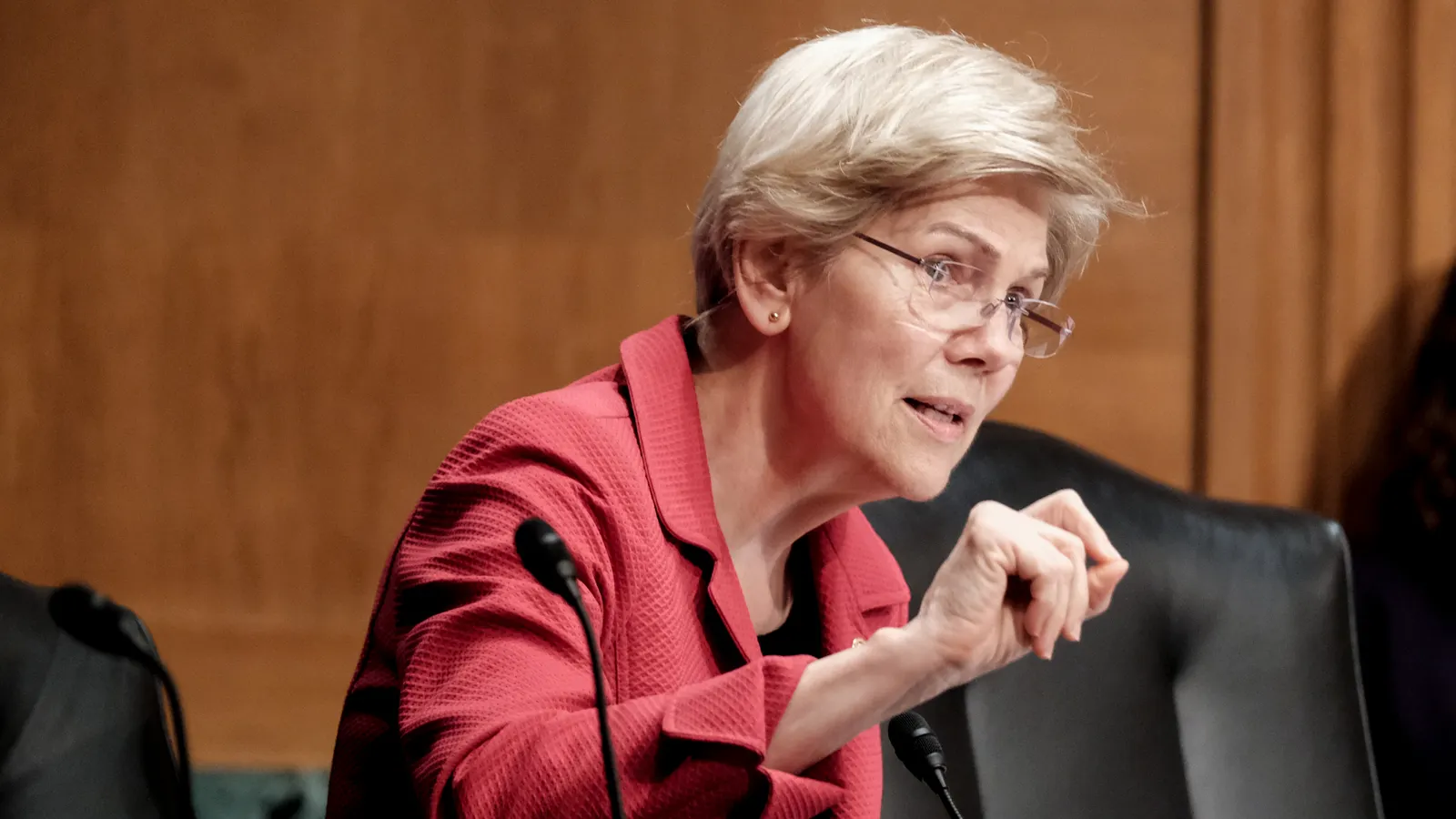
A US senator has urged the Federal Reserve, OCC and FDIC to restore powers for bank examiners, according to Banking Dive. The senator said that policies restricting when examiners can issue warnings and take enforcement actions make banks more vulnerable to rising AI and cybersecurity threats.
This call draws attention to regulatory gaps in digital risk oversight. If agencies act, banks could face more frequent interventions and stricter compliance checks. Senior executives should monitor for any policy changes that could alter supervisory expectations for technology and cyber risk controls.
Citi’s global head of AI, digital and data platforms said at Money20/20 that the bank is intentionally moving slowly on giving access to AI agents. He stated, “There are places in which we want to go faster. This is not one of those places,” according to Banking Dive.
This approach signals Citi’s focus on risk management and careful governance as it considers AI deployment in sensitive banking operations. For senior leaders in regulated sectors, Citi’s stance is a reminder to balance innovation with operational and compliance risks.

BitGo has seen increased interest from banks since it obtained an unconditional charter from the Office of the Comptroller of the Currency, according to an executive cited by Banking Dive. The company says more banks are now approaching it to discuss digital asset custody.
This matters for banks and payment firms watching regulatory attitudes to crypto. Growing engagement with BitGo may indicate a shift in how traditional financial institutions view digital asset services. Executives should consider the implications for compliance, partnerships and competitive positioning.
Plaid's chief executive, Zach Perret, told the Money20/20 conference that the industry is in a 'dead sprint using AI to fight AI fraud'. He described the situation as a potential 'scary year' for financial security as fraudsters adopt more sophisticated tools.
This warning signals that banks and payment firms may need to act quickly to strengthen their AI-driven fraud prevention systems. The rapid escalation of AI capabilities on both sides could put pressure on risk teams and technology budgets.
Banking Dive reports that PNC, a regional bank based in Pittsburgh, has invested significantly in AI for internal use. However, CEO Bill Demchak said agent-only transactions "will never happen" at the bank, warning that such a move could "mess with people's lives."
This stance suggests PNC values human oversight in customer transactions, even as it adopts advanced technology. For regulated banks, the approach raises questions about the balance between automation and the need for trust, accountability and compliance in financial services.
Cross River, an $8.5 billion-asset bank, plans to acquire Accrue’s branded-wallet platform, stored value and technology, according to the bank. Cross River said the move would allow it to offer partners a complete embedded finance stack.
This deal matters for regulated-industry leaders as it signals a shift towards integrated loyalty and payment solutions. Banks and insurers may see new partnership models and technology integrations emerge from such acquisitions.
Ramp, a fintech, announced it had raised $1.85 billion in a recent funding round, according to Banking Dive. The company is now applying for a national trust bank charter from the Office of the Comptroller of the Currency (OCC). The news follows a lawsuit by a banking trade group against the OCC, citing concerns about the growing number of trust charters being granted.
This development signals increased competition and scrutiny in the regulated banking sector. Senior leaders should watch for how the OCC manages industry pushback and what this means for fintechs seeking similar licences.

According to Banking Dive, Wells Fargo’s head of AI products and solutions said that redesigning workflows with artificial intelligence is the bank’s biggest focus for 2027. The bank is concentrating on how AI can change internal processes and improve efficiency.
This signals a shift for banks and other regulated firms, as AI-driven workflow changes may affect risk management and compliance. Senior leaders should track how these changes develop, as they could influence future technology investment and operational planning.