

Bridging the Gap: Why Data Science Alone Falls Short Without Decision Science
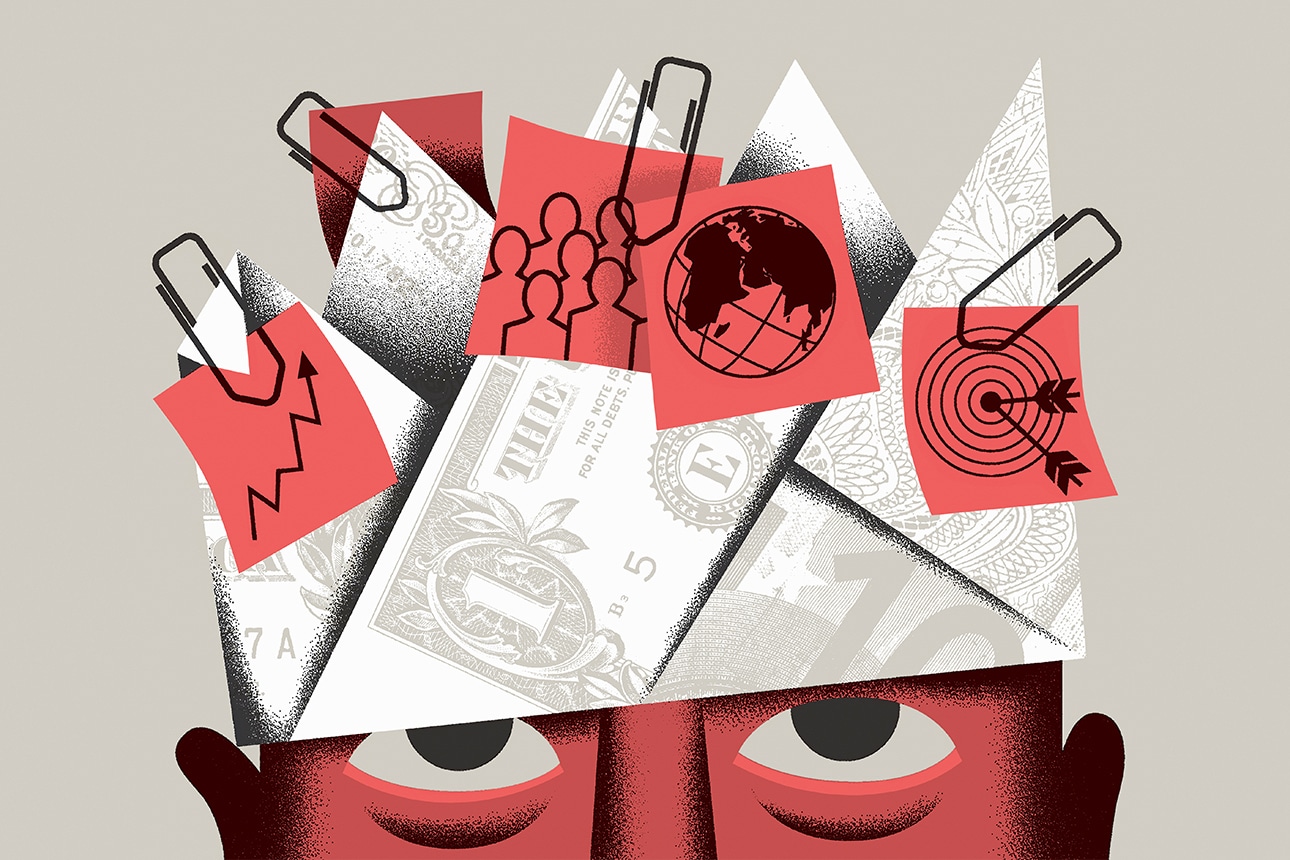
Otto Dettmer/Ikon Images
Imagine you're an operations manager at a global retailer who has invested heavily in data science. Your team produces highly accurate demand forecasts, yet when leadership asks how much inventory to hold and where, the answers are vague. This disconnect between data predictions and actionable business decisions illustrates a common issue: data models often don’t address the real business problems.
Studies show 60-85% of data science projects fail—not due to poor algorithms, but because data scientists and managers often speak different languages. Data scientists focus on prediction accuracy, while managers need clear guidance on decisions that impact costs, profits, and market share. This gap leaves many valuable insights unused.
Decision science offers a solution by modeling the actual business decisions managers face, aligning analytics directly with business objectives. Instead of just predicting outcomes, decision science translates data into actionable strategies, ensuring analytics deliver measurable value.
Data science excels in prediction and machine learning, but decision science emphasizes problem framing, business knowledge, and decision modeling. Combining these disciplines strengthens problem definition and encourages collaboration between analysts and business leaders.
For example, forecasting product demand is useful, but managers must decide production quantities and inventory levels based on profit contribution, costs, and capacity constraints. Decision modeling incorporates these factors and provides recommendations or scenarios that balance risk and return.
Decision science also helps avoid the “convenient data” trap, encouraging teams to gather the data that truly addresses the decision problem, not just what’s easiest to access. This approach fosters metrics aligned with business goals, like financial impact, instead of generic accuracy scores.
To maximize ROI from analytics, organizations should start projects with a clear decision-focused brief, develop enterprise digital twins to simulate business scenarios, insist on actionable recommendations—not just predictions—and build teams blending data science with decision science expertise. Leadership that bridges technical insights with business decisions is essential.
Ultimately, organizations must shift from being data-driven to decision-driven, ensuring analytics translate into better business choices and stronger outcomes.

Find out more here