Otto Dettmer/Ikon Images
Imagine you're an operations manager at a global retailer who has invested heavily in data science. Your team produces highly accurate demand forecasts, yet when leadership asks how much inventory to hold and where, the answers are vague. This disconnect between data predictions and actionable business decisions illustrates a common issue: data models often don’t address the real business problems.
Studies show 60-85% of data science projects fail—not due to poor algorithms, but because data scientists and managers often speak different languages. Data scientists focus on prediction accuracy, while managers need clear guidance on decisions that impact costs, profits, and market share. This gap leaves many valuable insights unused.
Decision science offers a solution by modeling the actual business decisions managers face, aligning analytics directly with business objectives. Instead of just predicting outcomes, decision science translates data into actionable strategies, ensuring analytics deliver measurable value.
Data science excels in prediction and machine learning, but decision science emphasizes problem framing, business knowledge, and decision modeling. Combining these disciplines strengthens problem definition and encourages collaboration between analysts and business leaders.
For example, forecasting product demand is useful, but managers must decide production quantities and inventory levels based on profit contribution, costs, and capacity constraints. Decision modeling incorporates these factors and provides recommendations or scenarios that balance risk and return.
Decision science also helps avoid the “convenient data” trap, encouraging teams to gather the data that truly addresses the decision problem, not just what’s easiest to access. This approach fosters metrics aligned with business goals, like financial impact, instead of generic accuracy scores.
To maximize ROI from analytics, organizations should start projects with a clear decision-focused brief, develop enterprise digital twins to simulate business scenarios, insist on actionable recommendations—not just predictions—and build teams blending data science with decision science expertise. Leadership that bridges technical insights with business decisions is essential.
Ultimately, organizations must shift from being data-driven to decision-driven, ensuring analytics translate into better business choices and stronger outcomes.
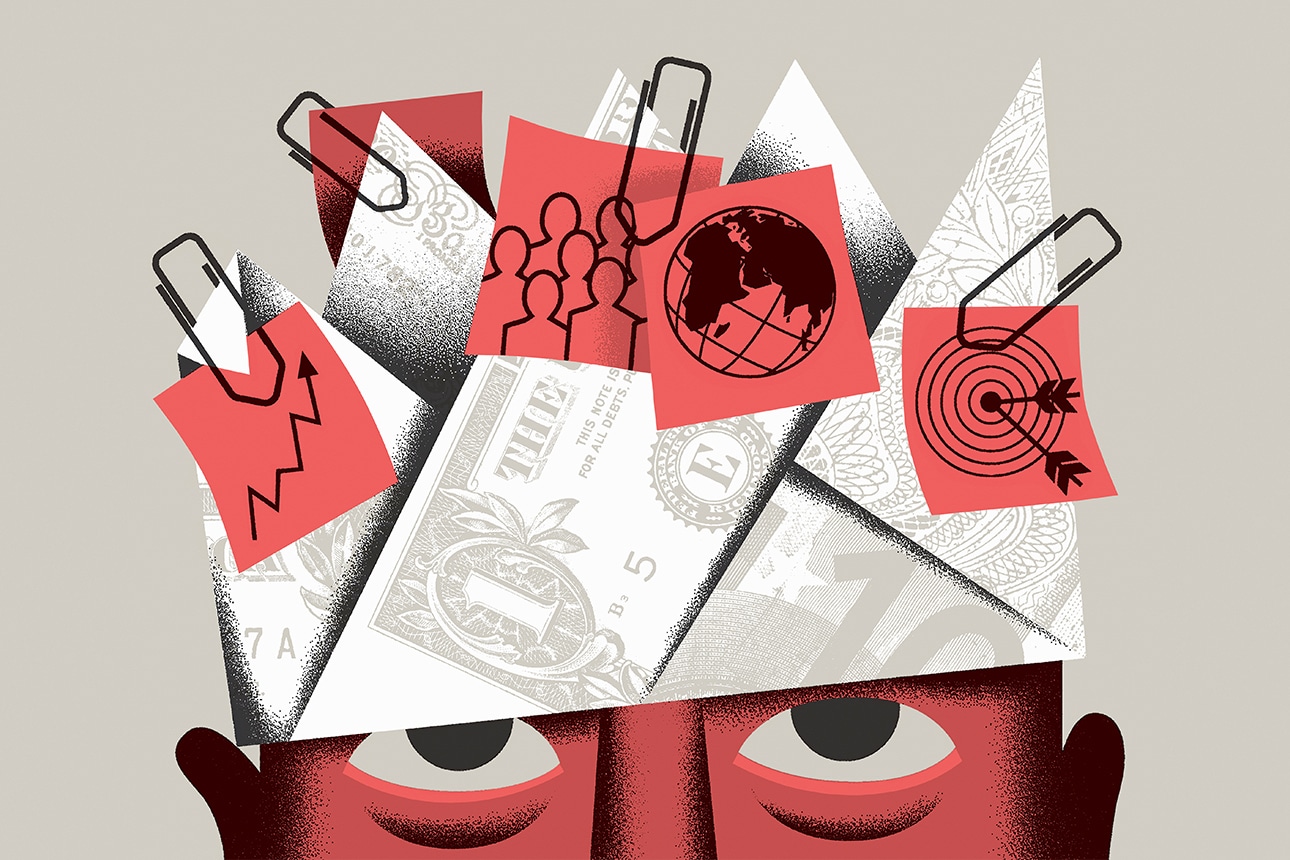

From 2023 to 2025, the percentage of S&P 500 companies identifying AI as a risk surged from 12% to 83%. Yet, fewer than 3% of directors possess AI expertise, and only 23% of executives believe their boards are highly fluent in AI. As AI integrates deeply across business functions, boards face a critical knowledge and oversight gap that must be addressed. While recruiting AI experts is important, it’s not enough since AI touches all areas of business and requires distributed oversight among all directors, not just specialists. Moreover, expertise in AI doesn't guarantee effective oversight; true oversight means actively managing AI risks and accountability.
Boards must focus on key AI oversight areas such as governance accountability, data transparency, explanation and disclosure, fairness, risk management, human judgment, and autonomy controls. Good oversight means measuring what directors actually do, not just what they know, ensuring every director meets a minimum competency floor across all oversight areas. Depth should be spread across the entire board with at least two directors proficient in each AI domain to avoid blind spots. Ultimately, possessing AI expertise is valuable, but it is the board’s actions in diligent AI oversight that safeguard the company’s future.
For directors wanting to assess their AI oversight capabilities, participation in ongoing research and scorecards is encouraged to benchmark and improve their effectiveness.


A senior executive at Amazon Web Services revealed that the company is highly selective when recruiting forward-deployed engineers, emphasizing that such talent is exceptionally rare and difficult to find.


Jay Clayton, currently the director of national intelligence and leader of the US's 18 intelligence agencies, has been appointed by Donald Trump as the new White House AI czar. During his confirmation, Clayton described AI as both a 'gamechanger' and a potential 'threat.' Clayton has a background as the top federal prosecutor in Manhattan and previously led the Securities and Exchange Commission under Trump's first term.


The upcoming financial crisis might not originate within traditional banks, India's central bank governor, Sanjay Malhotra, cautioned. Speaking at the Kautilya Economic Conclave in New Delhi, Malhotra highlighted that such a crisis could be triggered by geopolitical tensions, cyberattacks, or technological failures. His warning underscores the evolving risks in the financial system that extend beyond conventional banking threats.


Forget the endless search for talent. Focus on cultivating and developing your own workforce.

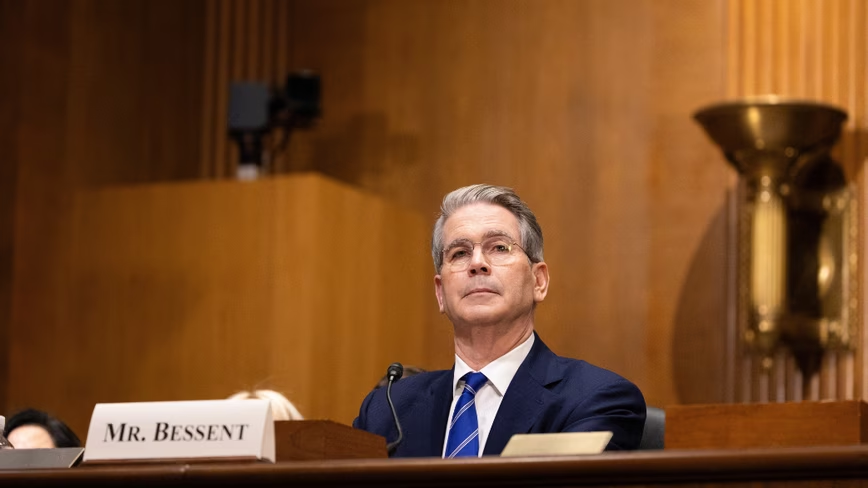
US Treasury Secretary Scott Bessent has expressed frustration with certain AI industry leaders who raise alarm about potential risks but fail to propose effective solutions. In an interview with Axios, Bessent emphasized that such alarmism without actionable remedies does not constitute true leadership. His comments come amid growing debates over the future and regulation of artificial intelligence technologies. Prominent figures like Anthropic’s Dario Amodei, OpenAI’s Sam Altman, and xAI’s Elon Musk have been central to these discussions.
David Robinson, a key figure in OpenAI’s safety team, has resigned, criticizing the company's internal culture as deeply flawed. He expressed concern that AI developers, including OpenAI, are not exercising enough caution in the fast-paced evolution of AI technology. Robinson, who was responsible for safety reports accompanying OpenAI’s product launches like ChatGPT, detailed his reasons in an essay titled "I quit OpenAI because its culture is broken."

Amazon Web Services CEO Matt Garman cautioned that the US risks falling behind in the global tech race if data center moratoriums continue. Drawing lessons from World War II, he emphasized that the consequences of limiting data infrastructure development could be felt for generations to come.

More than 25% of marketers hired this year possess AI-ready skills, compared to only 9% of CMOs who have held their positions for over four years. This highlights a growing gap in technological proficiency within marketing leadership amid increasing demands and faster turnover.