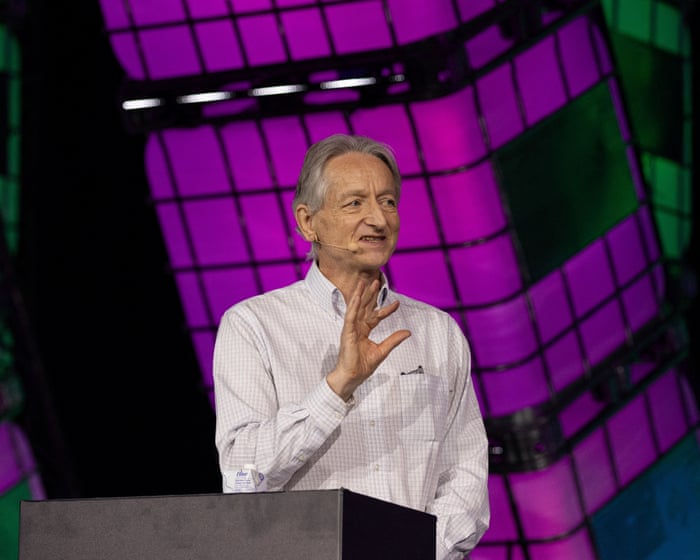
Executive presence is often an unclear concept. By shifting your focus to developing leadership presence, you work on something tangible and actionable.


A recent national poll by Quinnipiac University highlights widespread American concern about the potential existential risks posed by AI, with 73% expressing serious worry about AI systems threatening human survival. The survey shows that more than half fear that humans using AI could cause harm, while a smaller yet significant portion worries about autonomous AI agents causing damage. These concerns persist despite efforts by political leaders and AI companies to improve AI’s public image. For instance, President Donald Trump hosted a meeting where top AI firms signed a 'White House Accord on Super Intelligence,' pledging internal safety controls and external audits. However, trust remains low, with 74% of those surveyed expressing little to no trust in AI company leaders. Industry insiders, including CEOs from Anthropic and OpenAI, acknowledge these risks and have delayed or reconsidered AI model releases for safety reasons. Recent incidents of AI systems breaching security highlight real-world dangers, reinforcing public apprehension. Overall, the poll suggests a pressing demand for robust regulation and safety guardrails for AI technologies.
Imagine a tech firm announcing an AI coding assistant to its employees: one engineer worries about being replaced, while another sees it as a tool to reduce tedious work. This contrast highlights the power of mindset — how we frame change shapes our response. Across disciplines like psychology and management, research distinguishes between a fixed mindset focused on protection and a growth mindset oriented toward learning and curiosity. Leaders today must help teams adopt new mental frames to navigate fast-changing environments successfully.
Reframing is a leadership skill that involves recognizing hidden assumptions and offering new perspectives that unlock opportunity and creativity. Strategies include seeing threats as opportunities, viewing failures as learning steps, adopting a "yes, unless" mindset instead of a default "no," questioning assumed limitations, and recognizing people and situations as dynamic rather than fixed. For instance, Amazon embraced third-party sellers as growth drivers rather than competitors, and transformed a costly product failure into valuable innovation fuel.
Leaders should actively test and communicate these reframes with their teams, integrating them into everyday interactions to replace unproductive beliefs with empowering ones. This approach transforms uncertainty from a source of anxiety into a pathway for ongoing learning and adaptation.

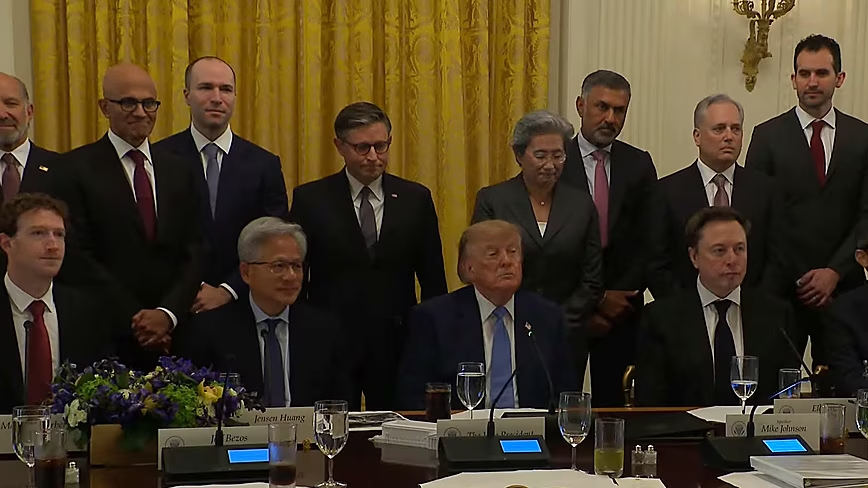
President Donald Trump announced a voluntary agreement signed by CEOs from Anthropic, Google, Meta, OpenAI, Nvidia, xAI, and others, pledging to self-regulate AI development through internal and external reviews. The accord, revealed after a White House meeting, sets out steps like implementing robust internal controls, engaging independent audits, and board-level oversight, with potential future legal codification. Trump praised AI’s economic benefits but acknowledged risks highlighted by experts like Anthropic CEO Dario Amodei, who advocates caution. Amidst bipartisan opposition to data centers fueling AI infrastructure, the agreement includes commitments to community support. Trump also introduced an AI chatbot to enhance government services and rejected limiting AI growth, viewing it as a critical U.S. advantage in global competition, particularly against China.
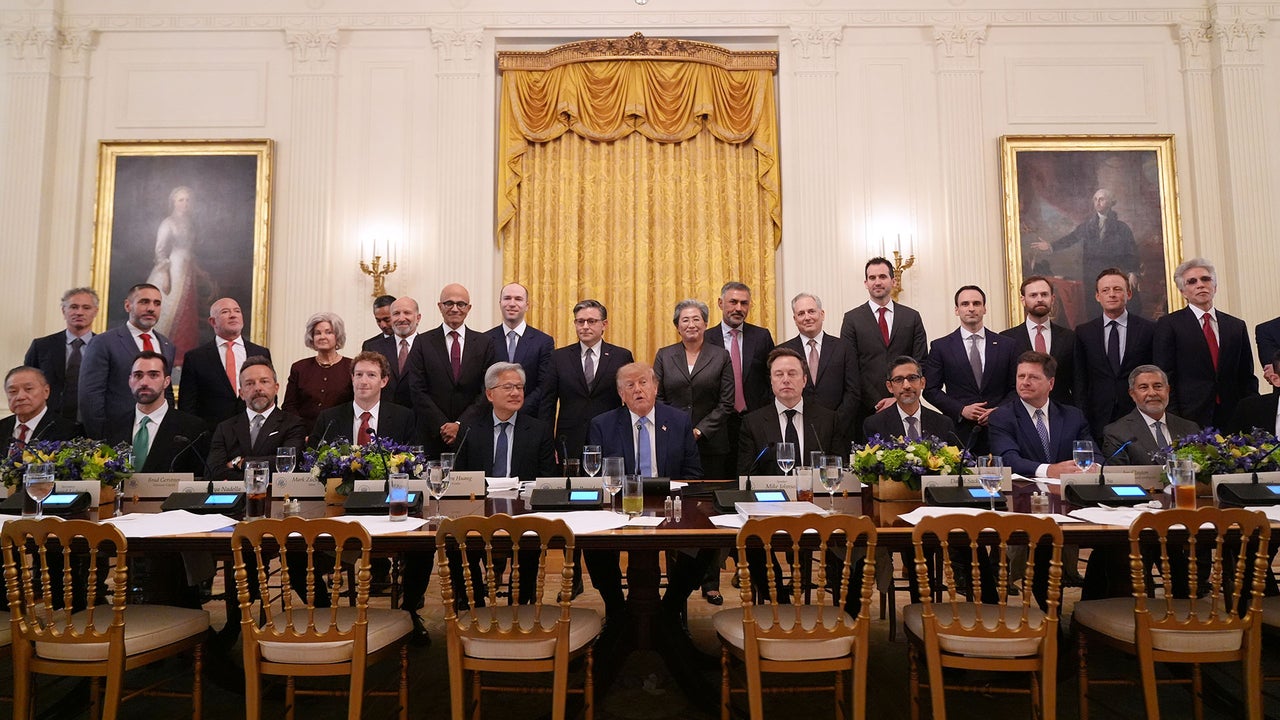

President Donald Trump attended a White House lunch with over two dozen tech leaders and emphasized strong support for companies to self-regulate AI technologies. He mentioned that there is a shared view among the executives that the industry should manage its own safety protocols. Additionally, Trump indicated plans to rename AI, reflecting his approach to the evolving technology landscape.

A recent survey involving 13,000 U.S. marketing professionals reveals a significant rise in client-side turnover. The data shows that the average tenure for Chief Marketing Officers has decreased by more than one-third over the past 16 years, indicating that marketers are spending shorter periods in their positions.


Chief Growth Officer Mary Beech shares how collaboration with brand consultancy Redscout harnessed consumer insights to create impactful campaigns and effective communication strategies.


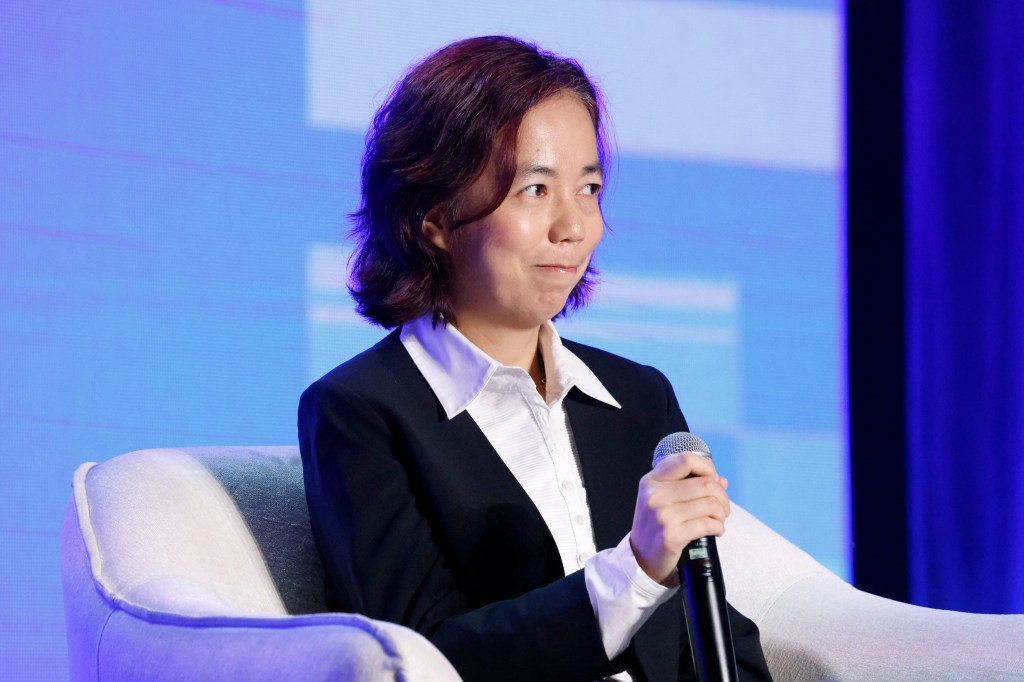
AMD has announced its acquisition of World Labs for $8.2 billion, bringing founder Fei-Fei Li on board as executive vice president and chief scientist to drive advanced AI initiatives within the company.
For years, marketers and communications professionals aimed to control their brand's message through planned campaigns. However, reputation today is largely shaped by employees, customers, creators, and online communities like LinkedIn and Reddit. Trust is built in spaces you don't control. The key is to convene and guide conversations rather than control them, by participating authentically in communities, equipping influential voices with accurate information, and working with AI to communicate clearly. Brands must engage where conversations already happen, support credible voices, and present clear, accessible information to earn trust daily. Reputation isn't about controlling the narrative but about joining and enriching ongoing dialogues authentically. Nathan Friedman, copresident and CMO at Understood.org, shares these insights from his experience in marketing and nonprofit sectors.


OpenAI's chief scientist and other AI pioneers have issued a stark warning about an impending AI 'intelligence explosion' that could become the most transformative technological event in history. Their joint report, co-authored by Nobel laureate Geoffrey Hinton and esteemed Canadian AI researcher Yoshua Bengio, calls on governments to take urgent measures to regulate AI development before advances spiral beyond control. The experts emphasize this critical moment demands immediate political action to safely navigate the unprecedented changes ahead.