Traditionally, brands were seen as outward-facing stories or visual elements aimed at influencing market perception. This approach made sense in a stable, slow-moving business environment where strategy and culture were separate. However, today's organizations face constant change and pressure, where leadership is judged by coherence and meaning beyond just results. Brands must evolve from mere expressions to foundational operating systems that coordinate behavior, guide decisions, and maintain clarity under pressure.
This shift means brand isn't just about what a company says but how it acts—shaping leadership decisions, team priorities, cultural responses, and product evolution. It moves beyond consistency to functionality, helping the organization operate smoothly even when circumstances are uncertain. The era of brand decks and alignment theater gave way to a governance role where brand becomes the shared logic system enabling precise hiring, focused innovation, and genuine culture.
Leadership plays a pivotal role in this transformation, as brand-as-OS requires ownership, modeling, and enforcement from the top. It is an intentional infrastructure intimately connected to culture, vision, and execution, not something to be delegated to marketing. Failing to make this shift leads to disjointed efforts, lost trust, slowed decisions, and superficial progress. Conversely, organizations that build brand as an operating system unlock velocity, alignment, and confidence.
The future of leadership centers on creating coherent systems that resonate with people inside the company. Brand as an operating system is not a trend but a response to complexity—a backbone that integrates vision, culture, and strategy into one living, actionable system. Brands that embrace this approach don’t just tell stories—they lead through purposeful direction and belief, turning vision and culture into lived experiences that propel business success.


Demis Hassabis, CEO of Google DeepMind, commented that he has not faced internal pressure to introduce advertisements into their AI chatbot. His remarks highlight a contrast with OpenAI's aggressive approach to integrating ads within ChatGPT.


To significantly boost business results, HR professionals must implement four key strategies that enable frontline managers to make more informed and effective people decisions.


With AI becoming integral to business operations, it's crucial for CTOs and CEOs to align their communication, ensuring both clients and leadership have a clear understanding of technological impacts and strategies.


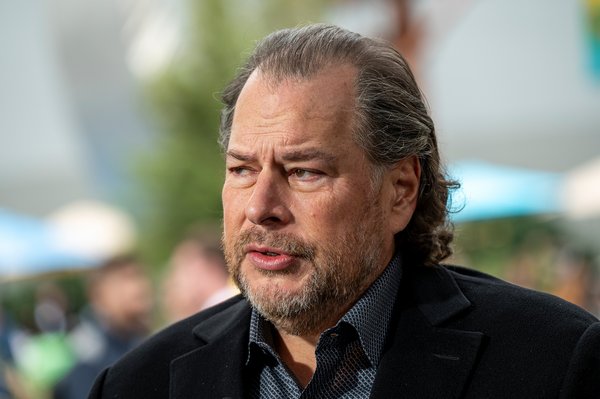
Salesforce CEO Marc Benioff has sharply criticized the tech industry, claiming that AI models have taken on roles as 'suicide coaches.' He warned that prioritizing growth above all else in AI development is dangerous and called for comprehensive regulations to control the technology's impact.

At the World Economic Forum in Davos, European Commission president Ursula von der Leyen formally introduced the much-anticipated 'EU Inc' initiative, marking a significant step in European economic collaboration.

As businesses expand, their culture often shifts, but it is possible to nurture and sustain a positive culture throughout the scaling process.

Explore the critical communication mistake leaders make that causes their important messages to be ignored or misunderstood.

CEO Dario Amodei compared the sale of Nvidia's H200 AI chips to China to the reckless act of "selling nuclear weapons to North Korea," emphasizing the potential risks involved.
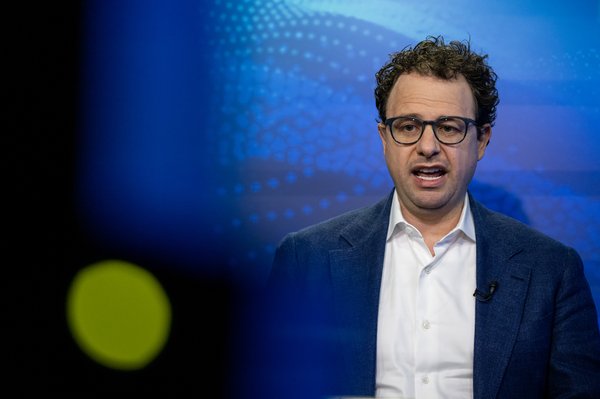
Discover how elite CEOs worldwide are strategically preparing to seize growth and innovation opportunities in 2026 and beyond, ensuring their companies thrive in a rapidly evolving landscape.