At the World Economic Forum Annual Meeting in Davos, today's CEOs gather to share their perspectives on the future. Insights from global leaders highlight varied levels of confidence in the economic outlook alongside fresh discussions on the role and impact of artificial intelligence.


Effective leadership today means putting employee well-being and value at the forefront. Smart leaders recognize that fostering a supportive work environment is key to unlocking greater productivity and engagement.


The industry agrees 2026 will mark the rise of "agentic AI," where autonomous agents do much more than text summarization—they'll handle tasks like booking flights and managing infrastructure. However, these agents are fragile. Despite the hype around AI model improvements, the real failure often lies in data quality. Unlike the older analytics era where data issues were caught by humans before causing wide problems, autonomous agents take actions based on flawed data, leading to costly mistakes. Traditional data cleaning isn’t enough; instead, a "data constitution" enforcing strict automated rules before data hits AI models is necessary. This "Creed" framework acts as a gatekeeper, featuring mandatory quarantine of faulty data, strict schema enforcement, and vector consistency checks to prevent disastrous outputs. Implementing such controls also involves overcoming cultural resistance from engineers, yet these efforts ultimately accelerate development by reducing debugging time and improving data trustworthiness. For those building AI strategies, focusing on robust data governance rather than just hardware or model benchmarking is crucial to prevent agents from making rogue decisions that damage trust and revenue.

Are you aiming for mere urgency, or are you striving to spark true, passionate involvement within your team? Understanding the distinction can transform how your team responds and performs.


Modern workplaces have access to numerous tools that measure employee engagement, yet disconnection among employees remains a growing issue. While engagement scores aim to gauge motivation, they fail to capture the deeper relational dynamics that enable teams to work well together over time. The key difference lies in connectedness, which reflects whether employees feel seen, trusted, and supported by their colleagues—conditions essential for collaboration and resilience.
Historically, engagement surveys were effective indicators of performance in traditional, co-located work settings. However, today's biggest challenge is relational capacity—not motivation. Employees can be engaged in their tasks but simultaneously feel isolated, invisible, or excluded within their teams. This disconnect is especially pronounced in hybrid and remote work environments, where social bonds weaken and digital communication limits emotional nuance.
Connectedness measures tangible aspects such as relational trust, belonging, psychological bravery, purpose, collaboration flow, and feeling seen. Research shows that teams with strong connections innovate more, recover quicker, and handle conflict better than those with high engagement but weak relational foundations. Google's Project Aristotle, for example, identified psychological safety as the top factor driving team effectiveness.
Leaders can foster connectedness through practices like frequent brief surveys focused on interpersonal connection, network mapping to identify collaboration barriers, relational 360 feedback for leaders, and creating regular dialogue opportunities. The focus shifts from passively measuring engagement scores to actively designing relational ecosystems where employees feel visible and valued.
In a world where loneliness and distrust pose real risks to organizational health, prioritizing connectedness over engagement offers a pathway to stronger, more resilient teams and sustainable performance.


Discover why hiding behind a brand can feel like a protective shield but actually limits your potential in today’s economy driven by trust. Learn how becoming the authentic face of your brand can unlock genuine growth and deeper connections.

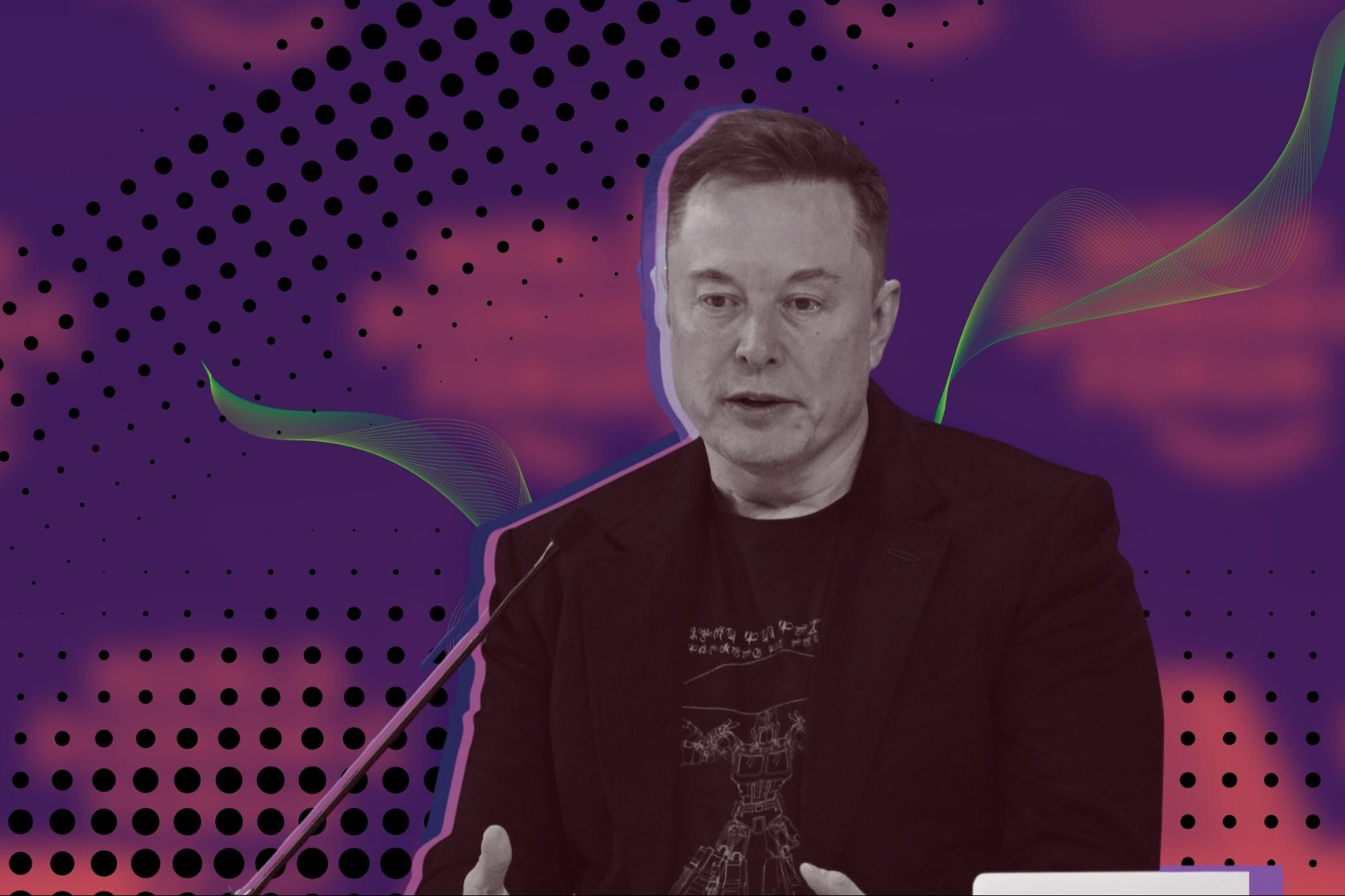
At the World Economic Forum in Davos, Elon Musk humorously claimed he might be an alien but shared a serious belief that humanity could be alone in the vast universe. This perspective fuels his ambitions with Tesla and SpaceX, shaping his vision for humanity's future exploration and survival beyond Earth.
Amazon CEO Andy Jassy announced that the company is eliminating 30,000 corporate positions starting next week, citing excessive bureaucracy as a key reason for the move.

Burnout often creeps in unnoticed through exhausting late nights, lost family time, and diminishing passion for what once inspired us. This piece explores practical steps to reconnect with your core purpose and regain true energy in your leadership journey.

Leaders often feel the pressure to keep innovating, but making sudden, unasked-for changes to a successful product can backfire. Instead, consider a thoughtful, incremental approach that respects your users' needs while introducing improvements. This strategy helps maintain customer trust and ensures your product evolves in a sustainable way.