After years of studying leaders from diverse industries and cultures, one thing stands out: the most remarkable leaders share a unique rhythm. Great leadership isn’t just about managing time but mastering this rhythm daily through five key habits. First, they honor their bodies as primary classrooms, recognizing that physical movement fuels clarity and creativity by boosting brain function. Second, they protect "white space" in their schedules, guarding moments of stillness that allow fresh ideas to emerge. Third, they prioritize strategic rest, understanding that brief pauses rejuvenate the mind and foster insight. Fourth, they excel in deep listening, hearing not only what is spoken but what is left unsaid, building trust and opening doors to innovation. Lastly, they lead with wonder, embracing curiosity over certainty and inviting discovery through open questions. This rhythmic approach enables leaders to harness energy rather than just manage it, turning creativity into a natural part of their work and fostering innovative success.

AI-generated content is increasingly pervasive, flooding digital spaces with low-quality material, from bizarre images to synthetic music. Some platforms have started offering tools to help users control and reduce AI-generated content in their feeds. For example, Pinterest has introduced a 'tuner' to adjust AI content visibility across various categories such as fashion and home decor. TikTok is testing sliders that let users manage how much AI content appears in their For You feeds, though these controls are not yet widely available. Deezer labels AI-generated music tracks to help listeners differentiate authentic artists. For those seeking a break from AI-heavy feeds, alternative platforms like Cara and Pixelfed offer spaces that restrict AI-generated content. Additionally, a new app, diVine, aims to provide a "No AI Slop" experience by detecting and filtering AI content. While it’s challenging to completely eliminate AI content, these tools help users regain some control over their digital consumption.
Journalist Ira Glass, known for hosting NPR's “This American Life,” may not be a tech expert, but he perfectly captured a widespread sentiment in 2024: feeling 'unprepared for what has already happened' with AI. This phrase, coined by science journalist Alex Steffen, reflects the common anxiety that professional skills may now feel outdated amid rapid advancements. Many experienced professionals worry about their place in a world where AI can deliver complex tasks faster and cheaper. Stories like Microsoft researcher Chris Brockett's intense personal crisis upon realizing AI's capabilities highlight the emotional toll. Yet, labor economist David Autor offers a more hopeful perspective, viewing the future as a design challenge where proactive investment can create better jobs and lessen inequality with AI’s help. This moment isn’t one of despair but an opportunity to thoughtfully shape what’s ahead—everyone is still essentially at the starting line of understanding and adapting to generative AI.

LinkedIn has introduced a new way for users to validate their proficiency with popular AI tools by partnering with coding platforms like Lovable, Relay.app, and Replit. Users can link their accounts to LinkedIn and earn certificates that reflect their actual usage and skill level with these tools, assessed through the platforms' own AI systems. These certificates serve as credible proof of capability, helping job seekers stand out in a competitive job market by signaling true expertise to hiring managers. The program aims to include more partners, like Gamma, GitHub, and Zapier, allowing users to showcase verified AI experience beyond traditional education or exams. This initiative aligns with LinkedIn’s broader focus on highlighting career-relevant skills and leveraging AI to better connect job seekers with opportunities.

For years, customer experience has been misunderstood as merely a technology challenge—adding tools without addressing real outcomes. Despite heavy investments, satisfaction scores continue to decline, revealing a critical flaw: focusing on activity metrics like containment rather than true value creation. The future lies in a hybrid approach where AI and humans complement each other, enhancing personalization and problem resolution to build trust and loyalty. In 2026, predictable AI will become key, moving beyond novelty to controlled, tested, and reliable systems that minimize risks like hallucinations and inefficiency. This creates continuous improvement and real ROI, enabling AI deployment in sensitive and valuable areas such as healthcare and finance. Tightened budgets mean CX leaders must prove tangible financial impact quickly, shifting CX from a discretionary cost to a business essential. Lastly, marketing is evolving, with conversational AI replacing traditional lead funnels to offer real-time, personalized, low-cost interactions that meet customers’ expectations. Ultimately, precision combined with scale will redefine the customer experience landscape, focusing on better outcomes instead of more technology. John Sabino, CEO of LivePerson, highlights that getting this balance right will ensure CX’s recovery and success in 2026.

Each month, approximately two billion users encounter Google's AI Overviews, which generate quick summaries for their searches. A recent analysis has uncovered that when it comes to health-related queries, this AI feature often relies on YouTube videos more than established medical websites. Since its debut, AI Overviews has been criticized for errors and legal challenges, including accusations of disrupting organic web traffic. A January study by SE Ranking scrutinized over 50,000 health-related searches in Germany, spotlighting YouTube as the leading source cited, far surpassing major medical portals. The report raised concerns that AI treats all content sources equally, regardless of their medical trustworthiness. However, Google defended the practice, arguing the study's categorization of sources is overly simplistic and that many cited YouTube channels are credible medical authorities. The debate highlights the ongoing challenge of balancing broad content inclusion with ensuring the reliability of AI-delivered health advice.

Modern workplaces have access to numerous tools that measure employee engagement, yet disconnection among employees remains a growing issue. While engagement scores aim to gauge motivation, they fail to capture the deeper relational dynamics that enable teams to work well together over time. The key difference lies in connectedness, which reflects whether employees feel seen, trusted, and supported by their colleagues—conditions essential for collaboration and resilience.
Historically, engagement surveys were effective indicators of performance in traditional, co-located work settings. However, today's biggest challenge is relational capacity—not motivation. Employees can be engaged in their tasks but simultaneously feel isolated, invisible, or excluded within their teams. This disconnect is especially pronounced in hybrid and remote work environments, where social bonds weaken and digital communication limits emotional nuance.
Connectedness measures tangible aspects such as relational trust, belonging, psychological bravery, purpose, collaboration flow, and feeling seen. Research shows that teams with strong connections innovate more, recover quicker, and handle conflict better than those with high engagement but weak relational foundations. Google's Project Aristotle, for example, identified psychological safety as the top factor driving team effectiveness.
Leaders can foster connectedness through practices like frequent brief surveys focused on interpersonal connection, network mapping to identify collaboration barriers, relational 360 feedback for leaders, and creating regular dialogue opportunities. The focus shifts from passively measuring engagement scores to actively designing relational ecosystems where employees feel visible and valued.
In a world where loneliness and distrust pose real risks to organizational health, prioritizing connectedness over engagement offers a pathway to stronger, more resilient teams and sustainable performance.

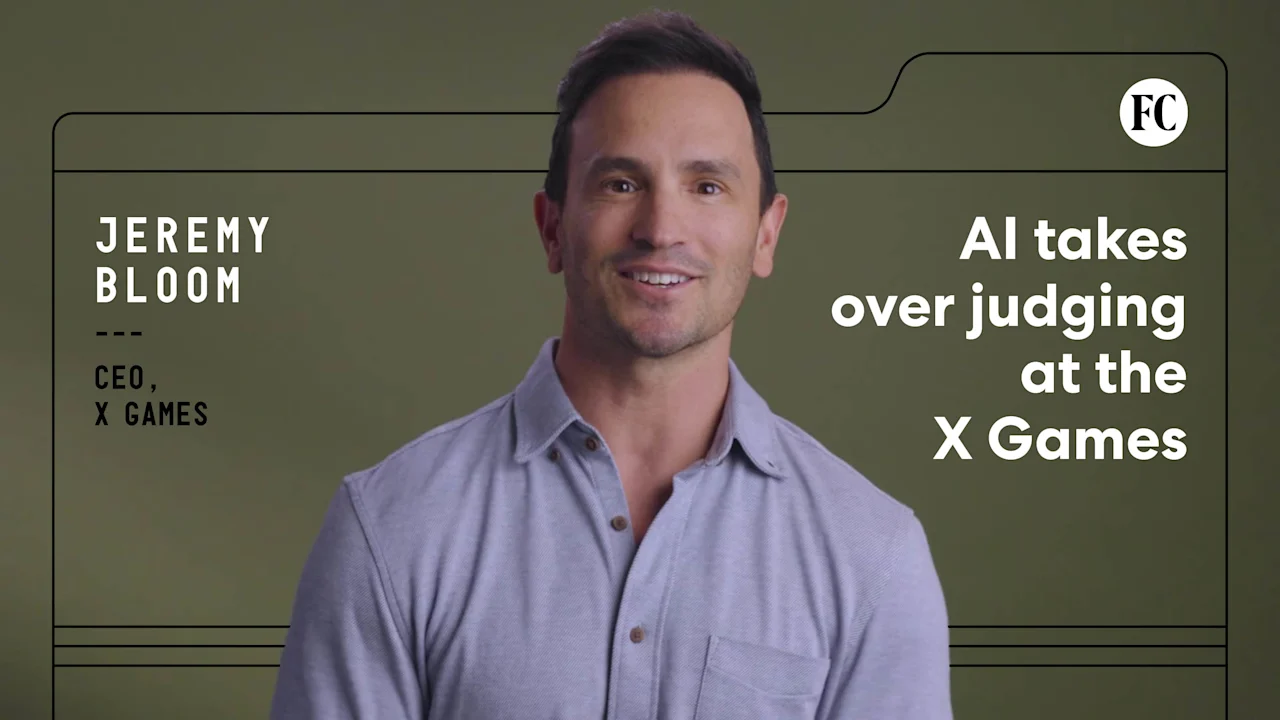
The sporting world is poised for transformation with artificial intelligence taking center stage. Jeremy Bloom, CEO of the X Games, envisions AI as a game-changer for judging and scoring, aiming to minimize human mistakes and boost fairness and precision in competitions. This new approach could reshape how professional sports are evaluated — but the question remains: can AI truly match the discernment of experienced human judges in high-stakes events?
Traditionally, brands were seen as outward-facing stories or visual elements aimed at influencing market perception. This approach made sense in a stable, slow-moving business environment where strategy and culture were separate. However, today's organizations face constant change and pressure, where leadership is judged by coherence and meaning beyond just results. Brands must evolve from mere expressions to foundational operating systems that coordinate behavior, guide decisions, and maintain clarity under pressure.
This shift means brand isn't just about what a company says but how it acts—shaping leadership decisions, team priorities, cultural responses, and product evolution. It moves beyond consistency to functionality, helping the organization operate smoothly even when circumstances are uncertain. The era of brand decks and alignment theater gave way to a governance role where brand becomes the shared logic system enabling precise hiring, focused innovation, and genuine culture.
Leadership plays a pivotal role in this transformation, as brand-as-OS requires ownership, modeling, and enforcement from the top. It is an intentional infrastructure intimately connected to culture, vision, and execution, not something to be delegated to marketing. Failing to make this shift leads to disjointed efforts, lost trust, slowed decisions, and superficial progress. Conversely, organizations that build brand as an operating system unlock velocity, alignment, and confidence.
The future of leadership centers on creating coherent systems that resonate with people inside the company. Brand as an operating system is not a trend but a response to complexity—a backbone that integrates vision, culture, and strategy into one living, actionable system. Brands that embrace this approach don’t just tell stories—they lead through purposeful direction and belief, turning vision and culture into lived experiences that propel business success.
In the evolving landscape of artificial intelligence, the focus is shifting from broad AI concepts like Artificial General Intelligence to practical, interactive digital assistants—agents—that understand and execute tasks instantly. Recent advances, such as Lenovo's Qira and Apple's integration of Google's Gemini models into Siri, highlight this shift toward AI as an orchestrator of specialized services rather than a monolithic entity. Agentic tools like Claude Coworker demonstrate how AI can act more like a collaborator, planning and executing with minimal input. These developments imply a future where interaction with technology becomes seamless and outcome-focused, with significant implications for media and journalism—especially concerning transparency, source attribution, and data handling. As the agent era unfolds, the challenge will be implementing these tools safely, ensuring auditability, and establishing governance frameworks to maintain trust while leveraging AI's transformative potential.