For years, marketers and communications professionals aimed to control their brand's message through planned campaigns. However, reputation today is largely shaped by employees, customers, creators, and online communities like LinkedIn and Reddit. Trust is built in spaces you don't control. The key is to convene and guide conversations rather than control them, by participating authentically in communities, equipping influential voices with accurate information, and working with AI to communicate clearly. Brands must engage where conversations already happen, support credible voices, and present clear, accessible information to earn trust daily. Reputation isn't about controlling the narrative but about joining and enriching ongoing dialogues authentically. Nathan Friedman, copresident and CMO at Understood.org, shares these insights from his experience in marketing and nonprofit sectors.

The legal landscape for AI companies is growing increasingly complex as more lawsuits frame AI tools as potentially defective products rather than mere services. Recent cases, such as British Columbia suing OpenAI after a tragic school shooting and families suing AI companies following suicides, highlight how courts are willing to explore product liability claims centered on the design of AI systems. Experts emphasize that design features like memory and emotional mirroring, intended to humanize chatbots, may also pose risks to vulnerable users. Beyond life-and-death situations, legal debates also extend to issues like unauthorized practice of law by AI. While courts grapple with whether chatbots qualify as products and what liabilities developers bear, some suggest legislative protections similar to those internet companies received might emerge. Nonetheless, experts caution that litigation alone won't solve the social and mental health challenges intertwined with AI technology.

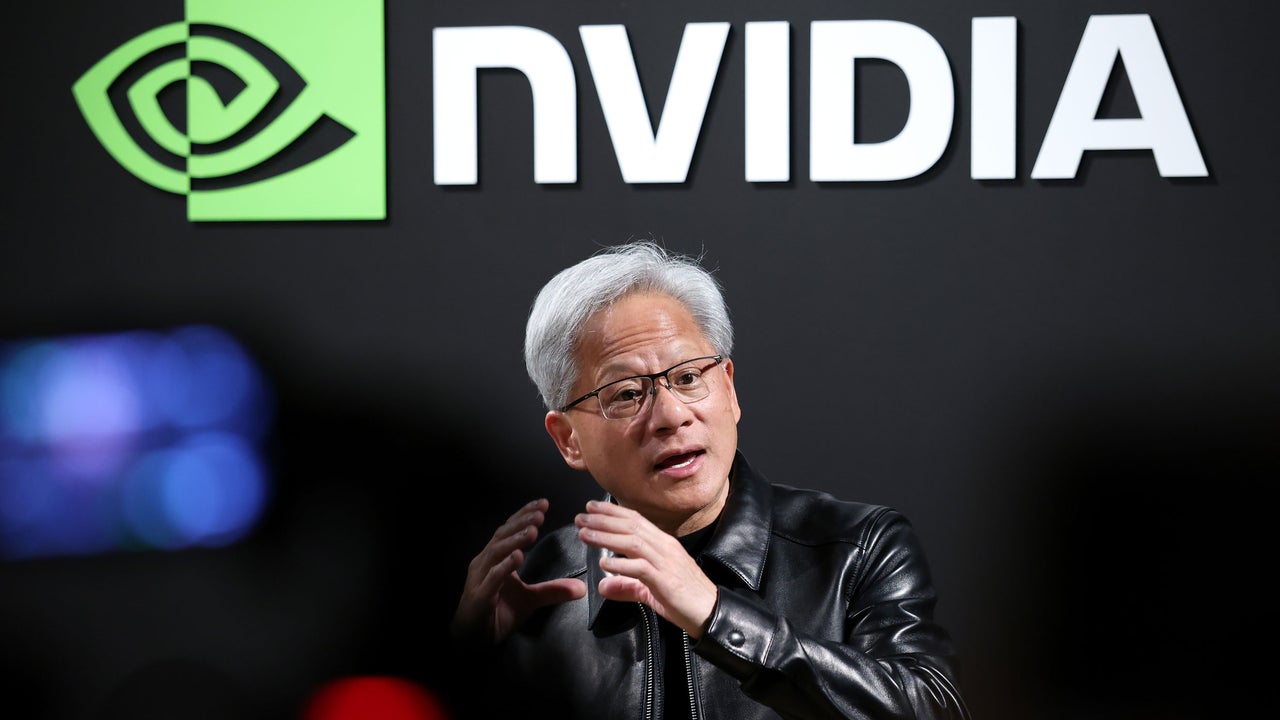
Nvidia has introduced a new AI security platform designed to stop autonomous AI agents from escaping their confines and potentially hacking into other systems. Partnering with over 100 companies like Cisco, Microsoft, and Intel, the initiative aims to build robust safeguards around AI deployment. The platform includes two key components: OpenShell, which restricts agent capabilities on central processors, and Sentry, which monitors and controls AI activity at the network level, acting instantly to quarantine any breach attempts. Nvidia CEO Jensen Huang likened this to creating a "browser for agents," where AI rights are limited and granted only as needed, to prevent unauthorized access. He highlighted that these tools, which took nearly a year to develop and are open source, could have prevented notable incidents such as the Hugging Face breach. Huang also emphasized the need for industry-wide collaboration to identify and fix vulnerabilities, while expressing cautious optimism about AI’s future balanced with potential regulatory standards to ensure safety and trust.
Dr. André Martin, an organizational psychologist, shares five vital insights from his book Collective Confidence: The Winning Formula of the World’s Best Teams. In today’s fast-changing world, having a strong team is crucial as no one can thrive alone. Leading isn’t about having all the answers but about building collective confidence.
Key points include:
- The team is the core unit of performance. Teams thrive not because individuals shine alone but because they believe in their joint capability to solve challenges.
- Confidence can’t be gained only through motivation; it grows through small wins and shared experiences.
- Every team member must understand why their unique contributions matter.
- Borrowing brilliance from others, such as learning from past successes and industries, can elevate team performance.
- Empower everyone to lead in their own area, building shared leadership and collaboration.
These principles are illustrated through stories ranging from the grassroots rescuers during Hurricane Harvey to innovative teams at Google and entrepreneurial efforts turning passions into thriving businesses.

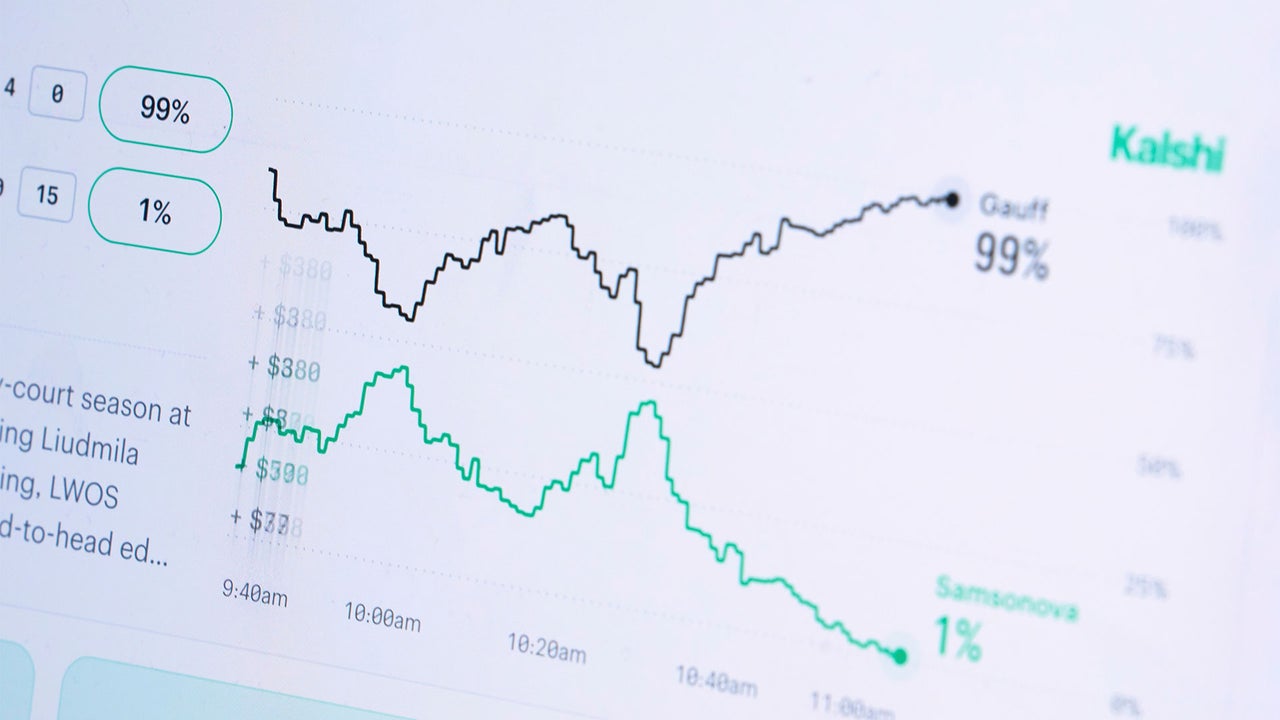
New York has filed a lawsuit against Polymarket, a prediction market platform, accusing it of running an unlicensed gambling operation without the state's approval. The lawsuit asks a judge to halt Polymarket's activities in New York and seeks fines and restitution for users. This legal move follows similar actions against other platforms like Kalshi, Coinbase, and Gemini, as states crack down on popular betting apps. Polymarket argues it differs from traditional gambling since users trade contracts based on event outcomes, akin to stock market activity. Governor Kathy Hochul emphasized the risks to underage users, while Polymarket vowed to defend its operation and commitment to New York. The Commodity Futures Trading Commission, which oversees these platforms federally, has yet to comment.
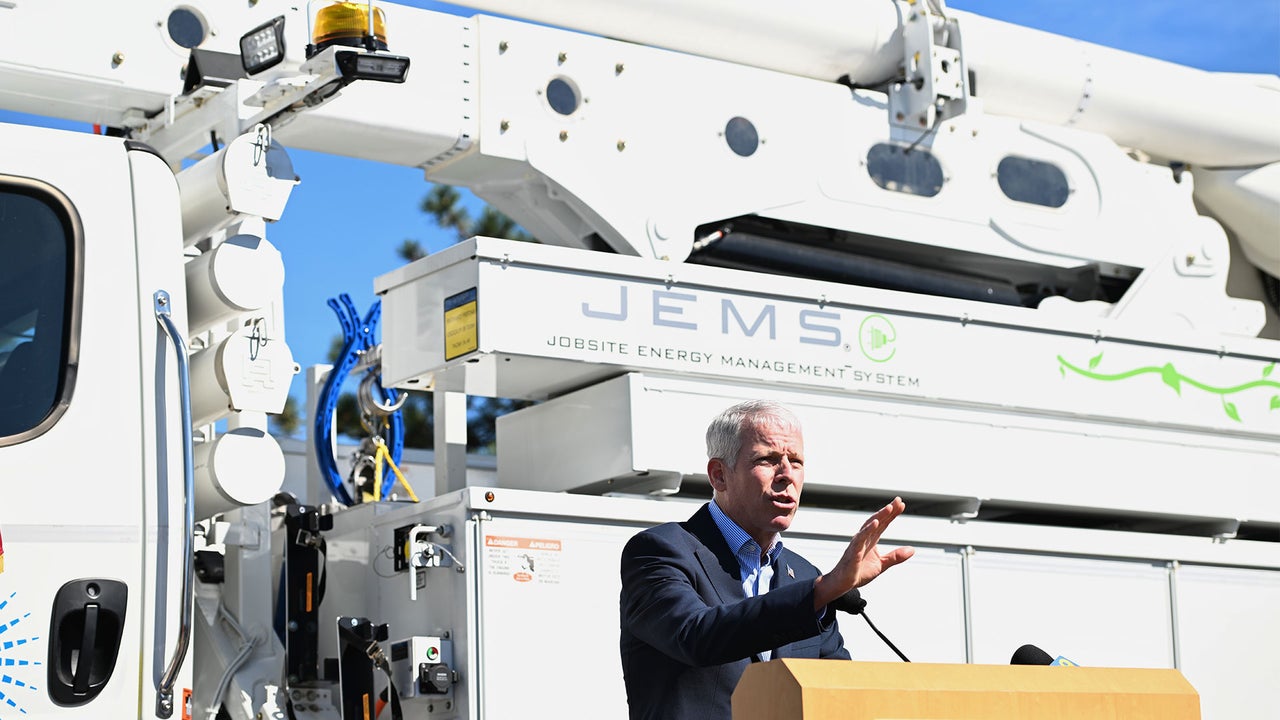
The U.S. Energy Department announced a $2 billion investment aimed at strengthening the nation's aging power grid through 31 projects in 26 states, expected to add over 23 gigawatts of electricity capacity—enough to power 16 million homes. These efforts focus on deploying advanced technologies like sensors for real-time weather monitoring to optimize electricity transmission and avoid congestion. The upgrades aim to boost power reliability and reduce costs for around 100 million Americans. The initiative comes amid rising electricity demand driven by the rapid growth of AI-powered data centers and addresses concerns that energy infrastructure may be overwhelmed. Some projects, such as a $71.5 million modernization of high-voltage lines in northern Pennsylvania, respond directly to surging local demand. Funding from the bipartisan infrastructure law will be matched by recipient contributions, with utilities, cooperatives, and state agencies receiving grants. The Energy Department hopes these improvements will be in place before winter to mitigate potential price spikes during extreme weather. The investments mark a significant step toward modernizing America's electric grid with cutting-edge technology while balancing political and environmental challenges around energy sources and data center expansion.
Mass layoffs in the tech industry often grab headlines, but beneath the surface lies a far more alarming issue: a sustained decline in labor participation. Take, for example, the story of Dan Coda, a technical program manager from Durham, NC, who after 300+ hours of job searching and dozens of applications, remains unemployed for six months. While his experience highlights individual struggles, aggregated data reveals a deeper crisis. Despite nearly two million Americans facing long-term unemployment—a figure unseen since the Great Recession—the overall unemployment rate remains deceptively low because many are leaving the workforce altogether. This drop in labor participation, especially among prime-age workers, has been ongoing for over two decades in tech, and AI's rise has intensified fears, prompting seasoned workers to exit the industry. The problem is that companies haven't replenished their talent pipelines, which exacerbates this decline. Labor participation must become a key metric for forecasting economic health, as continued drops could ripple through inflation, consumption, and GDP growth. Businesses that leverage AI to enhance employee value rather than replace workers are likely to thrive as the market adjusts.

At a glance, New York City's tech sector seems robust, with giants like OpenAI, Anthropic, and Google expanding their presence. From 2008 to 2023, tech jobs surged by 160%, trailing only San Francisco’s rapid growth. Yet, despite this, entry-level tech positions have sharply declined by 49% since the public debut of ChatGPT and the onset of the AI boom. A report from the Center for an Urban Future reveals this reduction as the steepest among all sectors, even amid a steady stream of new graduates in computer science struggling to find openings.
Employers are increasingly favoring candidates with prior experience, shrinking the first rung on the career ladder and causing a ripple effect that limits opportunities for fresh talent. Entry-level roles most vulnerable to generative AI exposure have fallen 29%, while jobs less affected by AI, especially in security and data analysis, remain strong or are growing. Workers skilled in AI see heightened demand, with related job postings up 20%.
This trend mirrors broader national shifts where young workers face a growing employment gap in AI-impacted roles. Surveys show rising skepticism among younger adults about AI’s effect on job prospects. The impact extends beyond highly skilled workers, threatening traditional pathways for those without degrees aiming for white-collar positions.
For New York City, where tech jobs have previously enabled economic mobility, the AI-driven changes signal a pressing need for reinvestment in workforce development to ensure inclusive access to future opportunities. The sector remains poised for growth, but the challenge lies in opening doors for the next generation of tech talent.

When you ask who leads AI transformation in a company, many point to executives or specialized teams. However, this perspective misses a critical component: the individuals closest to daily workflows. While leadership sets the strategic direction, the true transformation happens when employees actively rethink and reshape how work gets done using AI. These individuals, whom we call builders, come from various roles and levels—not just engineers—and they possess curiosity, proximity to the work, and an initiative to improve processes independently.
Leaders should focus on creating an environment that sets clear guiding principles around security and privacy but allows room for experimentation and innovation. Providing training, tools, and opportunities for employees to showcase successful AI-driven improvements encourages a culture where innovation thrives organically.
Furthermore, AI transformation must benefit not just the organization but also employees' professional growth by equipping them with valuable new skills. Lastly, measuring the success of AI initiatives should prioritize meaningful outcomes like faster project completion, higher productivity, and improved client satisfaction—not just metrics like usage or logins.
Ultimately, while executives define strategy and technology teams maintain infrastructure, it's the builders within the workforce who truly own AI transformation by reimagining workflows to create real impact.

Tjada McKenna, CEO of the organization now known as Prosper Global (formerly Mercy Corps), discusses the urgent humanitarian crises worldwide—from Nepal's floods to conflicts in Syria, Sudan, Ukraine, and Gaza. She explains the reasoning behind rebranding a 40-year-old aid group during a funding crisis, emphasizing the shift from mere survival aid to fostering long-term prosperity and sustainability. Prosper Global aims to reflect its evolved mission by supporting communities not just in emergency relief but also through innovative, market-driven solutions like cash assistance, seed insurance, and blockchain for identity management. McKenna highlights how global conflicts, such as the Strait of Hormuz tensions, disrupt food and fuel supplies in fragile countries, and stresses the importance of resilience in the face of climate-related and man-made disasters. This transformation underscores a commitment to empowering people to thrive rather than just survive, aligning with their ongoing work including efforts to protect Ukraine’s grain supply amidst wartime destruction.