


Anthropic is actively working to keep its Claude AI chatbot politically neutral, aiming to treat all political perspectives with equal fairness and depth. This initiative follows President Donald Trump's executive order promoting unbiased and truth-seeking AI models for government use. Anthropic has programmed Claude with guidelines to avoid unsolicited political opinions, maintain factual accuracy, and present multiple viewpoints. Using reinforcement learning, Claude is trained to avoid showing any political bias, striving for responses that do not identify as conservative or liberal. Anthropic has also developed an open-source tool to measure Claude's political neutrality, rating the latest versions highly compared to other AI models. The company emphasizes that fair AI models respect user independence and aid in forming unbiased judgments.


Rumors suggest Apple is developing a truly affordable MacBook, potentially priced as low as $599. This would mark a significant shift for Apple, known for its premium products. Instead of reusing existing MacBook Air components, Apple is reportedly creating a smaller laptop with a lower-resolution screen and a completely new design based on an iPhone processor, possibly the A19 chip.

Apple is set to enhance its AI-powered Siri using a tailored version of Google's Gemini AI model, reportedly paying around $1 billion annually for access. The new system will operate on Apple's Private Cloud Compute servers and utilize a 1.2 trillion-parameter model, significantly surpassing previous standards. While continuing to use its own models for some features, Apple aims to improve Siri’s capabilities in generating summaries and planning tasks. After considering models from OpenAI and Anthropic, Apple finalized a partnership with Google, with plans to release the updated Siri next spring and explore further AI integrations. Despite this collaboration, Apple continues to develop its own AI technology that may eventually replace Gemini.

Google Gemini’s Deep Research feature now integrates with your Gmail emails, Drive documents, and Google Chats to provide comprehensive research reports. This enhancement allows the AI to draw context from your emails, documents, slides, sheets, PDFs, and chat logs to perform deep research queries. According to Google, this is one of the most-requested features for Gemini Deep Research, designed specifically for generating detailed research reports rather than just answering questions.
The process begins with the chatbot creating a multi-step research plan and performing web searches to compile a report. Users can then request additional tweaks or export the final report to Google Docs or an AI-generated podcast. The integration enables users to analyze team brainstorming docs, email threads, project plans, and competitor data alongside public web information.
Users can select which data sources they want Gemini to access, including Google Search, Gmail, Drive, and Chat, to provide rich context for their research queries. Currently available on desktop, Google plans to roll out this functionality to mobile devices soon.
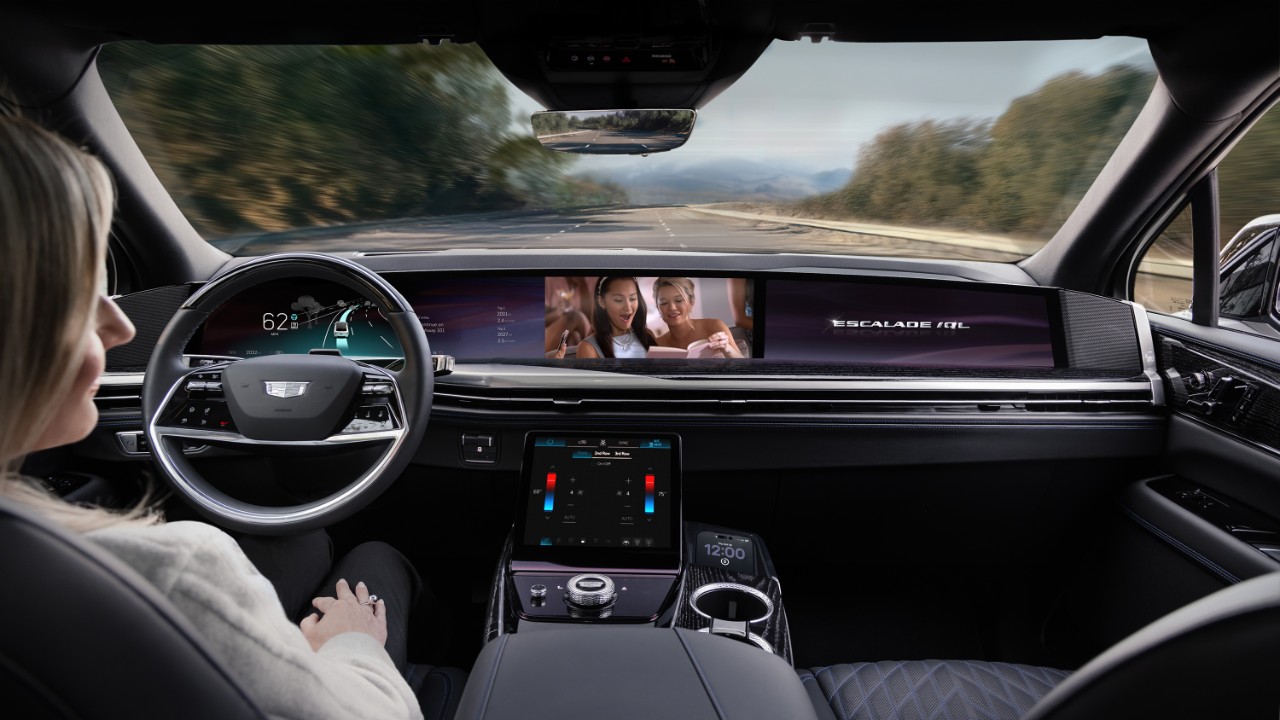
Imagine enjoying your favorite show while your Cadillac Escalade autonomously navigates the road. This future could be closer than you think, thanks to new 'eyes-off driving' technology. Last month, General Motors joined other automakers in developing this partially automated driving system. However, GM has yet to clarify how it will handle responsibility if the technology fails. Unlike distracted driving, GM's system aims to be a significant step toward fully autonomous vehicles, building on features like their existing Super Cruise system that allows hands-free driving under certain conditions.

Reports indicate that Netflix is actively investigating a potential bid for Warner Bros. Discovery's studio and streaming units. The company has reportedly hired a bank to assist in evaluating an offer and has gained access to Warner Bros. Discovery's financial data to make an informed bid. Other companies like Amazon and Apple are also rumored to be considering acquisition options. Netflix co-CEO Ted Sarandos emphasized that while Netflix generally focuses on organic growth and investment, it remains open to mergers and acquisitions that add value, though it is not interested in owning traditional media networks like CNN or TNT, owned by Warner Bros. Discovery.

Adobe showcased its innovative AI tools at the Max conference, featuring Project Frame Forward, which allows users to make changes to the first frame of a video and automatically apply those edits across the entire footage. This tool enables video editors to add or remove objects without the tedious process of masking by identifying and replacing content seamlessly throughout the video. For example, a person can be removed from the first frame, and the background will be naturally restored across all frames. Users can also insert new objects with AI prompts, which appear contextually aware within the scene.
Other AI tools include Project Light Touch, which redesigns lighting in photos by changing light direction, adding dynamic light sources, and adjusting light color, and Project Clean Take, which allows users to alter speech emotion, clarity, or rephrase words in audio without re-recording.
Additional experimental features presented include Project Surface Swap for changing object textures instantly, Project Turn Style for 3D-like rotation of image objects, and Project New Depths for editing photos with a 3D spatial awareness effect. While these tools are experimental and not yet available, some may become part of Adobe's Creative Cloud suite in the future.
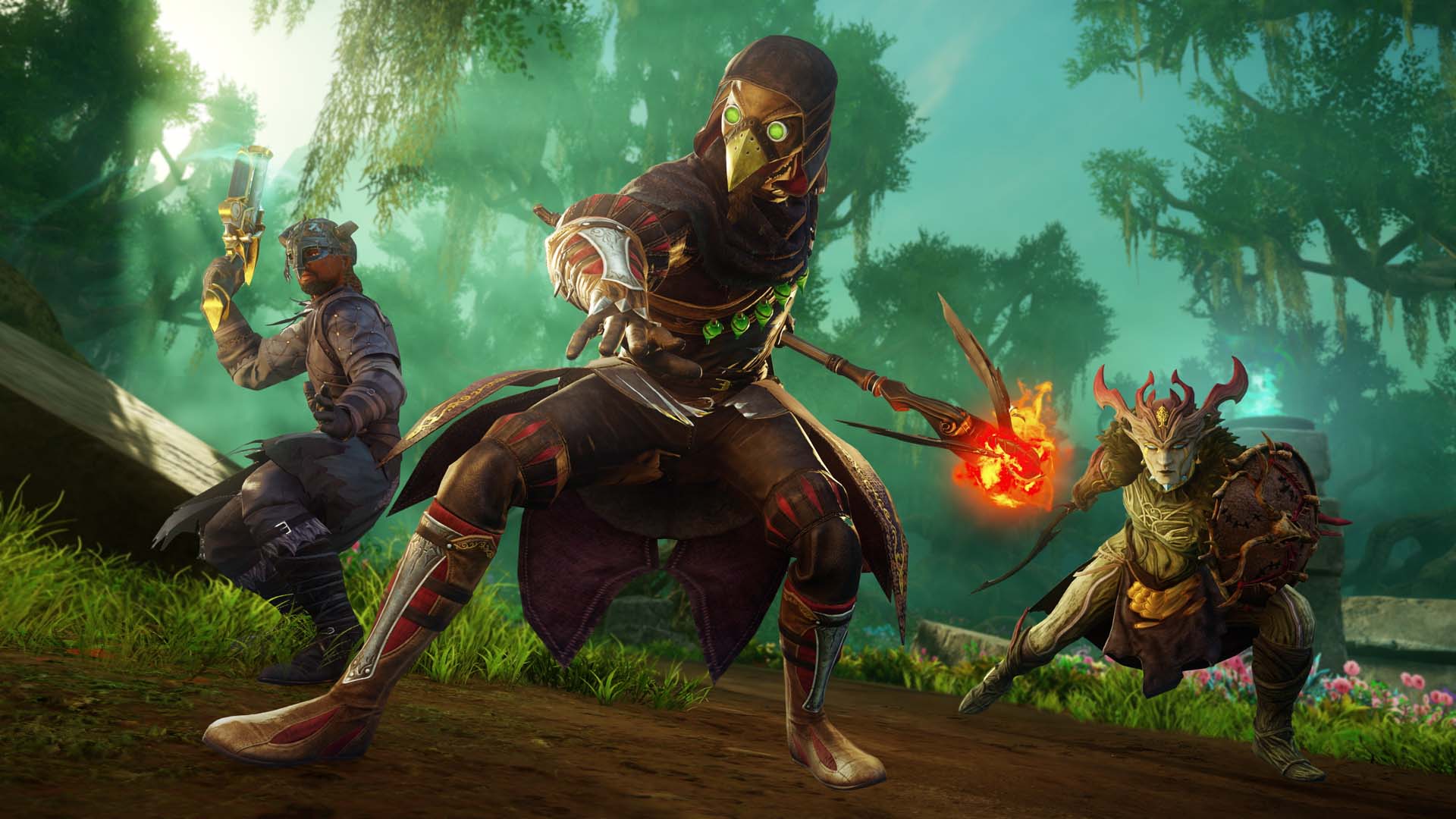
Amazon Game Studios is making major changes amid company-wide layoffs, halting much of its first-party AAA MMO development, including work on New World: Aeternum, which will no longer receive new content but will remain playable through 2026. Despite stopping new MMO development, Amazon will continue supporting externally developed MMOs like Throne and Liberty and Lost Ark with updates. The company is shifting focus toward casual, AI-driven games optimized for Luna, Amazon’s cloud gaming service, including recent releases like Courtroom Chaos starring Snoop Dogg. Other projects include a MOBA, March of Giants, and collaborations on a new Tomb Raider game and an open-world driving game. The changes reflect a strategic pivot toward gaming experiences that leverage Amazon's strengths in streaming and Prime member value.

YouTube announced updates to its policy that will age-restrict more videos showing graphic violence in video games starting November 17th. The changes will block access to users under 18 and those not signed in from viewing videos featuring scenes of mass violence or torture involving realistic human characters. YouTube will consider factors such as the duration and focus on violent scenes, as well as whether the characters appear to be real humans. Creators can avoid restrictions by blurring violent content or altering how missions are played. The update also expands restrictions to include online gambling content related to digital goods like skins, cosmetics, or NFTs, continuing efforts begun in March to limit gambling exposure to minors.

Senators Josh Hawley (R-MO) and Richard Blumenthal (D-CT) have introduced the GUARD Act, legislation aimed at restricting AI chatbot access for individuals under 18. The bill would require AI companies to verify users' ages through government IDs or other reasonable methods like face scans. It mandates chatbots to notify users every 30 minutes that they are not human and prohibits chatbots from producing sexual content for minors or promoting suicide. The legislation also enforces strict safeguards with penalties for violations to protect children from exploitative AI practices.