Meta is gearing up to debut a new smartwatch later this year, featuring health-tracking and AI capabilities. This release will coincide with an updated version of its Meta Ray-Ban Display smart glasses, as reported by The Information. The upcoming watch, dubbed Malibu 2, aims to enter the competitive wearable market ahead of the delayed mixed reality glasses project, known as Phoenix, now postponed until 2027 as Meta reevaluates its AR and MR development strategies. This move follows Meta's previous cancellation of an earlier smartwatch in 2022, attributed to technical and budgetary challenges. If successful, Malibu 2 will position Meta as a more direct competitor to Apple in the wearable technology space.
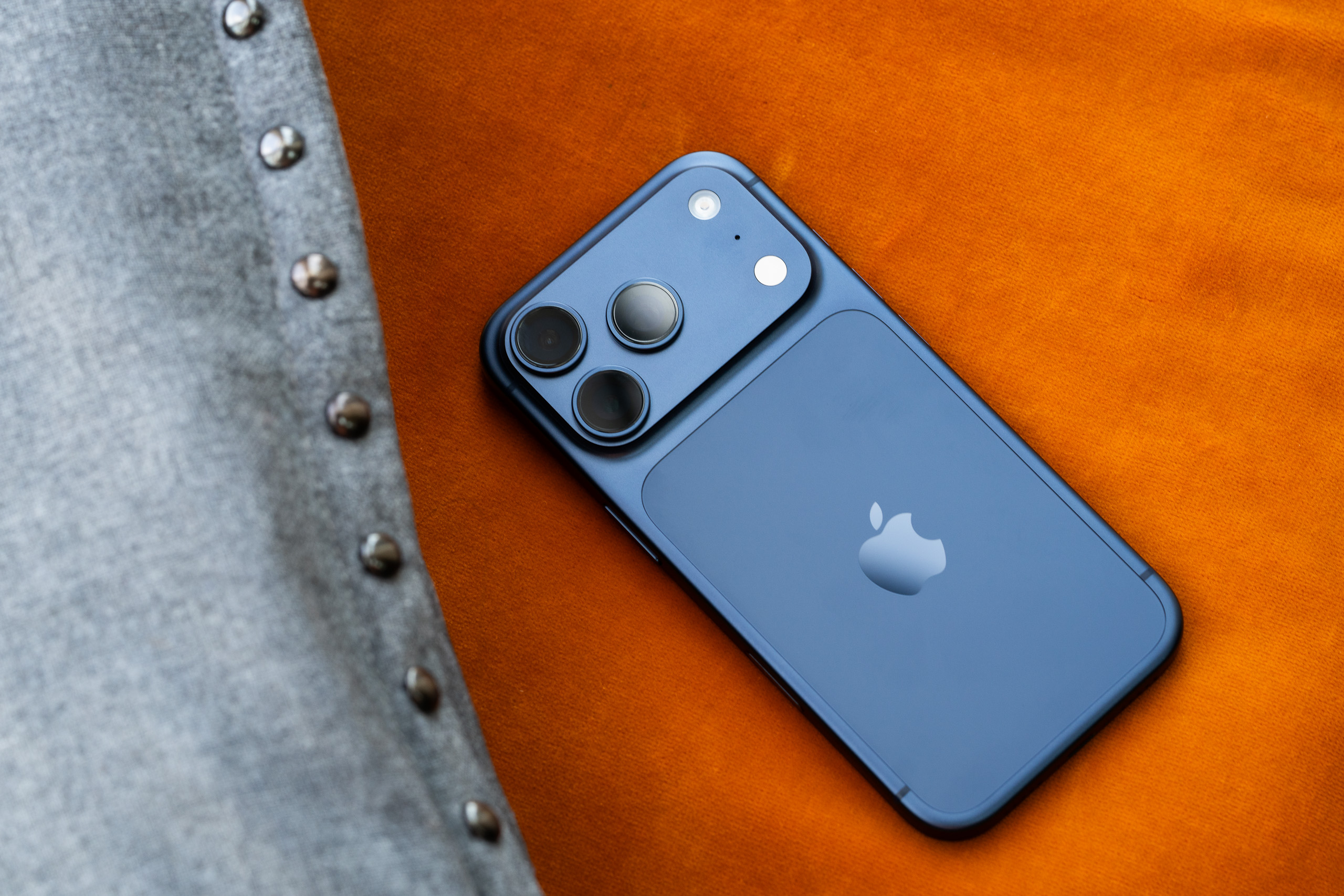
Apple plans to introduce a new range of AI-enhanced accessories including their first smart glasses, an AI-enabled pendant, and AirPods equipped with cameras. According to Bloomberg's Mark Gurman, these devices will integrate with the iPhone and enable Siri to interpret visual input for smarter interactions. Production for the smart glasses is expected to start by December, targeting a release in 2027. These glasses are designed to compete with Meta's offerings, featuring speakers, microphones, and a high-res camera for capturing images and video.

Google has introduced a new feature to its AI-powered search tools that makes source links more visible and informative. Robby Stein, Vice President of Google Search, revealed that when users hover over source links in AI Overviews and AI Mode on desktop, a pop-up will appear showing a list of linked articles accompanied by descriptions and images. This update also brings more descriptive and noticeable link icons to AI search responses on both desktop and mobile platforms. According to Stein, user testing indicates this design is more engaging and facilitates easier access to quality content across the web.

Apple has started experimenting with end-to-end encrypted RCS messaging in the latest developer beta of iOS 26.4. This feature, initially announced last year, aims to enable secure messaging between iPhone and Android users by encrypting RCS messages across platforms. At this stage, Apple is only testing the encryption between its own devices, and the feature isn't yet compatible with other platforms. The encrypted RCS messaging won't be available in the iOS 26.4 public release but will arrive in a future update.
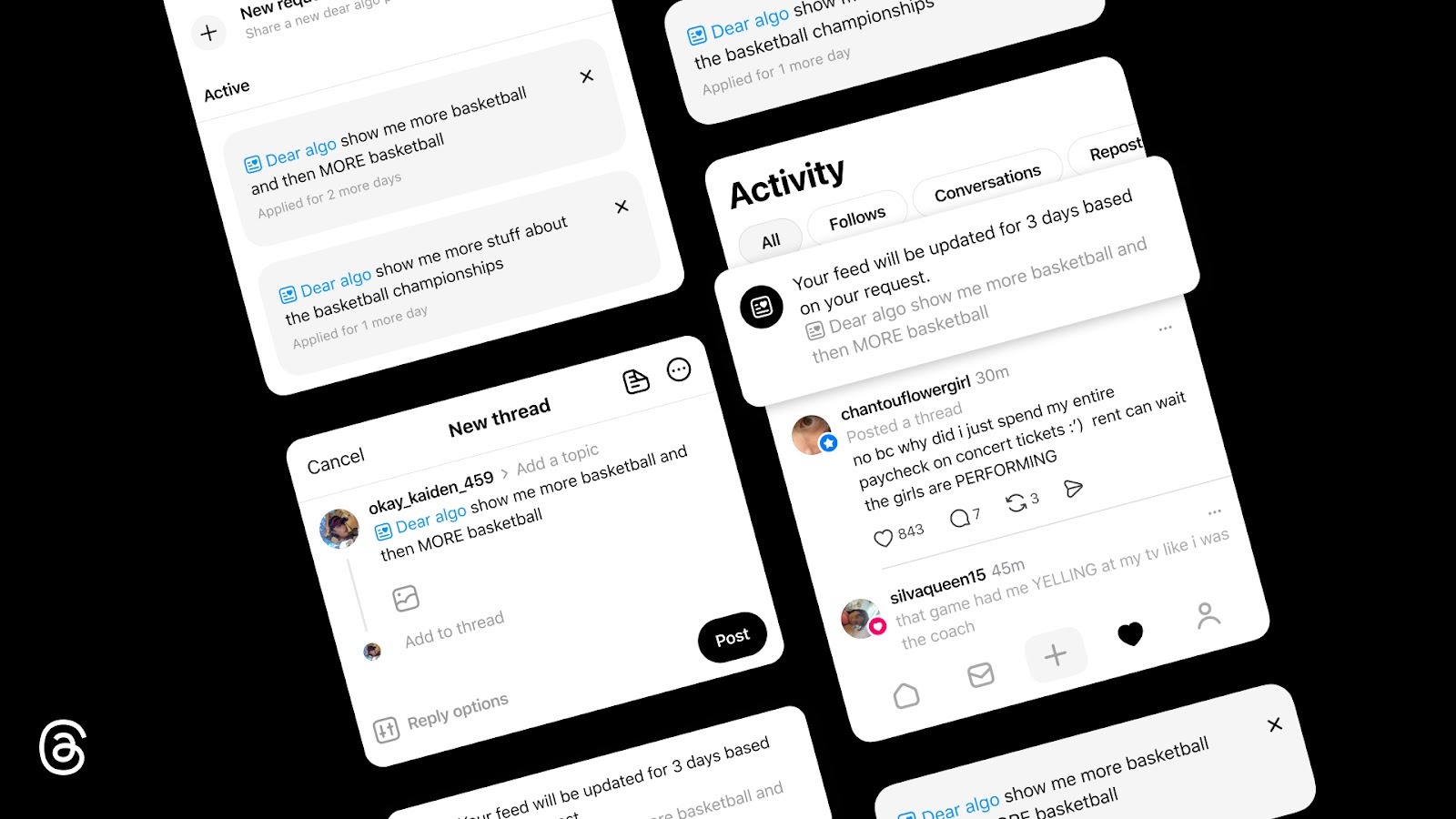
Threads has launched a new feature called 'Dear Algo' in the US, allowing users to shape what appears in their feed by posting a message addressed to the algorithm explaining their preferences. This new tool is part of Meta's broader initiative to give users more influence over the content recommended across its platforms. Inspired by organic user posts with the phrase 'Dear Algo,' this feature was first tested in Australia, Canada, New Zealand, and the UK, and is now being expanded to the US market. Meta plans to refine the experience further based on user feedback before wider availability.
Microsoft has resolved a critical security issue in Notepad related to Markdown files. The flaw, identified as CVE-2026-20841, could have allowed attackers to execute remote code by tricking users into clicking malicious links embedded within Markdown files opened in Notepad. These links could launch unverified protocols, permitting attackers to load and run harmful files remotely. Although Microsoft has found no evidence of this vulnerability being exploited in real-world scenarios, the company released a patch to prevent possible attacks, enhancing user security.

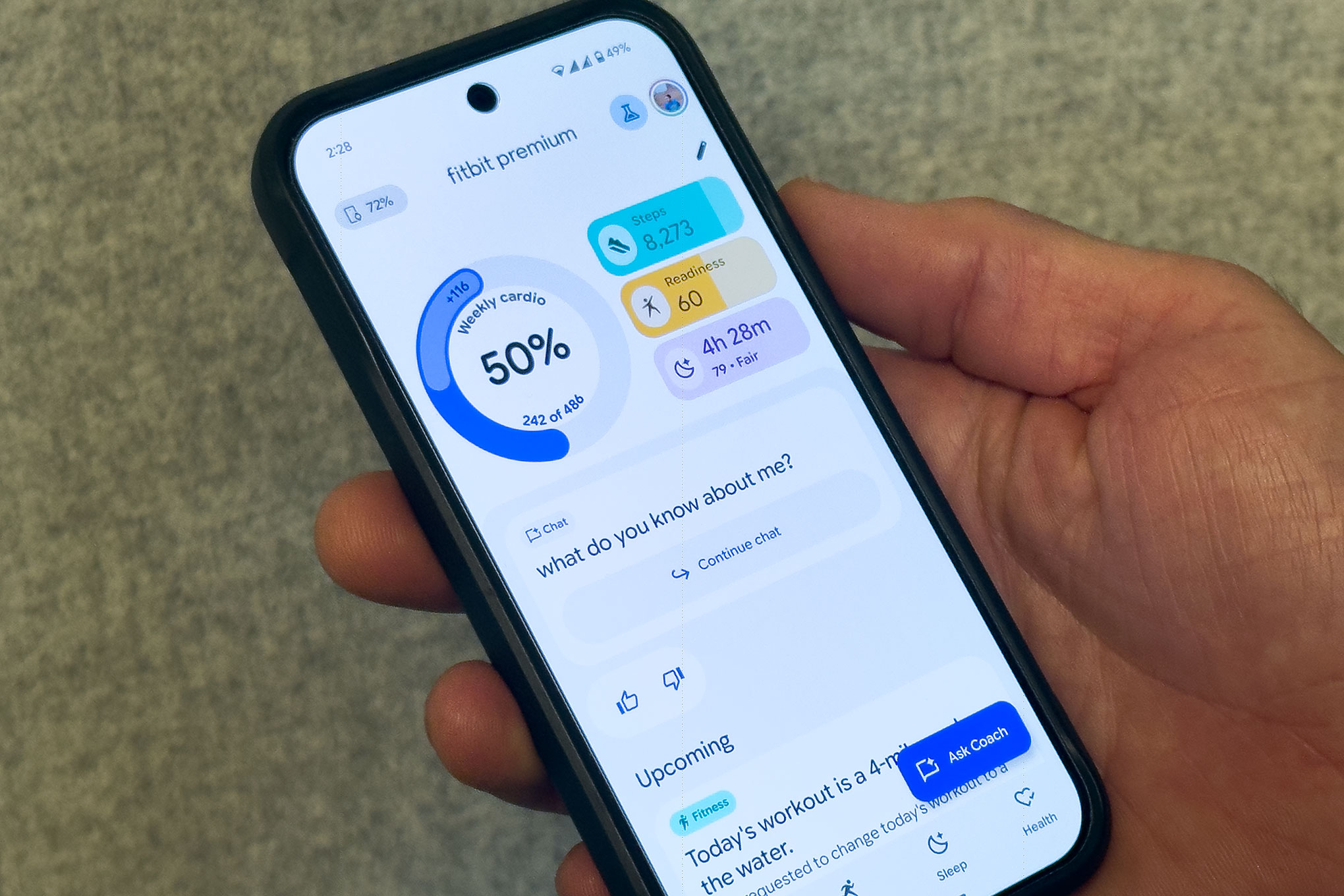
Google revealed on Tuesday that Fitbit's AI-powered personal health coach is now publicly available in preview on iOS devices in the U.S., and on both iOS and Android in the UK, Canada, Australia, New Zealand, and Singapore. This update marks a significant revamp of the Fitbit app, featuring a conversational interface driven by Gemini AI. The coach analyzes recent health data to build personalized routines and workouts tailored to individual goals, available equipment, and preferences. Originally launched in October for Android users in the U.S. only, it is now expanding to more platforms and regions. To enjoy the new features, users must have an active Fitbit account and compatible device.
OpenClaw, a rapidly growing AI assistant, is under scrutiny after researchers found malware in numerous user-created skill add-ons on its platform. Jason Meller, VP of 1Password, highlights that OpenClaw's skill marketplace has become vulnerable, with the most popular extension acting as a conduit for malware. Originally named Clawdbot and Moltbot, OpenClaw offers practical features like calendar management and inbox organization by running locally on users' devices, but these recent security issues pose serious risks.
Alphabet, Google's parent company, has surpassed $400 billion in annual revenue for the first time, as revealed in its Q4 2025 earnings report. This milestone comes alongside a 15 percent year-over-year revenue increase, fueled by strong performances in its cloud division and YouTube platform. Google's Cloud business hit a $70 billion run rate in 2025, while YouTube's combined ad and subscription revenue topped $60 billion. CEO Sundar Pichai highlighted YouTube's status as the leading streaming service, referencing Nielsen's data to support the claim.

In its latest update, Apple has woven AI coding tools from OpenAI and Anthropic directly into Xcode 26.3, the development environment for Apple devices like iPhone and Mac. With this integration, developers can now leverage Anthropic's Claude Agent and OpenAI's Codex not only to get coding help, but also to automatically write, edit code, update settings, and search documentation within the app itself. This marks a shift from AI offering only advice to taking real actions in the coding process. The update also hints at broader model availability, enhancing the Xcode experience for app creators.