WhatsApp is trialing a new paid subscription service named WhatsApp Plus, costing around €2.49 per month. This service offers users cosmetic enhancements such as 18 new chat themes, customizable app icons, exclusive ringtones, and the ability to pin more chats. This move follows Meta's introduction of Instagram Plus, which rolled out in select regions on March 30. These paid tiers mark Meta's first coordinated launch of consumer subscriptions across its major apps.

After nearly 15 years of leadership, Tim Cook will step down as Apple's CEO on September 1. During his tenure, Apple saw its market value soar from $348 billion to around $4 trillion, and its annual revenue quadrupled to $416 billion. John Ternus, Apple's SVP of hardware engineering responsible for about 80% of the company's revenue-generating products, will succeed Cook as the new CEO.

At Adobe Summit, Semrush introduced its Brand Visibility Framework, highlighting 'Agentic Search Optimisation' as a groundbreaking approach to assess brand presence across AI-generated responses, traditional search results, and autonomous AI agents. This innovation is based on data from 213 million large language model prompts. The launch comes in response to significant declines in organic click-through rates—61% on queries featuring AI Overviews and a noted impact on 62% of brands.

Meta is set to initiate a large-scale layoff on 20 May, impacting around 8,000 workers, which accounts for 10% of its current workforce of nearly 79,000 employees. This marks another phase in a series of workforce cuts that have totaled approximately 25,000 since 2022. The company is shifting its focus and financial resources toward expanding its AI infrastructure, with planned investments between $115 billion and $135 billion. Further staff reductions may occur in the latter half of 2026 as part of this strategic realignment.

According to Stanford's 2026 AI Index Report, the performance gap between leading American and Chinese AI models has sharply narrowed to just 2.7%, a significant drop from 17.5-31.6 percentage points in May 2023. This improvement comes even though the US invests 23 times more in private AI funding ($285.9 billion compared to $12.4 billion). Additionally, China dominates the AI patent landscape, holding nearly 70% of global patents.

The Trump administration is actively working to stop states from imposing their own AI regulations. They're using a DOJ litigation task force and Commerce Department assessments to label state laws as "burdensome." Additionally, the administration is advocating for a federal legislative framework to override state rules with a national standard that's "minimally burdensome." Despite these efforts, states are moving forward, having already implemented more than 1,200 AI-related laws and regulations, signaling a clear resistance to federal control.

The Federal Aviation Administration is working on SMART, an AI-driven system designed to enhance air traffic conflict prediction from 15 minutes to two hours. Key players in the competition to build this predictive technology include Palantir, Thales, and startup Air Space Intelligence. This initiative arises after a critical LaGuardia accident highlighted issues like controller fatigue and outdated systems, pushing the FAA toward modernization.

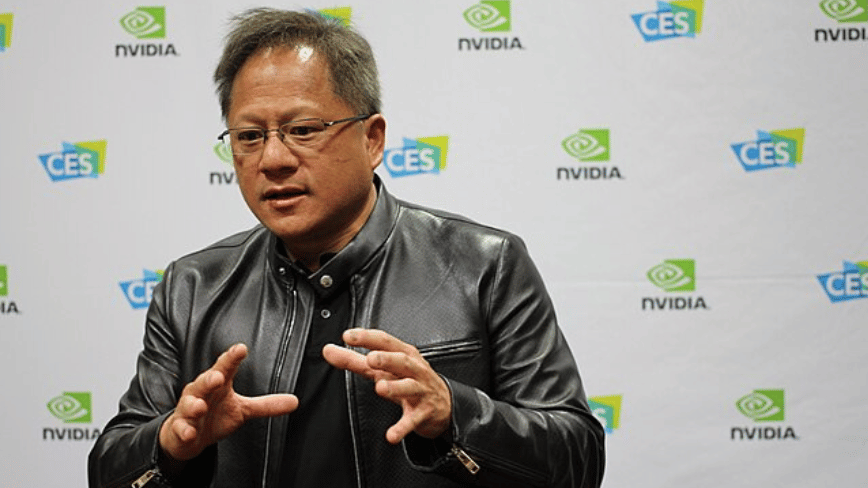
Nvidia CEO Jensen Huang expressed strong concerns on the Dwarkesh Podcast about DeepSeek's decision to optimize its AI models for Huawei’s Ascend 950PR processor instead of US-made hardware. He warned this shift could have serious negative implications for the United States, labeling it a “horrible outcome.” This move comes as DeepSeek prepares to launch its new V4 foundation model on Huawei’s technology, challenging Nvidia’s dominance in AI chip hardware.
The European Investment Fund is launching a €15 billion fund of funds named ETCI 2, designed to potentially unlock up to €80 billion for scaling companies across Europe. Germany’s WIN initiative aims to mobilize €12 billion by 2030, while France’s Tibi program has committed €7 billion in private investment, backing 92 VC and growth funds so far.

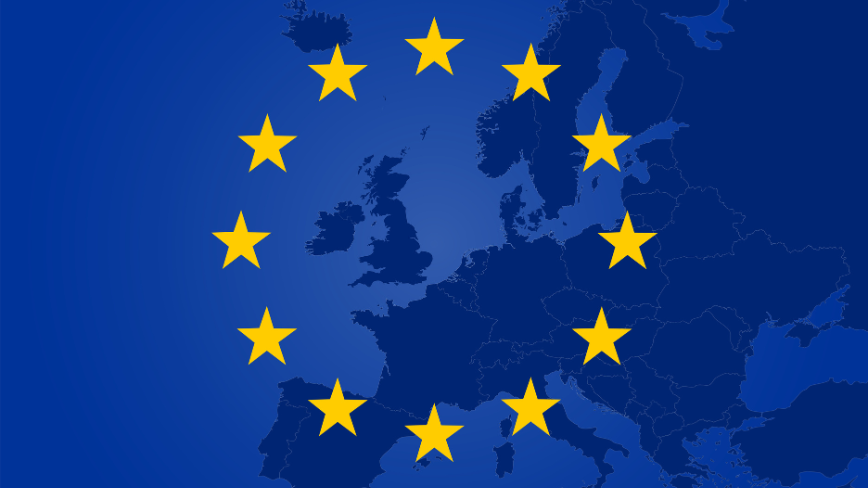
The European Commission has selected Post Telecom (partnering with CleverCloud and OVHcloud), StackIT, Scaleway, and Proximus (in collaboration with S3NS, a Thales-Google Cloud joint venture, plus Clarence and Mistral) to deliver its six-year sovereign cloud framework contract worth €180 million. Notably, Proximus’ involvement indicates that non-European technology can meet 'sovereign' criteria if operated under strict European governance standards.