Eindhoven-based neurotechnology firm ONWARD Medical has successfully raised €40.6 million to finance its pivotal Empower BP trial, investigating the efficacy of its implantable ARC-IM® system for managing blood pressure instability following spinal cord injury. The funding will also support the broader commercial expansion of its cleared ARC-EX® external therapy system. With this investment, the company's cash runway is expected to extend through Q1 2028.

Dropbox has introduced three new applications within ChatGPT: a Dropbox file app, a Dropbox Dash enterprise search tool, and a Reclaim AI-powered calendar app. These integrations allow users to manage their files, perform business searches, and schedule tasks seamlessly within the AI platform, enhancing productivity by keeping workflows inside ChatGPT without switching interfaces.

Allbirds is making a sharp pivot from its sustainable footwear roots to the tech world by rebranding as NewBird AI. After selling its shoe business to American Exchange Group for $39 million, the company is now focusing on offering GPU-as-a-service cloud computing solutions. They have also raised $50 million through convertible financing. Following a remarkable 600% spike in its stock price, which then dropped by around a third, NewBird AI plans to lease GPUs to companies developing AI applications.

Canva and Anthropic have unveiled Claude Design, a cutting-edge product from Anthropic Labs fueled by Claude Opus 4.7. This innovation leverages Canva’s Design Engine to create fully editable, brand-consistent visuals directly from text prompts. The launch aligns with Canva AI 2.0, which the company hails as its most significant product rollout yet, featuring conversational design and advanced agentic orchestration capabilities.
Anthropic's CEO, Dario Amodei, is scheduled to meet with White House Chief of Staff Susie Wiles to discuss gaining access to Mythos, an advanced AI model capable of identifying numerous zero-day security vulnerabilities in major operating systems and browsers. This discussion comes amid tensions following Anthropic's blacklisting by the Pentagon after Amodei's refusal to remove safety features from the model.
STORM Therapeutics, a clinical-stage biotech firm based in Cambridge, has raised $56 million in a Series C funding round led by existing investors such as Pfizer Ventures and M Ventures. Their lead compound, STC-15, is the first RNA-modifying enzyme inhibitor to enter human trials, demonstrating durable tumor regression in Phase 1 across various sarcoma subtypes. The funds will support ongoing development targeting RNA modifications in cancer therapy.

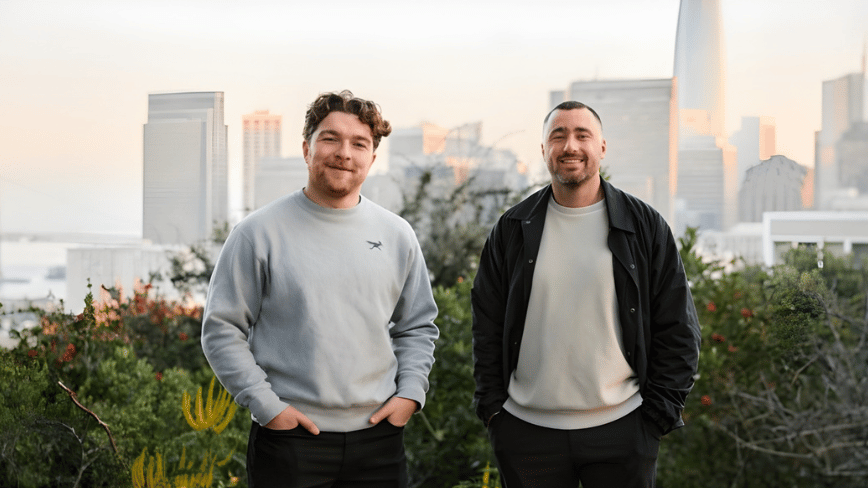
Slash, a vertical banking platform founded by two college dropouts, has secured $100 million in Series C funding led by Khosla Ventures and Ribbit Capital. The San Francisco-based fintech's valuation has nearly quadrupled since its May 2025 Series B round, marking a remarkable comeback after a sudden collapse of its initial market. This latest funding round highlights the company's successful pivot and strong growth trajectory in the fintech space.

Solidroad, a startup based in Dublin and San Francisco and founded by former Intercom team members, has closed a $25 million Series A funding round led by Hedosophia. The company leverages AI to transform customer support quality assurance by analyzing every single customer interaction, a stark contrast to the industry average of reviewing just 1-3%. Among its clientele are notable brands like Ryanair, Crypto.com, and Oura, showcasing the platform's wide adoption and impact.
Elizabeta Gjorgievska Joshevski's professional journey spans continents and leadership roles, with a deep focus on the intersection of technology and business results. As the founder and CEO of EverCognitive, she navigates an evolving AI landscape, helping enterprises define and implement AI strategies that drive real-world impact.

Security researcher Aonan Guan exploited prompt injection vulnerabilities in AI agents from Anthropic, Google, and Microsoft through their GitHub Actions setups, successfully stealing API keys and tokens. Each company rewarded the findings with bug bounties—Anthropic paid $100, GitHub $500, and Google an undisclosed amount. Despite these payouts, none of the companies issued public advisories or disclosed the flaws to the broader community.