


After reaching a settlement with the Federal Trade Commission, Clarifai deleted 3 million photos originally provided by OkCupid to develop facial recognition AI. The data sharing took place in 2014 when Clarifai requested OkCupid’s photo database, facilitated by executives from OkCupid who had invested in Clarifai, as detailed in court documents.

Vercel revealed that its recent security breach was a result of a prior attack on Context AI. This intrusion enabled hackers to take control of a Vercel employee's account and access customer data.

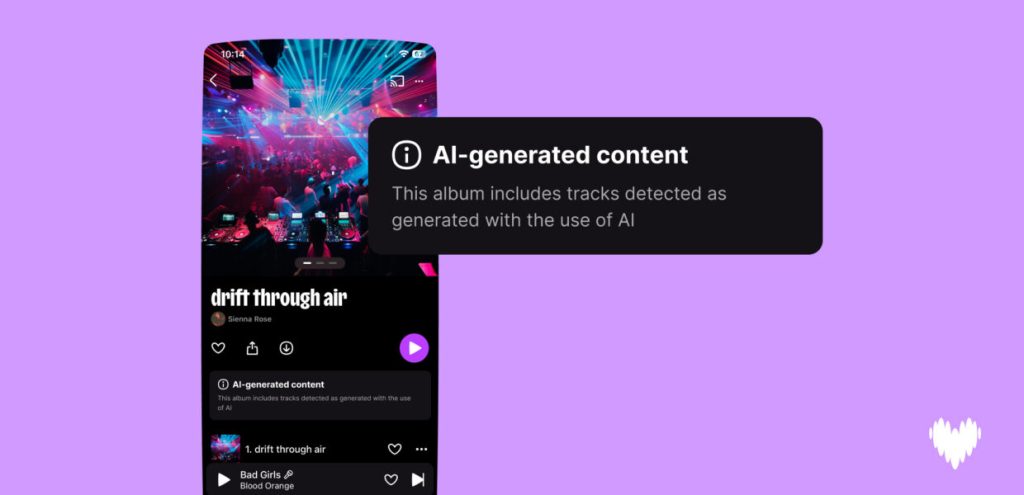
Deezer reveals that 44% of songs uploaded daily to its platform are created using AI technology. Despite this high upload rate, AI-generated tracks account for only 1-3% of total streams on the service. Moreover, Deezer has identified that 85% of these AI streams are fraudulent and consequently demonetized to maintain platform integrity.
Reports indicate that the NSA is employing Anthropic's guarded Mythos AI model, even as tensions persist between Anthropic and the Pentagon.
The recent cyberattack on Kelp DAO marks the largest cryptocurrency theft recorded this year, with North Korean hackers identified as the culprits behind the $290 million heist.

The phrase structure "It's not just this — it's that" has become so frequently used in AI-generated content that it serves not only as a hint but almost as a definitive sign of synthetic writing.

The latest update to Google Photos brings new quick-edit tools that let users effortlessly enhance their photos. These include options to remove blemishes, smooth skin texture, brighten eyes, and whiten teeth, streamlining the touch-up process for more polished pictures.

Many AI startups emerge because foundational AI models have yet to penetrate their specific niches. However, as industry insiders often joke, this period of opportunity won't be available indefinitely.

In the latest episode of Equity, we explore OpenAI's recent acquisitions and analyze how these moves aim to solve two major existential challenges facing the company.
Airwallex and Stripe, once operating smoothly in separate regions with distinct customer bases, are now stepping into each other's markets and competing directly. This marks a significant shift from their previous paths, where collaboration seemed possible, to a new phase of rivalry.
