Parallel Web Systems, an AI agent-tool startup founded by former Twitter CEO Parag Agrawal, has secured $100 million in funding led by Sequoia. This latest round comes just months after the company raised an additional $100 million, boosting its valuation to $2 billion within five months.

Otter's latest feature enables users to integrate and search through their data from Gmail, Google Drive, Notion, Jira, and Salesforce alongside their meeting notes. The company plans to expand this capability soon to include Microsoft Outlook, Teams, SharePoint, and Slack, enhancing cross-platform data accessibility.
Tank OS integrates OpenClaw AI agents into a containerized environment, significantly improving reliability and security for organizations managing multiple deployments.

Snapchat users can now engage directly with AI-driven brand agents within the app, enabling them to ask questions and receive tailored recommendations instantly.

Australia has implemented a policy that encourages Big Tech companies to pay for news content by imposing a 2.25% tax if they do not engage in deals with media outlets. The more agreements these platforms reach, the lower the effective tax rate drops, potentially down to 1.5%. This strategy is expected to return between A$200 million and A$250 million to support Australian journalism.

The U.S. Supreme Court is set to decide on the permissibility of law enforcement accessing broad data from tech companies to identify suspects through ‘geofence’ warrants, a method that casts a wide net over user information.

After Anthropic declined the Department of Defense's request to use its AI technology for purposes including domestic surveillance and autonomous weapons, Google stepped in to establish a new partnership with the DoD. This move expands Pentagon's access to cutting-edge AI capabilities through Google's technology.

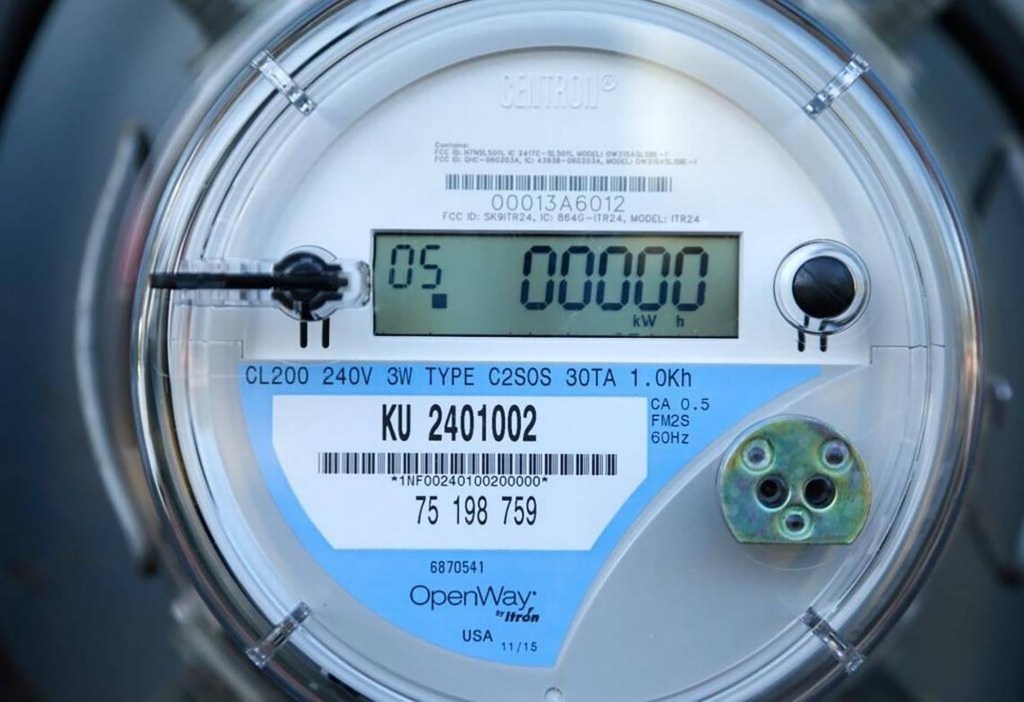
Itron, a major American technology firm specializing in water and energy monitoring and utility metering, has revealed that it experienced a cybersecurity breach. The company serves hundreds of millions of residential and commercial customers with its essential infrastructure technologies.
European governments are increasingly aiming to reduce their dependence on American technology providers, seeking to bolster their own sovereign tech capabilities.

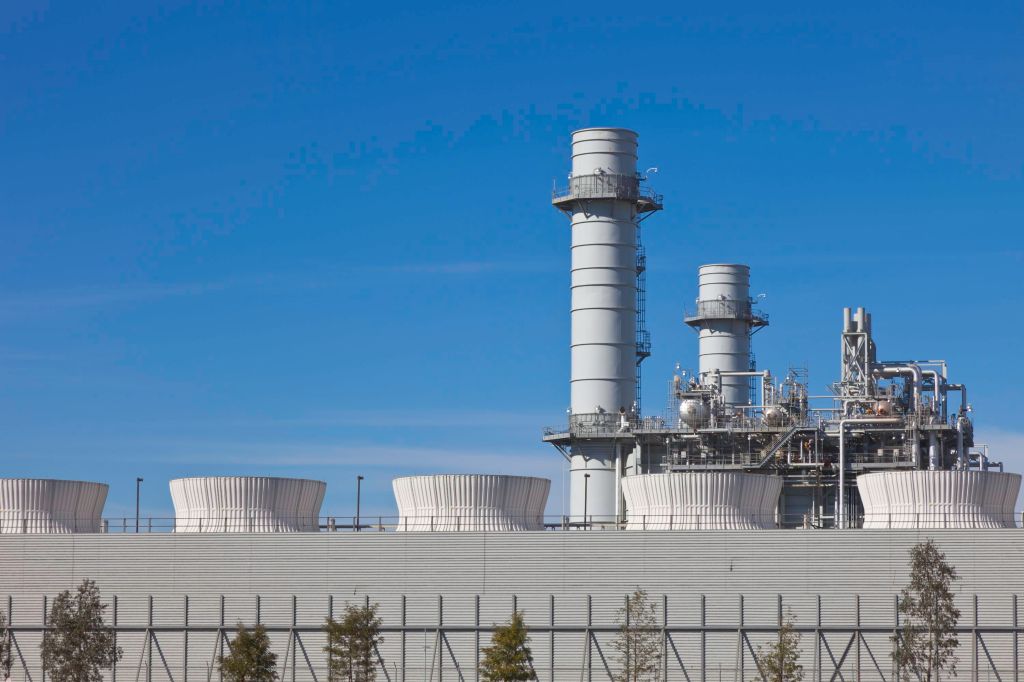
Over the past two years, the cost of natural gas power plants has nearly doubled and construction times have increased by 23%, driven by a sharp rise in electricity demand from data centers.