


In an interview with TechCrunch, Crunchbase’s head of research Gené Teare highlighted that despite Black founders securing the highest quarterly funding since 2022, they still face significant obstacles. The key barriers include limited access to important networks, relationships, and early-stage introductions essential for growth and investment.

While AI tools are accelerating the coding process for developers, experts caution that the quality of code produced might not be improving correspondingly. This heavy dependence on AI could lead to challenges in the future as bugs or design flaws might be overlooked.

Ahead of its upcoming IPO, SpaceX disclosed that government contracts already account for one-fifth of its anticipated 2025 revenue, following the announcement of $6.45 billion in new agreements with the Space Force.

TikTok appears to be expanding its role to become the primary app where users conduct most of their digital interactions, moving beyond just short videos to a broader range of services.

"If you're 22 and developing AI in San Francisco, chances are you already have a seed term sheet waiting. But if you're just 19, that's a strong signal you're exceptional—you might even be looking at a Series A offer," one top VC remarked with a mix of humor and awe.

SoftBank announced its intention to invest up to €75 billion to develop and run additional data center infrastructure in France. The company aims to increase its data center capacity by up to 5 gigawatts, bolstering the region's digital infrastructure capabilities.

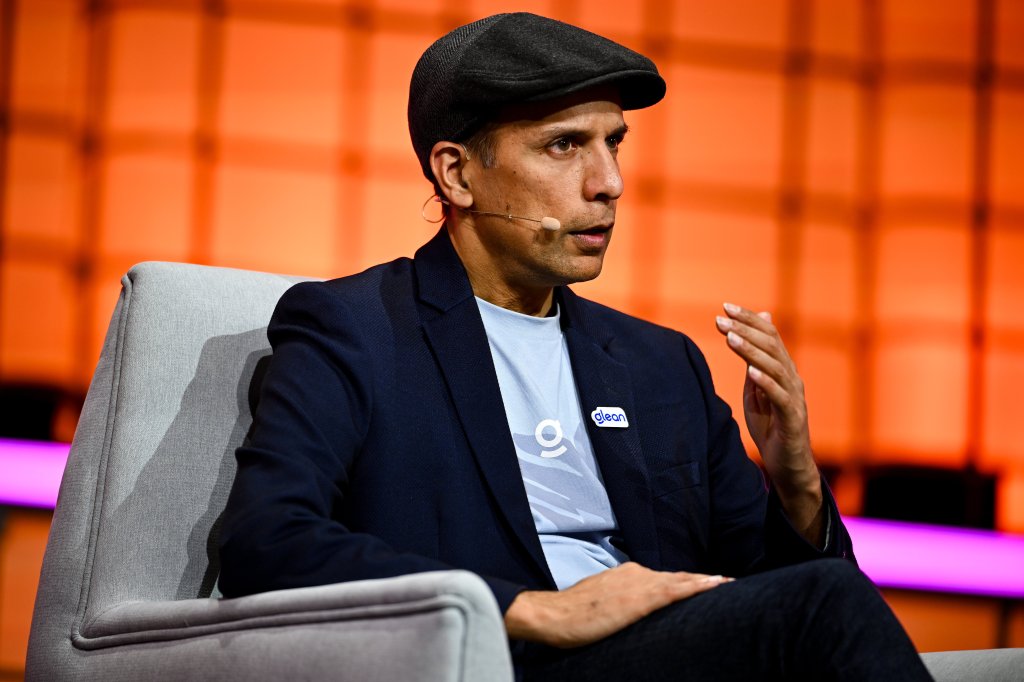
Glean, an enterprise AI search startup, has tripled its annual revenue, reaching over $300 million. This growth comes despite increased competition from major tech companies entering the AI search market. A key factor in Glean's success is its focus on helping clients reduce AI budgets, positioning cost efficiency as a core selling point.
South Korean chip startup XCENA has secured $135 million in funding, focusing on overcoming what it identifies as AI's primary constraint: memory limitations rather than computing power. The company aims to innovate in memory technology to enhance AI performance.

Cognition has developed Devin, a leading AI coding assistant known for its effectiveness. However, renowned programmer Scott Wu stresses that Devin is created to assist human developers, not to replace them.
Groq, the chipmaker, is planning to secure $650 million in private funding as it shifts its business strategy from traditional hardware to concentrating on AI inference. This shift aims to enhance the efficiency of AI models in processing and responding to prompts, according to Axios. The move comes after Nvidia's recent $20 billion investment maneuvers in the AI chip sector, marking a significant pivot for Groq toward advancing AI technology.
