


The Department of Justice reports that Kaiser Permanente systematically manipulated patients' medical records to portray them as more severely ill, thereby increasing their claimed Medicare revenue.

The FDA has announced the first nine recipients of priority review vouchers. These vouchers expedite the review process for drugs that address key national health priorities, aiming to bring important treatments to market faster.

Starting this January, California will begin selling affordable insulin pens directly to consumers. This groundbreaking initiative is the first by any state to bypass pharmaceutical companies' control and address the high cost of diabetes treatment.
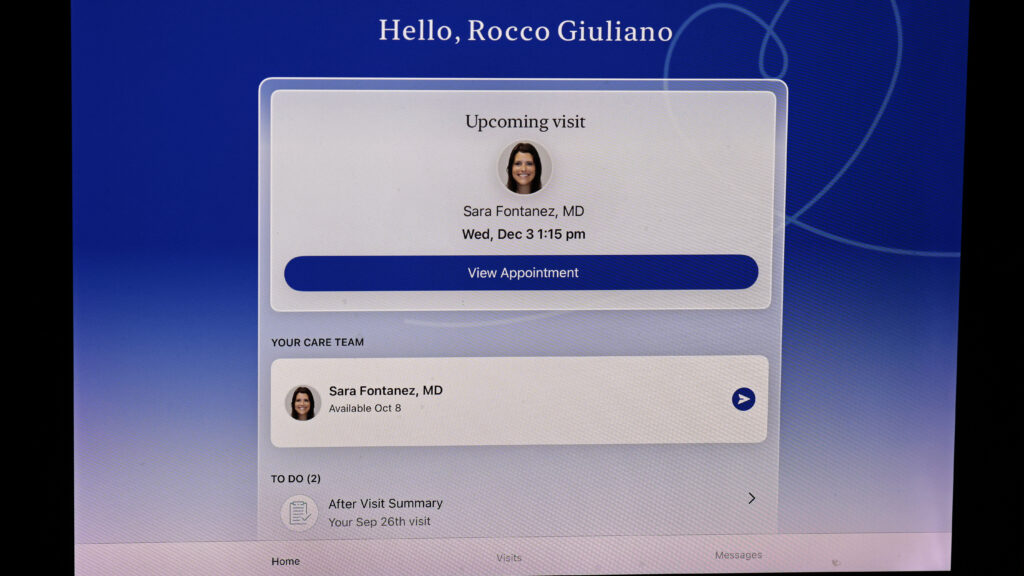
Mass General Brigham has implemented an AI-powered application designed to alleviate the shortage of primary care physicians. The app assists by questioning patients, reviewing their medical records, and compiling relevant information to support healthcare providers. However, this technological adoption has received a range of responses, with some expressing concerns about its use.

The FDA has identified compliance issues at Novo Nordisk's manufacturing facility in Indiana, which is crucial for producing drugs for various biotech companies. This non-compliance status may cause delays in the approval process for medications manufactured at the site.

The Trump administration has been reducing scientific expertise and patient perspectives within federal health agencies as part of efforts to streamline the government. This has led to the removal of experts who provided ethical guidance and evaluated the impact of scientific research.