A new report from consultancy BearingPoint finds that only 4% of Irish organisations that have implemented AI have fully scaled it, compared to 13% globally. The study, which surveyed 1,050 C-suite executives and senior leaders across 13 countries, says that while AI adoption is growing, deep integration remains rare. In Ireland, 63% of firms report limited AI projects, but just 6% have fully integrated AI, versus 11% globally.
The report warns of an "AI productivity trap": deploying more technology does not guarantee stronger financial performance. Sustainable value, it argues, depends on linking AI investment to financial accountability, trusted data, scalable architecture, workforce adaptation, governance and measurable outcomes. Management decisions, not just technology, are key to turning new capacity into value.
BearingPoint partner Gerard Hayes says that while many organisations can launch AI pilots, scaling them securely and consistently is much harder. Governance, compliance and workforce planning become more significant at scale. The report notes that 80% of Irish firms are conducting ongoing skills-gap assessments as they prepare for AI transformation.
Hayes adds that Irish organisations show strong ambition for agentic AI, with 43% seeing it as a future priority, compared to 26% globally. Aligning AI and workforce strategies will be critical as capabilities and market direction continue to evolve rapidly.
Salesforce has announced it will acquire Cresta, a company known for its AI-driven voice agents for contact centres, in a deal reportedly valued at $2.7bn, according to Dealroom. The move aims to pair Cresta’s voice technology with Salesforce’s cloud and agent platforms, broadening the company’s digital support to include phone-based customer service. Kishan Chetan, executive vice-president at Salesforce, said the voice element was central to the deal.
Cresta’s CEO, Ping Wu, said the union would embed real-time conversation intelligence and agentic experiences into Salesforce’s customer service platform. Salesforce has made several acquisitions in recent years, including Fin and Contentful, as it looks to strengthen its position in digital customer engagement. The company also acquired Informatica in 2025 for $8bn.
The Cresta transaction is expected to close in the first quarter of Salesforce’s 2028 fiscal year, subject to standard closing conditions. The deal reflects ongoing consolidation in the AI and customer service software sector, with large firms seeking to build integrated platforms for enterprise clients.
Eileen O'Mara, vice-chair of Stripe, emphasized the importance of Irish talent to the company's success and reaffirmed their commitment to investing in the local workforce. This expansion will add 200 new roles at Stripe's Dublin office, reinforcing its growth in the fintech sector.

The European Commission has increased its investment in the flagship research and innovation programme by an additional €500 million, bringing the total budget to approximately €14.8 billion. This significant funding boost aims to further support advancements in key sectors such as biodiversity and artificial intelligence.

According to Eurobarometer research, a significant number of workers across the EU have faced cyber threats on the job. Notably, workers in Ireland demonstrate a stronger belief in the importance of cybersecurity compared to the EU average.
Anna Mazzone from ServiceNow explores the key obligations under the Cyber Resilience Act (CRA) and highlights why an increasing number of Irish software companies could fall within its scope, often without realizing it.

UK-based digital bank Monzo is reportedly considering acquisition talks with Brazil's Nubank, alongside the option to pursue a significant new funding round as it looks to accelerate growth.

Databricks has announced the acquisition of Row Zero, integrating a governed, live-data spreadsheet solution into its Genie platform. This move comes shortly after Databricks reached a valuation of $190 billion, reflecting its ongoing commitment to advancing data management and governance capabilities.

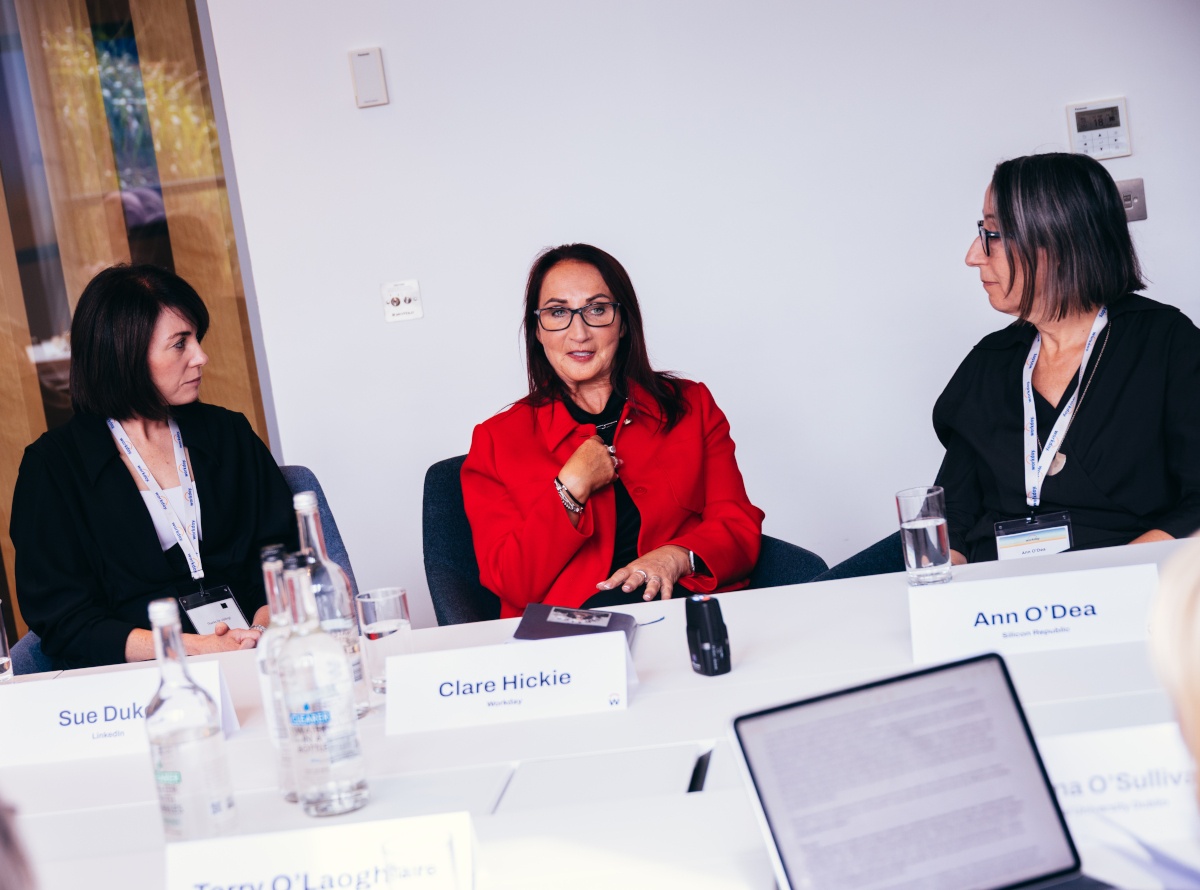
During a Workday-hosted roundtable in Dublin, four industry experts discussed the challenges of AI adoption, the urgency of reskilling, and the persistent underrepresentation of women in high-paying AI leadership positions.
The European Union is aiming to reduce the environmental impact of data centres as it plans to triple their capacity within the next five to seven years. The new proposal suggests establishing a common energy rating scheme to better manage and mitigate energy consumption across data centres.