In November, Fast Company collaborated with Johns Hopkins to host the inaugural World Changing Ideas Summit in Washington, DC, bringing together leaders from business and academia to discuss innovations defining our future. Leaders in space exploration, healthcare, and artificial intelligence shared their insights on what key challenges and breakthroughs to expect in 2026.
Akhila Kosaraju, CEO of Pharebio, highlights a pressing race against antibiotic resistance. Using cutting-edge AI, her company aims to develop 15 novel antibiotics by 2030 to outmaneuver bacteria that rapidly develop resistance. Kosaraju stresses the urgency of accelerating drug development timelines to deliver effective treatments sooner.
Saleem Miyan, CEO of Max Space, emphasizes the critical need for continued American presence in space following the planned 2030 retirement of the International Space Station. His firm is working to innovate and maintain U.S. leadership through new space stations, ensuring strength in exploration and security.
Molly Mulligan, COO of SpaceMD, shares the exciting potential to advance drug development by leveraging microgravity to grow antibody crystals. Inspired by previous successes on the International Space Station, the company aims to bring new medicines from space research to market.
Ben Wolf, Chief Medical Officer at Isomorphic Labs (a Google DeepMind spinout), focuses on harnessing AI to tackle complex diseases such as cancer through precision medicine—customizing treatments for individual patients. With promising AI technology like AlphaFold, human trials are approaching.
Together, these leaders highlight 2026 as a year of urgent innovation and collaboration across sectors to address global health, space exploration, and AI-driven medical breakthroughs.


Dell, a company with a 42-year history, is preparing for its most significant transformation yet, as announced by COO Jeff Clarke. This upcoming change marks a major milestone in the company's evolution.
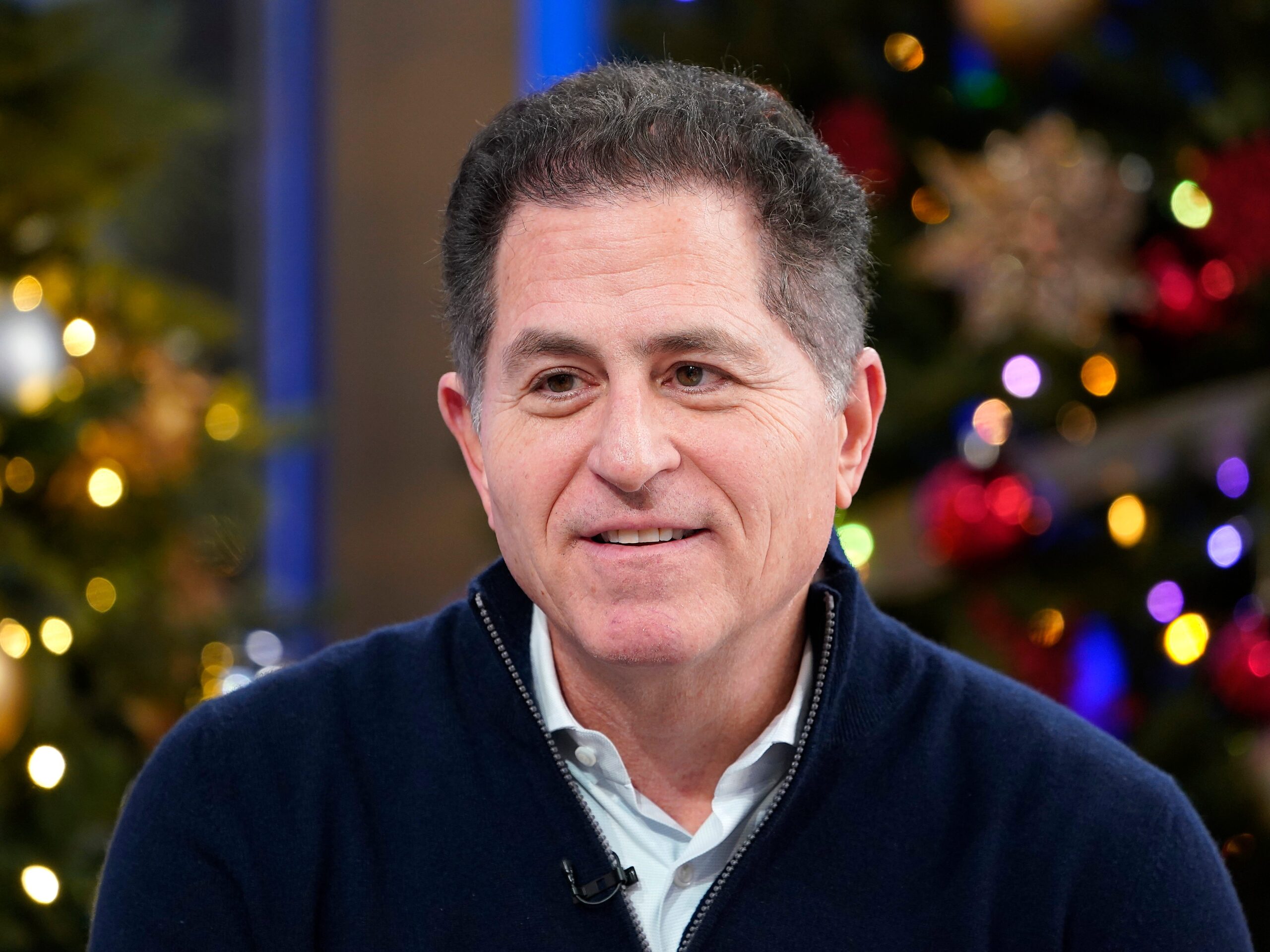

Effective board meetings ideally foster thoughtful engagement between CEOs and directors to drive sustained company growth. Yet, human factors often disrupt this balance. Surveys highlight that problematic individual directors and ineffective boardroom culture hinder collaboration. Drawing from the 2025 NACD report, CEOs face five challenging director archetypes: the former CEO who may resist change but offers valuable insight; the over-committed director spread thin across many boards; the confrontational inquisitor who disrupts trust; the lane drifter who oversteps management roles; and the old timer whose long tenure may reduce independence. CEOs must identify whether issues stem from people or processes, as weak board structures can also obstruct effectiveness. Regular board evaluations and strong partnerships with key figures like the lead independent director and governance chair are essential. Building a robust, trust-based relationship with the board requires CEOs to invest time and transparent communication continuously, including frequent calls, personalized meetings, and proactive updates. Cultivating this dynamic ensures boards act as trusted, strategic partners aiding long-term value creation.
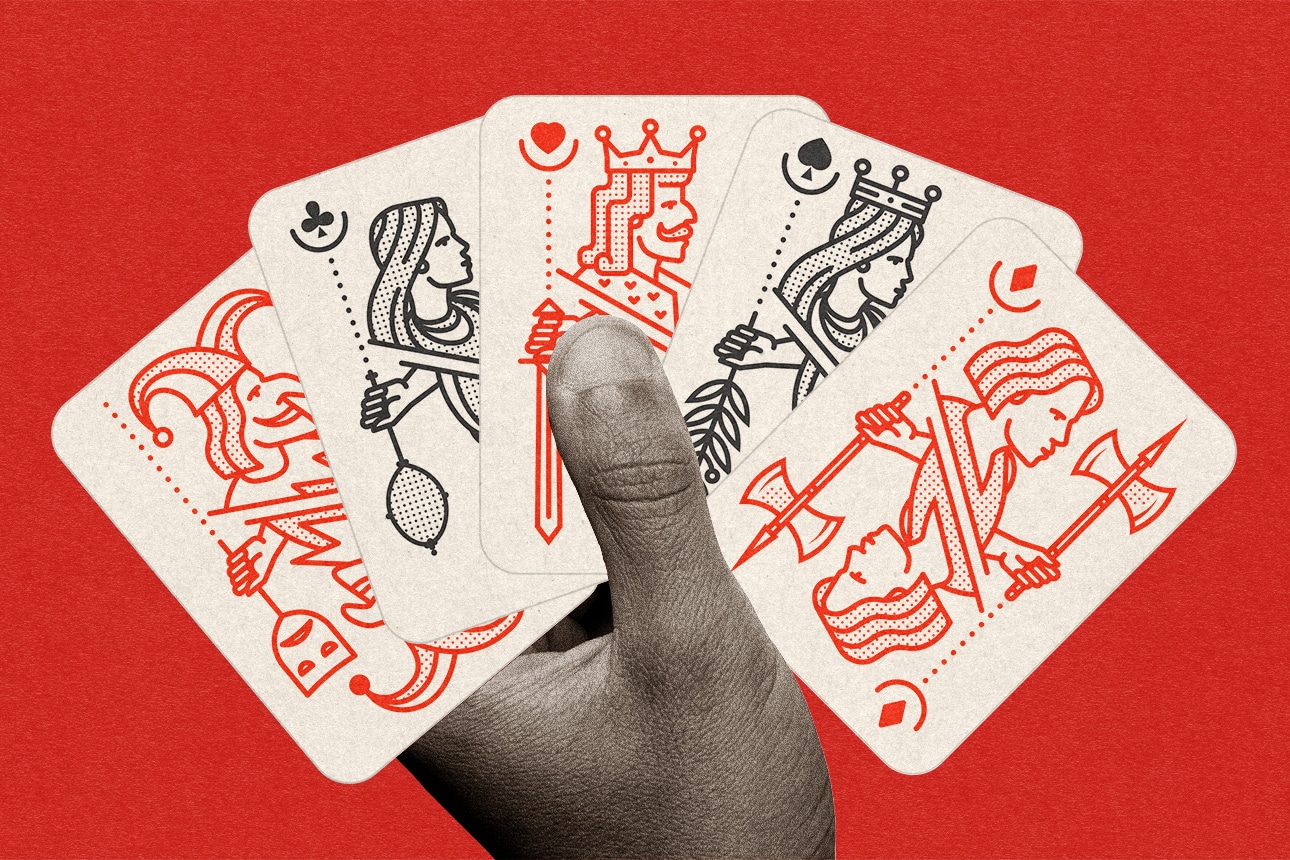

Hosting multiple podcasts helped me uncover blind spots in my decision-making process and unexpectedly became one of the most impactful leadership lessons I have experienced.


Diverse leadership and inclusive teams drive the greatest achievements in today's world.

Powell's uncommon decision to address the public through a video enabled him to steer the conversation and demonstrate his readiness to take a firm stance on important matters.


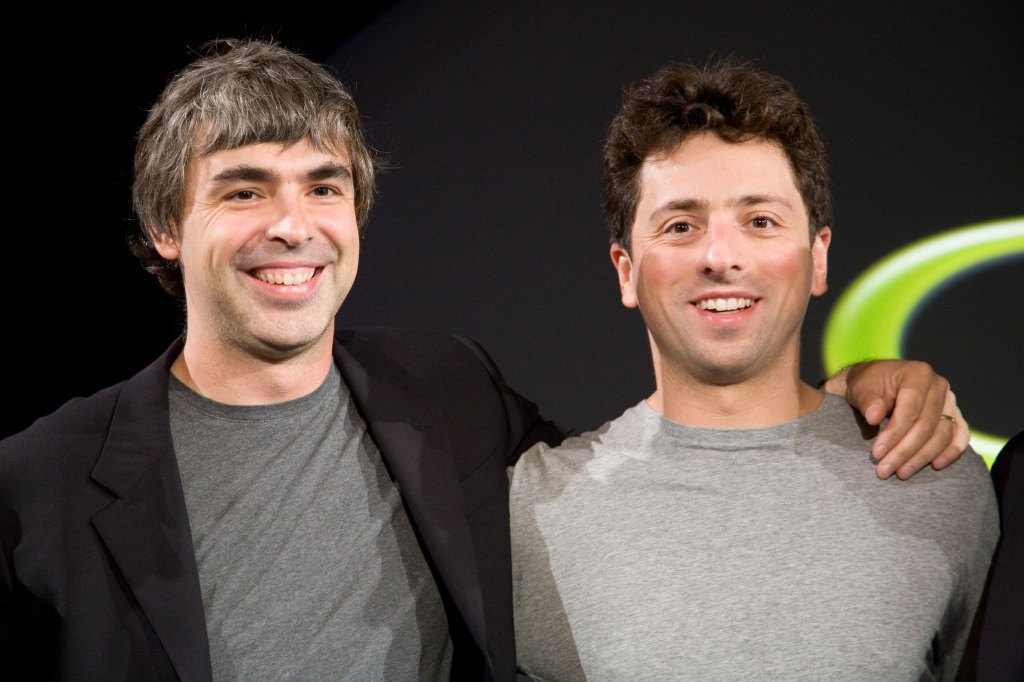
Sergey Brin and Larry Page, the visionary founders of Google, seem to be stepping back from their long-time home state, California, where they originally launched the tech giant.
Many leaders see themselves mainly as productive rather than creative, linking productivity to tangible results like efficiency and task completion while viewing creativity as spontaneous and unpredictable. However, productivity and creativity are deeply interconnected and can enhance each other. Leaders who fuse disciplined productive habits with creative practices open doors to innovation, effectiveness, and fulfillment. A global Adobe survey highlights a creativity gap, with most professionals pressured to prioritize productivity over creativity, leading to underperformance in innovation.
Purely focusing on productivity risks stagnation, disengagement, and missed innovation chances, with disengagement costing trillions globally. Creativity, contrary to popular belief, thrives on discipline and structure which support inspiration and originality. Examples from music production show how technical precision intertwined with creative freedom fosters breakthroughs.
Creating organized, intentional physical and mental spaces helps creativity flourish, supported by daily micro-habits like journaling or brainstorming. Expert advice emphasizes producing fewer but higher-quality ideas through disciplined focus combined with creative risk-taking.
The key transformation is identity: leaders must integrate productivity and creativity harmoniously—the "creative-productive zone." Practical steps include embedding creative rituals into routines, structuring environments for freedom, scheduling distinct time blocks for focused work and exploration, and reflecting on balancing outputs with idea generation.
Ultimately, successful leadership depends on mastering both efficiency and imagination. Those who balance getting things done with generating originality will inspire and lead in meaningful, memorable ways, making creativity and productivity essential partners for impactful leadership.

Aspire to lead with excellence? Discover why embracing feedback is the key that distinguishes outstanding leaders from the rest.
Steady, incremental growth is more than just a phase—it’s a deliberate strategy that leads to lasting success. Discover why leaders who outperform choose to build steadily.