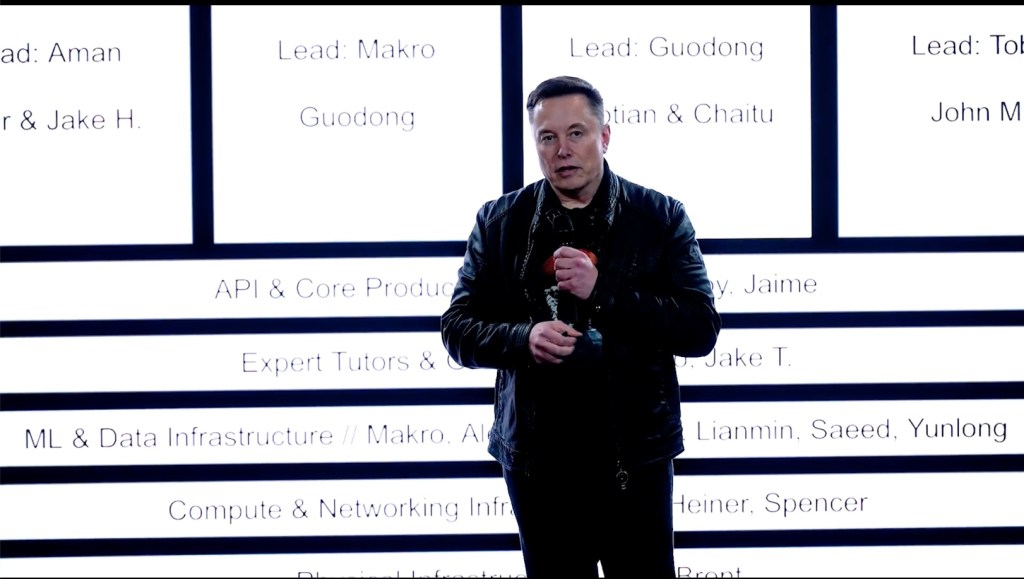
Elon Musk envisions a lunar base, dubbed Moonbase Alpha, featuring a mass driver designed to launch AI satellites into deep space, advancing space exploration and AI deployment.

On Wednesday, xAI made an uncommon move by releasing the entirety of its 45-minute all-hands meeting to the X platform, inviting the public into its ambitious plans for space exploration.

Sanofi is undergoing a leadership change with Paul Hudson stepping down as CEO. The pharmaceutical giant is now facing questions about which drugs will fuel its future growth.


As artificial intelligence increasingly integrates into business operations, the importance of strong, enduring leadership at the top has never been greater. Machines can perform tasks effectively, but it is human leaders who guide vision, culture, and strategic direction, ensuring sustainable success in a rapidly evolving landscape.
The most difficult leadership lessons often emerge not from straightforward industries, but from those where established norms are challenged and leaders must realign incentives to foster sustainable growth.


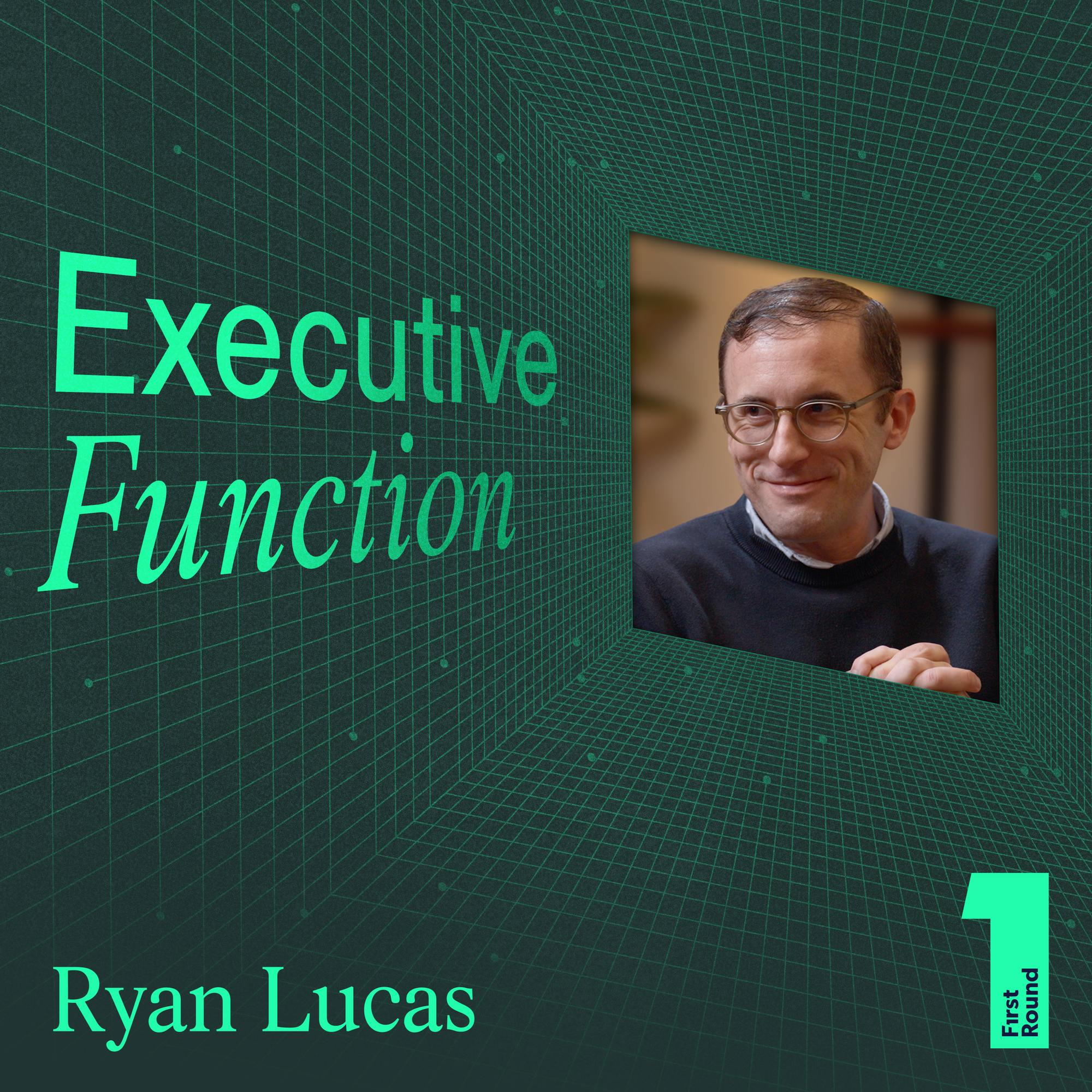
Why Figma Shouldn't Be Your Only Source of Truth: Insights from Ryan Lucas, VP of Design at Rippling
In this episode of Executive Function, Brett interviews Ryan Lucas, VP of Design at Rippling, about the evolving role of design leadership. Ryan, with a background in industrial design and startup founding, shares his unique perspective on how modern software design is shaped beyond tools like Figma. The discussion highlights the importance of delegation as a key design skill and touches on the broader implications for leadership in design teams.

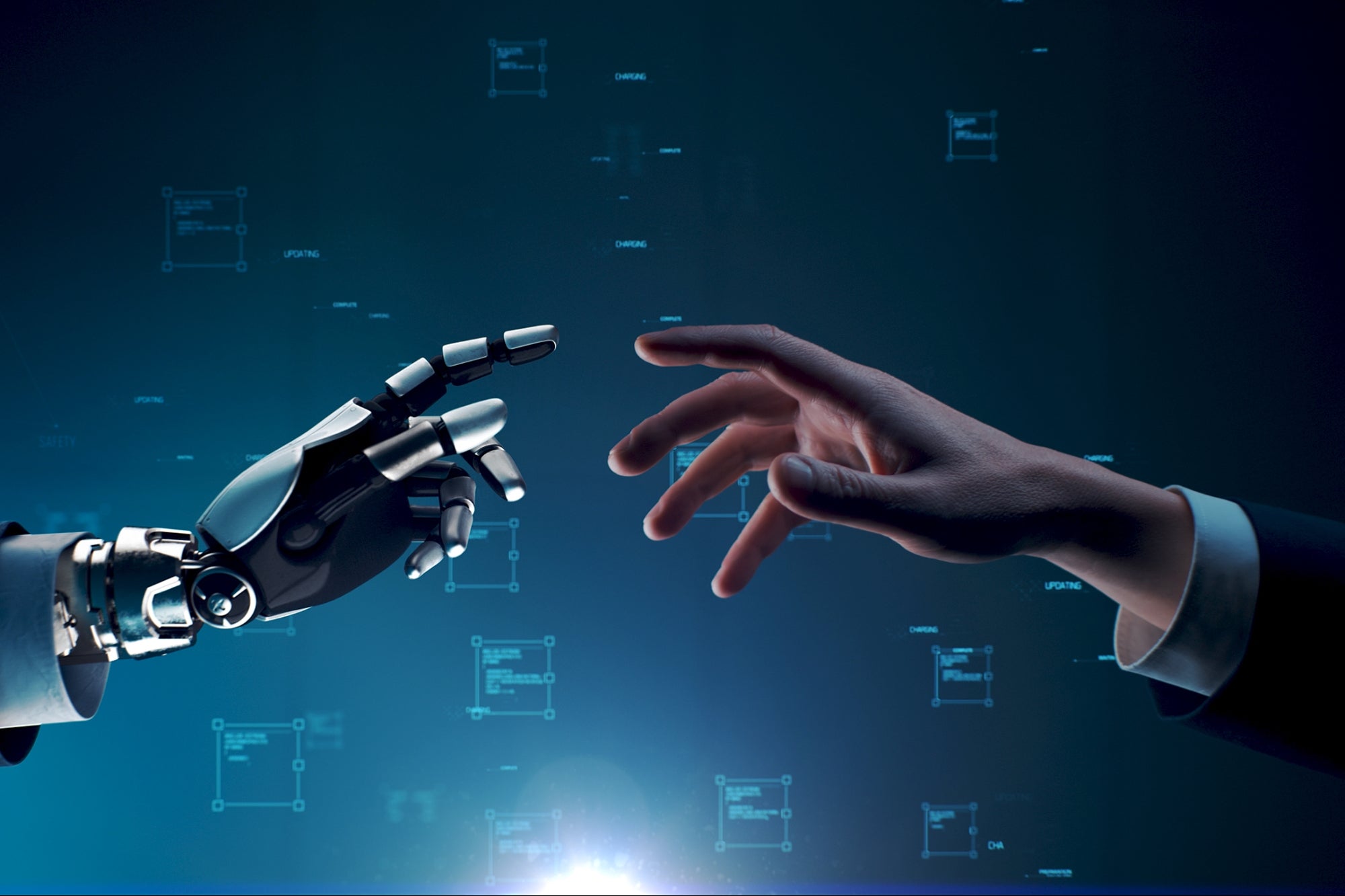
Many executives recognize AI coding assistants like Claude Code but mistakenly believe their use is limited to programmers. However, these tools offer significant advantages for general knowledge work without coding. Unlike typical AI chatbots accessed via browsers, agentic AI coding tools operate directly on files stored on your computer, enabling them to read, edit, and create documents autonomously.
For example, before a meeting with a sales prospect, instead of manually gathering and summarizing information, you can use these tools to automatically research, compile, and refine briefing documents. More importantly, instructions for generating such briefings are saved locally, allowing easy replication and sharing across teams, turning one-off tasks into reusable workflows.
Key capabilities include a form of "memory" via access to local files, automation that reruns workflows with updated data, and parallel execution of multiple tasks. These features significantly improve efficiency and consistency.
AI coding assistants like Claude Code use multistep reasoning, adaptive execution, and external tool integration to manage complex tasks, from organizing receipts to updating competitive intelligence files, generating marketing copy variations, or conducting due diligence reviews.
However, caution is advised due to risks such as hallucinations, potential file deletion errors, and security threats like prompt injection. Leaders should start experimenting with these tools themselves to understand their potential, preparing their organizations for broader adoption and productivity improvements.
The shift from conversational AI to AI that operates autonomously within a work environment marks a major evolution in how technology supports knowledge work across industries and roles.

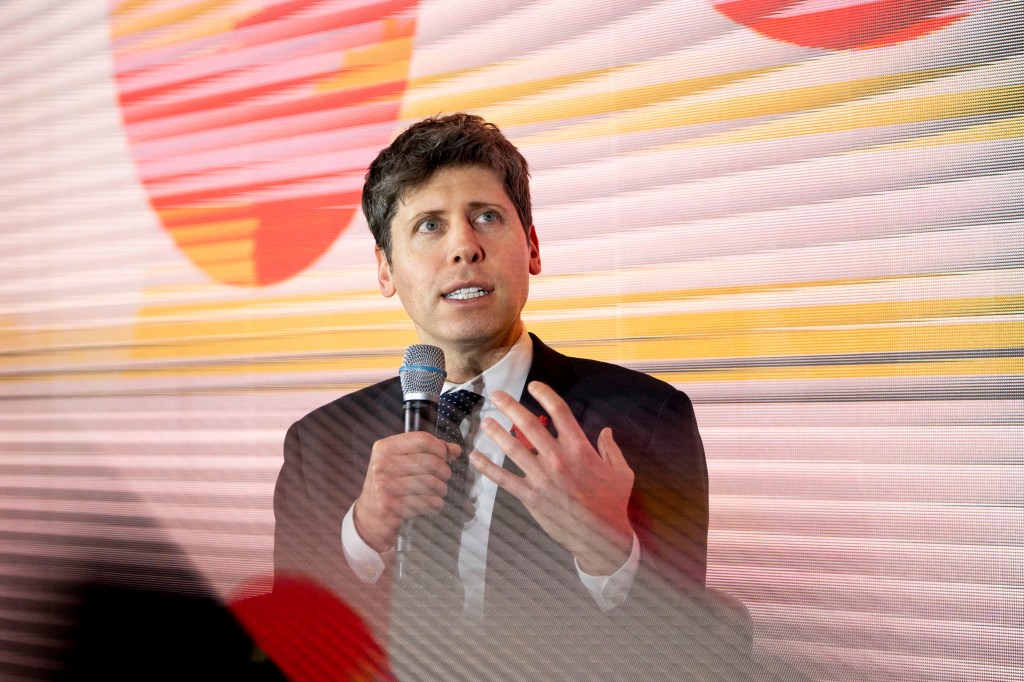
OpenAI has disbanded its mission alignment team, which was dedicated to developing safe and trustworthy AI. The team's leader has transitioned to a new position as OpenAI's chief futurist, while other members have been reassigned within the company to support various projects.
Enhance your customer loyalty by proactively tackling these eight critical issues in customer experience.


I've realized that simply blaming silos misses the core issues within organizations. The real challenge lies in the presence of dysfunctional silos rather than silos themselves. Focusing on building the right kind of silos that promote collaboration and alignment can transform enterprise-wide dynamics for the better.