Leaders who focus on long-term horizons, looking decades ahead rather than just quarterly results, are better equipped to handle periods of disruption and uncertainty.


Not long ago, being a "generalist" in the workplace meant being seen as a jack of all trades but master of none. Work was siloed: designers created graphics, legal teams handled contracts, and many tasks waited for experts or were left undone. AI is transforming this dynamic by enabling people to perform across a broader set of functions. Research from Anthropic reveals that AI helps engineers become more full-stack, handling interconnected technologies with competence and completing tasks without needing specialized experts for every step. This shift echoes past revolutions, where new technology expanded what work was possible rather than simply saving time.
With AI, workers can quickly expand their skills and accomplish more, but challenges remain. AI can produce confidently wrong answers—hallucinations—that can fool even experts. For generalists, learning to identify errors and verify AI-generated work is essential. This new role positions the generalist as a "trust layer," bridging AI output and organizational quality standards by deciding what needs expert review.
While specialists remain critical for complex, strategic problems, AI enables generalists to tackle many tasks independently, changing how teams collaborate and how companies hire. Employers now seek employees comfortable with AI, valuing effective AI usage alongside productivity.
To make 'vibe work' effective, organizations should: use AI as an aid rather than relying on it blindly; develop skills to judge when to trust or verify AI work; establish clear organizational standards and documentation; and maintain human oversight. This approach fosters reliability and sustainability.
Ultimately, the AI-empowered generalist is curious, adaptable, and critically minded, leveraging AI as a tool for cross-functional work and applying human judgment to ensure quality and trustworthiness—a key factor in turning AI enthusiasm into practical, dependable results.


The Chief Operating Officer at Vercel shares insights on how artificial intelligence is set to support and enhance the human elements of sales interactions rather than replace them, emphasizing a collaborative future.
These key traits foster genuine connections and boost engagement, especially during challenging times in the job market.


Bluesky has successfully raised $100 million in a Series B funding round amidst a recent CEO transition. The new capital is fueling an expansion of the Bluesky team and accelerating the development of its app and the core ATProto technology that powers the platform.


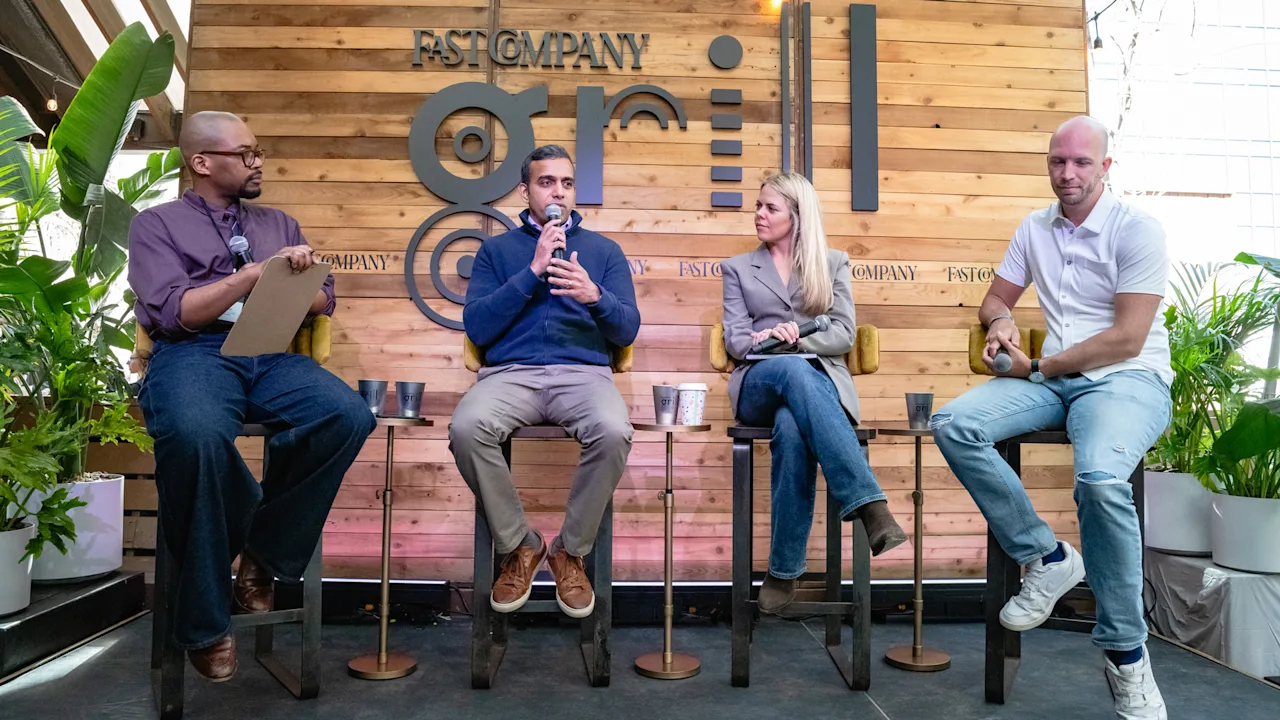
AI capabilities are evolving at an unprecedented pace, making agility an essential survival skill for business leaders rather than just a competitive edge.
Peter Smart, chief experience officer at product design firm Fantasy, highlights that companies' value delivery and business models are being reshaped in real time. He stresses the importance of creating clarity around what a company does, the value it generates, and how it plans to achieve its goals.
Prashanth Chandrasekar, CEO of Stack Overflow, adds that companies with a strong mission and clear purpose are better equipped to adapt to these rapid changes. Leaders must adopt a constant learning mindset and stay flexible in their approaches to effectively navigate this shifting landscape.
Sam Jordan from Future Today Strategy Group recommends revising incentive systems to encourage experimentation and testing. However, she warns that periods of chaos often signal deeper structural shifts, urging leaders to carefully consider what is truly changing and to balance judgment with efficiency.
Discover how visionary leaders like Steve Jobs and Howard Schultz master the balance between listening and decisive action to drive success.

Deliberately developing expertise in public relations, product management, and growth strategies shapes not only more capable marketers but also visionary leaders.

C-suite executives can leverage this structured four-step approach to transition from experimental AI pilots to seamless, impactful implementations within their organizations.


In today's AI-powered landscape, trust has become an invaluable strength for organizations. However, many leaders unknowingly damage this trust with certain behaviors. Discover four key ways leaders break employee trust and practical steps to effectively mend it.