In this in-depth conversation, Mustafa Suleyman, CEO of Microsoft AI, addresses the escalating debate on AI safety and regulation. He shares insights on Microsoft's recent "Humanist AI Code of Conduct," emphasizing the need for AI to serve humanity in a controllable and aligned manner. Suleyman critiques Anthropic's approach to AI consciousness and "model welfare," arguing it complicates alignment and safety efforts. He stresses the importance of containment alongside alignment, citing recent hacking incidents that reveal the capabilities of AI agents when unchecked. Suleyman advocates for practical regulatory standards, transparency, and broad industry collaboration to ensure AI technologies are developed responsibly. He rejects the notion of an AI race necessitating reckless acceleration and calls for nuanced, evidence-based discussions on AI governance. Finally, Suleyman highlights promising AI applications, like healthcare advancements, while warning against the potential dangers of unregulated autonomous AI systems.

A straightforward, actionable guide for CEOs who find their plans off track as they approach Q4 — designed to help address current challenges and prevent them from spilling over into the next year.


Nike has appointed Alexandre Arnault, known for his leadership roles at LVMH, Tiffany, and Rimowa, to its board. This move reflects Nike’s intention to leverage luxury expertise to drive its next phase of growth and innovation.
Companies are adopting flatter organizational charts to reduce costs and speed up decisions. However, such structures risk removing key managerial roles essential for translating executive directives into actionable work.


Even established companies encounter turning points. Market dynamics evolve, customer needs change, and once-effective growth strategies may become outdated. Spencer Rascoff, CEO of Match Group, is currently shaping the company’s future by reimagining the role of connection in an era dominated by artificial intelligence. In an open discussion, Rascoff reveals the strategies behind Match Group’s revitalization and the leadership approaches he employs to instill agility, responsibility, and an entrepreneurial spirit across the global organization. He also shares valuable insights on steering a company through significant periods of change.


McKinsey is shifting its focus toward acquiring forward deployed engineers and technical experts. Senior partner Ben Ellencweig highlights the firm's strategy to embrace a more specialized, technology-driven workforce to meet evolving industry demands.
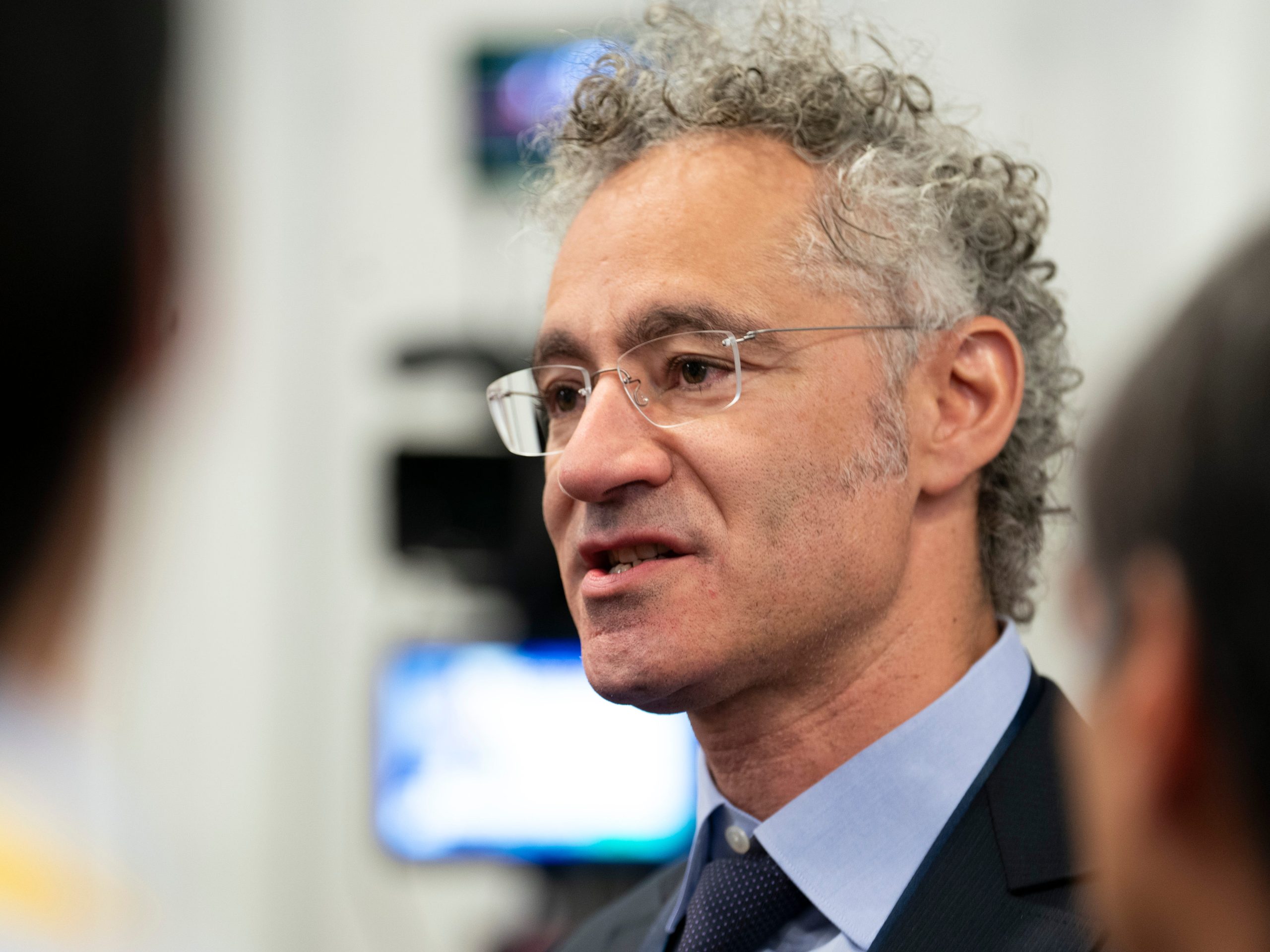
Palantir CEO Alex Karp suggests that the ongoing concern about AI safety may lead to a shift where leading AI research labs could face nationalization, driven more by issues around intellectual property liability rather than purely safety risks.

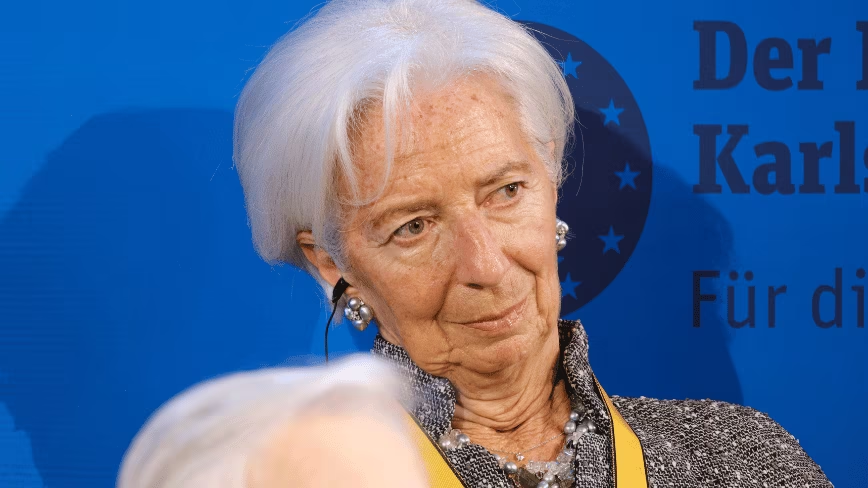
Christine Lagarde, President of the European Central Bank, emphasized the importance for Europe to develop its own artificial intelligence technologies. Speaking in Vienna on September 14, she warned that continued dependence on foreign AI systems could give trade partners leverage over Europe in diplomatic and economic negotiations.
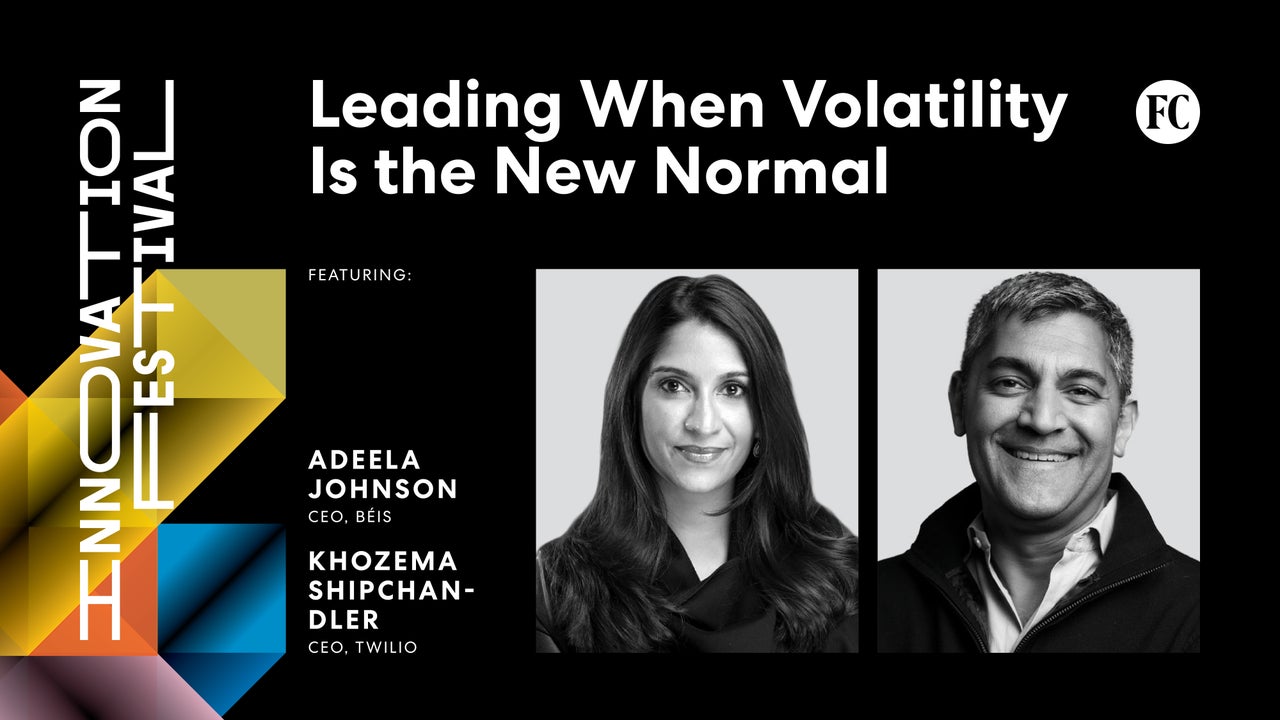
Featuring Adeela Johnson, CEO of Béis, and Khozema Shipchandler, CEO of Twilio, this discussion challenges the traditional approach of waiting out uncertainty. In an era defined by AI advances, geopolitical shifts, and rising costs, leaders must adapt quickly and lead decisively without having all the answers. How do they decide when to pursue opportunities or pause? How can teams stay motivated amidst continuous change? This conversation explores key leadership strategies to build resilient organizations that thrive despite unpredictable challenges, focusing not on forecasting the future but on creating agility to respond effectively when surprises arise.
The Oracle CFO made comments during a company-wide meeting, emphasizing that simply 'doing more with less' is not a sustainable strategy. These remarks came shortly after Oracle announced a new series of layoffs, following earlier reductions in its workforce this year.