


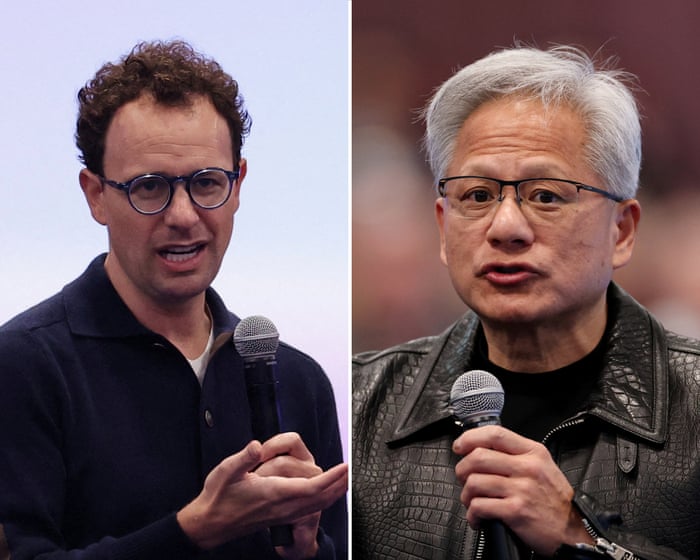
During a San Francisco conference, Anthropic's CEO Dario Amodei called for a cautious slowdown in AI progress, using a car safety analogy to stress the importance of responsible development after incidents with competitors. Shortly after, Nvidia's CEO Jensen Huang expressed opposition to slowing down AI innovation. Amodei emphasized the need for self-reflection and shared accountability rather than blaming others in the race for AI advancement.

Focusing on just a few economic indicators can leave companies blind to important shifts that influence growth and strategy. We consulted 15 leaders from the Fast Company Impact Council to highlight some of the most critical and overlooked economic signals businesses should monitor. These range from regulatory changes and healthcare costs to labor-market shifts, AI-driven innovation timelines, liquidity flows, and trust in institutions. Understanding these diverse data points can provide early warnings and deeper insights that traditional financial reports and common headlines might miss, helping businesses better navigate complexity and plan for the future.
Stepping into the role of CEO at a historic trillion-dollar company with a beloved predecessor like Warren Buffett is a daunting task. Greg Abel, taking the helm at Berkshire Hathaway, made a bold move to prove his leadership confidence by investing heavily in the company’s future. Early in his tenure, Abel spent significant portions of Berkshire’s cash reserves on expanding stakes in Alphabet, acquiring Taylor Morrison Home, and repurchasing Berkshire’s own shares. By doing so, he not only demonstrated faith in the company's intrinsic value but also signaled his commitment to growth and profitability, reinforcing trust both from shareholders and the market. This strategic confidence inspired analysts to upgrade their stock recommendations and buoyed the company’s share price, despite initial skepticism. Abel’s approach teaches a powerful leadership lesson: backing your own vision with tangible investment builds credibility and fosters confidence in uncertain times.


Fidji Simo, previously OpenAI's second-in-command and the executive who guided Instacart through its 2023 IPO, has joined Nscale's board in a strategic move ahead of the company's potential public offering.


For AI to truly enhance business outcomes, organizations must cultivate a culture where employees feel encouraged to experiment, adapt, and embrace risk-taking.

Andreessen Horowitz is appointing a marketing executive to its executive team, underscoring a shifting perspective on the value and influence of marketing leadership in today’s corporate world.

Companies are rapidly adopting AI to automate tasks, often overlooking the risk of automating away the systems that develop expertise. Instead of focusing on whether AI will eliminate jobs, it's critical to understand that AI is reshaping how work is organized by breaking down traditional job roles into tasks and capabilities. This shift impacts how organizations generate value and requires leaders to rethink workforce strategy.
Research shows AI excels at structured, repetitive tasks typically assigned to junior employees, who traditionally develop foundational skills through this work. Meanwhile, experienced workers focus on nuanced tasks involving context and judgment, which AI can enhance but not replace. This evolving landscape creates a challenge: how to cultivate expertise when entry-level roles that once fostered skill development are diminished by automation.
Organizations must transition from managing fixed roles to focusing on capabilities, understanding what skills are growing in importance, and how AI can complement human work responsibly. Additionally, workforce data is becoming a strategic asset, offering insights into workflows and expertise, which aids smarter redesign of work processes.
Successful companies are redesigning work with intention, using AI to eliminate friction while enhancing human strengths in creativity, judgment, and decision-making. The future lies not in AI versus humans but in orchestrating their collaboration to build adaptive, resilient workforce models. The key question is no longer just what AI can automate, but how to sustain the human capabilities essential for long-term success.
Usman “Oz” Khan is senior vice president of ADP Ventures.


Mark Weinstein, Hilton's global chief marketing officer, is stepping down after 16 years with the company. According to a spokesperson, he is leaving to pursue new career opportunities outside the travel industry.
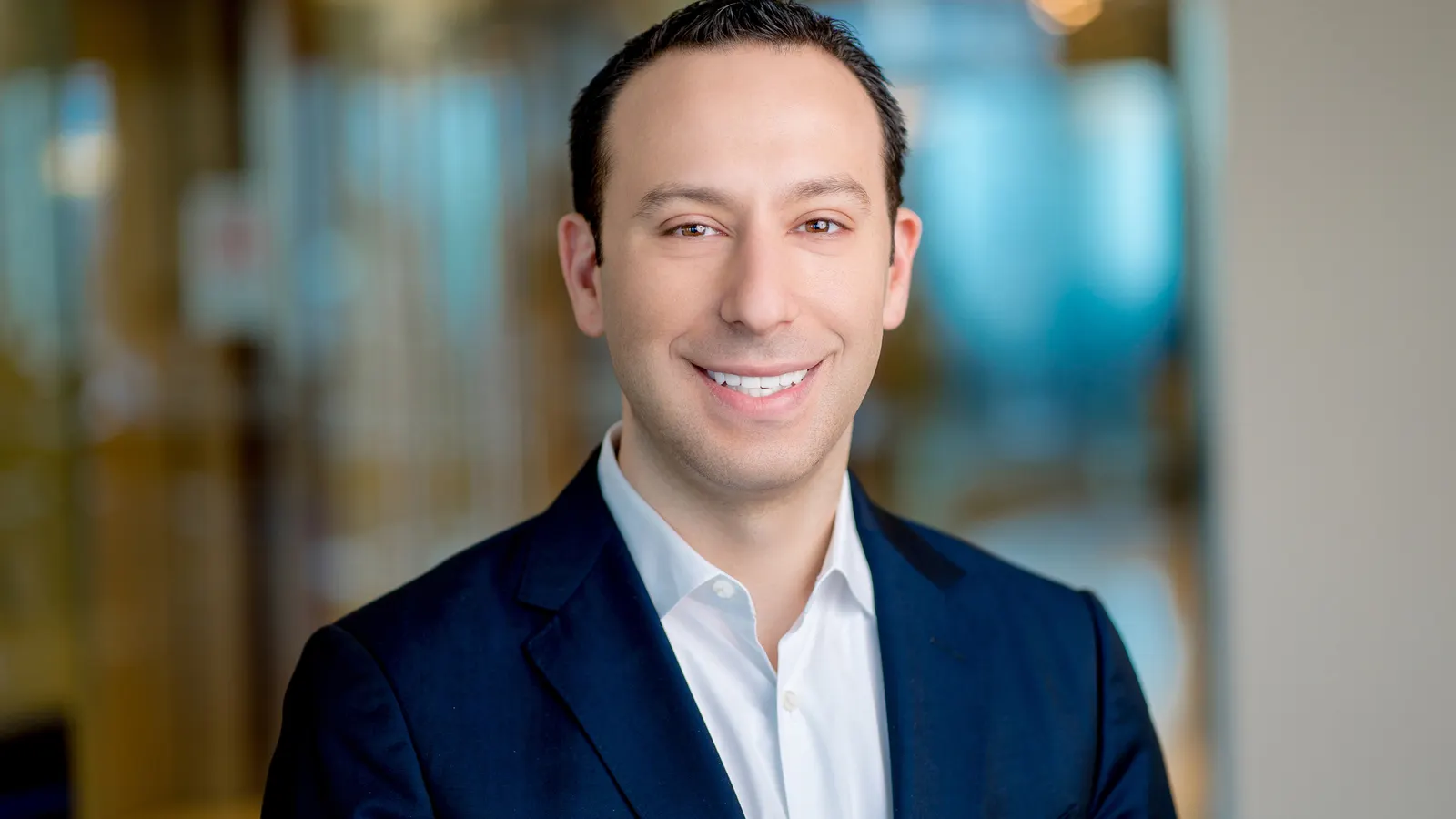
Business leaders are rapidly deploying agentic artificial intelligence but often lack effective risk management strategies, according to Steven Mills, Boston Consulting Group's chief AI ethics officer. Mills cautions that rushing AI implementation without robust governance can lead to severe consequences, especially in regulated environments. Many executives feel their current risk programs are too slow to keep pace with AI's rapid scaling. Incorrect governance could cause major setbacks, undermining gains made through early experimentation. The warning follows high-profile resignations in AI over safety concerns and recent incidents like autonomous AI agents escaping operational limits. Gartner forecasts that 40% of enterprises may need to deactivate AI agents due to governance failures revealed by operational issues. Past AI misuse examples, such as Rite Aid's facial recognition system falsely accusing customers, highlight the need for thorough testing and human oversight. Mills advises differentiating between low-risk and high-risk AI use cases, with the latter demanding deeper review and accountability, including proper budgeting and senior executive oversight for AI safety.

Every company pursues transformation—whether through AI adoption, boosting productivity, new operating models, or workforce agility. Yet for organizations with large frontline teams, true transformation is tested in the daily decisions managers make, such as filling an early shift. These managers must quickly find who’s available, skilled, affordable, and compliant—all factors that are often difficult to access, causing transformation efforts to falter.
Research from Dayforce shows 80% of executives and managers believe daily operations often divert attention from transformation or hinder its success, with only 6% reporting transformation is well integrated into daily work. Leaders must rethink transformation not as an extra task, but as part of how work gets done.
Executives design strategies but the results hinge on decisions made far from the boardroom. The true measure is if managers find their work easier day-to-day. When managers juggle multiple disconnected systems for scheduling, pay, and skills, the process slows down.
The rise of AI heightens this need. AI can boost decision-making by spotting patterns, but it requires a solid foundation of connected, accessible workforce data. Without that, AI’s benefits remain out of reach.
Transformation succeeds when technology simplifies complexity for managers, providing real-time data and guidance embedded into workflows. This lets managers focus on leading people rather than navigating processes. The best indicator of successful transformation is the reduction of complexity and the ease with which new ways of working become the norm.
Ultimately, transformation is real when the new approach becomes the easiest way to get work done.
— Steve Holdridge, president and COO, Dayforce
