Tjada McKenna, CEO of the organization now known as Prosper Global (formerly Mercy Corps), discusses the urgent humanitarian crises worldwide—from Nepal's floods to conflicts in Syria, Sudan, Ukraine, and Gaza. She explains the reasoning behind rebranding a 40-year-old aid group during a funding crisis, emphasizing the shift from mere survival aid to fostering long-term prosperity and sustainability. Prosper Global aims to reflect its evolved mission by supporting communities not just in emergency relief but also through innovative, market-driven solutions like cash assistance, seed insurance, and blockchain for identity management. McKenna highlights how global conflicts, such as the Strait of Hormuz tensions, disrupt food and fuel supplies in fragile countries, and stresses the importance of resilience in the face of climate-related and man-made disasters. This transformation underscores a commitment to empowering people to thrive rather than just survive, aligning with their ongoing work including efforts to protect Ukraine’s grain supply amidst wartime destruction.

When you ask who leads AI transformation in a company, many point to executives or specialized teams. However, this perspective misses a critical component: the individuals closest to daily workflows. While leadership sets the strategic direction, the true transformation happens when employees actively rethink and reshape how work gets done using AI. These individuals, whom we call builders, come from various roles and levels—not just engineers—and they possess curiosity, proximity to the work, and an initiative to improve processes independently.
Leaders should focus on creating an environment that sets clear guiding principles around security and privacy but allows room for experimentation and innovation. Providing training, tools, and opportunities for employees to showcase successful AI-driven improvements encourages a culture where innovation thrives organically.
Furthermore, AI transformation must benefit not just the organization but also employees' professional growth by equipping them with valuable new skills. Lastly, measuring the success of AI initiatives should prioritize meaningful outcomes like faster project completion, higher productivity, and improved client satisfaction—not just metrics like usage or logins.
Ultimately, while executives define strategy and technology teams maintain infrastructure, it's the builders within the workforce who truly own AI transformation by reimagining workflows to create real impact.


For years, social media giants faced criticism for promoting harmful content to drive engagement. However, a recent Los Angeles court ruling held Meta and Google accountable not just for content, but for the addictive design choices underlying their products. This highlights a critical issue: traditional user-centered design methods like design thinking, while popular and effective in meeting user needs, can inadvertently cause harm by overlooking ethical concerns.
Design thinking involves understanding user needs and iterative testing, but our research with 27 senior leaders from tech, pharma, and design firms reveals recurring blind spots. For example, addictive features and polarizing content can emerge despite following best practices. Juul's rise in e-cigarettes shows how design focused on user appeal without ethical foresight can lead to serious societal harm.
Four key challenges arise from a user-centered focus: ignoring environmental impacts, neglecting stakeholders beyond primary users including vulnerable or malicious users, sacrificing thoroughness for speed, and failing to anticipate harm at scale. Governing these challenges requires leadership to embed ethics alongside user needs by starting with clear purpose, accounting for broader systems influencing design, and pausing to assess risks before scaling.
Ethical innovation demands inclusive stakeholder consideration, alignment of incentives with societal good, encouraging designer voices, and leveraging tools like AI to simulate risks. While diligence may increase costs upfront, it is essential to prevent costly consequences such as legal liabilities and reputational damage. The question companies face today is not if they can afford to be ethical, but if they can afford not to be.


George Osborne, the former Chancellor and now a senior leader at OpenAI, has voiced concerns that opposition from local residents against datacentres is hindering Britain's progress. He emphasized that the UK must develop these large-scale data facilities, which consume significant amounts of water and energy, to retain control over AI technology. Osborne’s role at OpenAI involves engaging with governments worldwide to support the establishment of datacentres and related infrastructure, essential for advancing AI capabilities.

In today's rapidly evolving marketing landscape shaped by AI and media fragmentation, CMOs face critical challenges and opportunities. They must elevate marketing to an executive growth function, seamlessly integrate AI to reinvent workflows, and adapt talent strategies to focus on skills like creativity and critical thinking. Navigating a highly personalized, fractured media environment demands innovative approaches to reach consumers and measure impact. Marketing leaders who embrace change proactively will redefine their role and drive enterprise-wide growth, positioning marketing not just as a cost center but as a strategic business driver for the future.


Dr. Oliver Kharraz, CEO and physician, shares insights into the challenges that have stalled major corporations like Walmart and IBM in their attempts to transform healthcare. He highlights the unique complexities and nuances of the healthcare sector that require more than just business acumen to navigate successfully.


Great leaders do more than create successful companies; they nurture and prepare the next generation to lead.
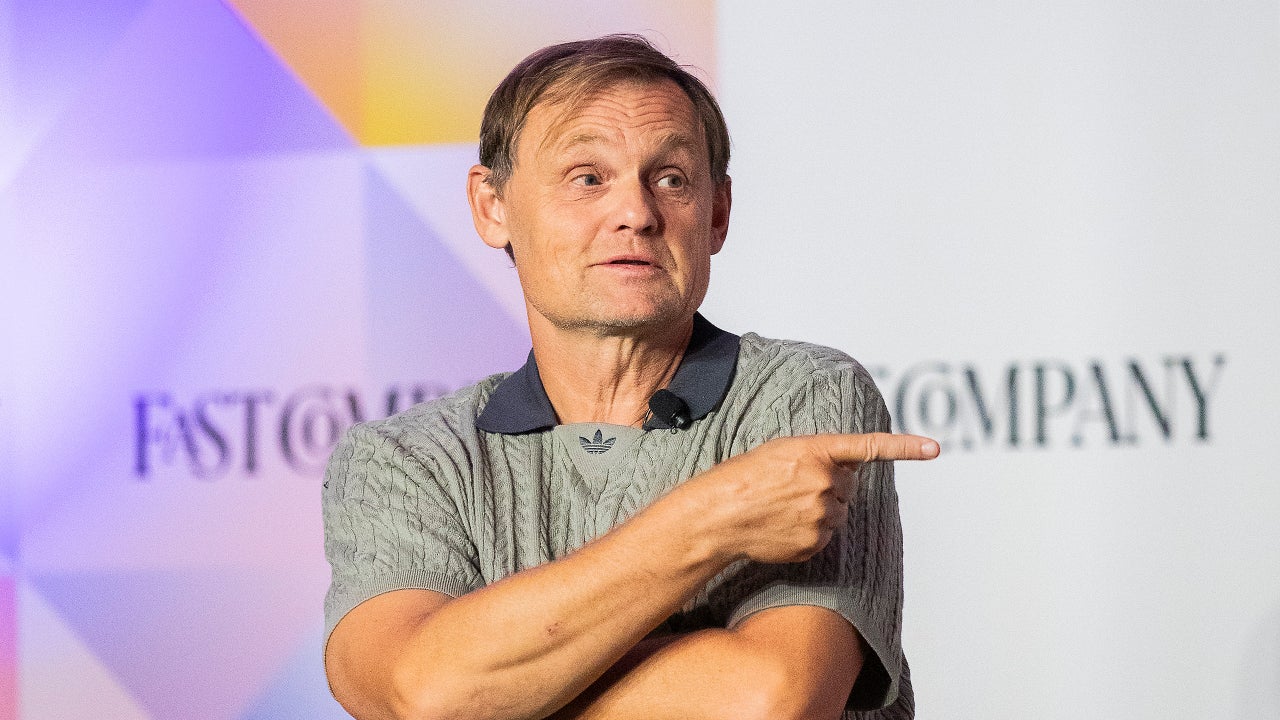
Adidas CEO Bjørn Gulden revealed that the key to the company’s resurgence was removing the "no-sayers"—those who hinder innovation with constant objections. Taking over in early 2023, Gulden inherited a company struggling after the demise of its Yeezy partnership and challenges in markets like China. By cutting bureaucratic layers and empowering energetic, innovative employees to lead decisions, Adidas regained momentum, posting growing sales and profits. Gulden's strategy also involved reducing headcount to streamline operations and focusing on creativity over rigid procedures, leading to milestones like the recent sub-two-hour marathon run in Adidas shoes. He emphasizes that success stems from trusting talented people and fostering a culture of action and agility.

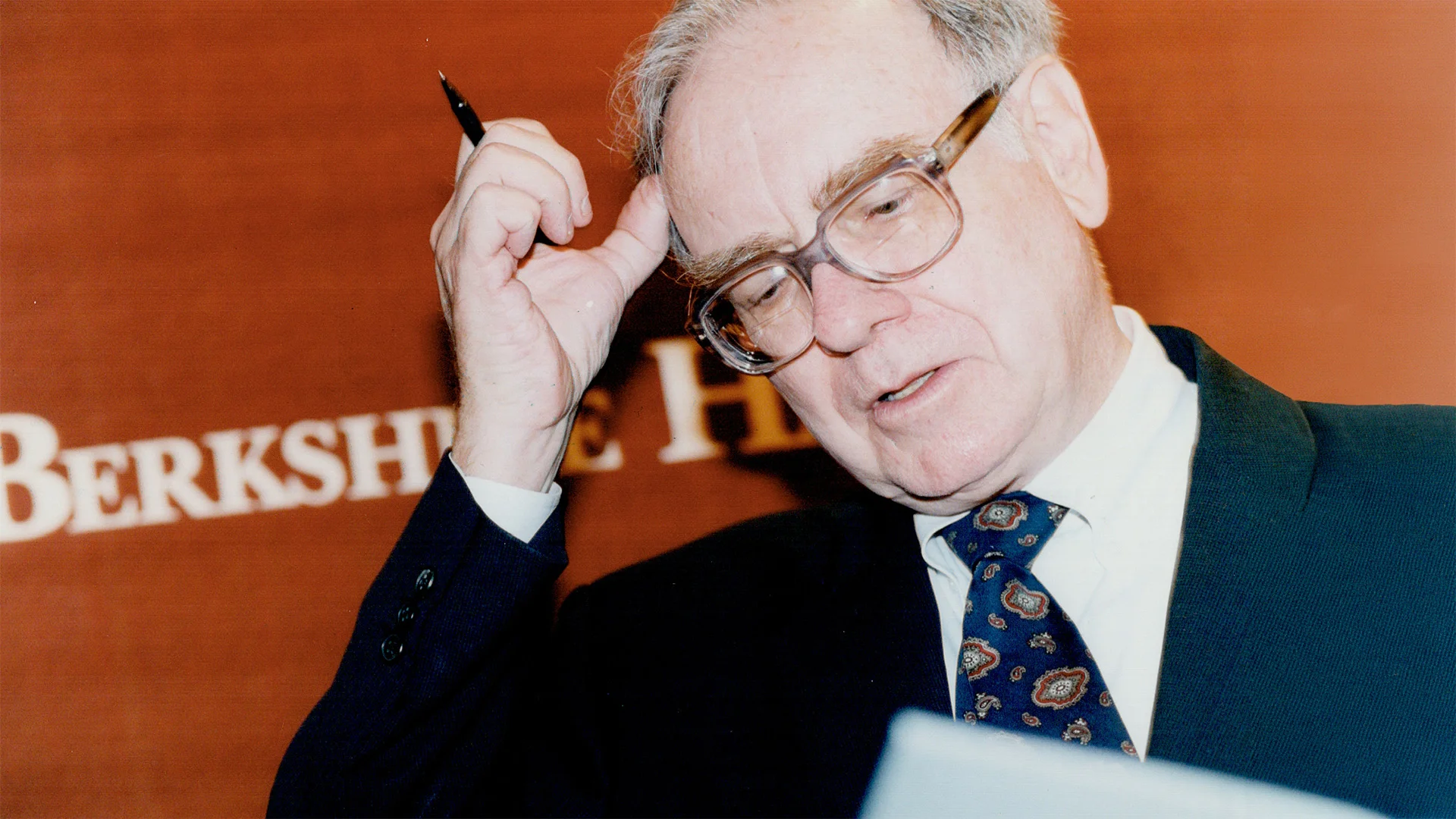
Jeanelle Johnson, PwC's leader in the DC office with 2,200 personnel, notes that clients now expect consulting projects to be completed in half the time compared to a year ago. For example, work that previously required eight weeks is now expected within four, driven by advances in AI technology.


OpenAI has urged the United States to take a lead role in establishing international standards for advanced artificial intelligence. The focus would start with defining mandatory incident reporting rules and could be coordinated through national AI safety organizations, such as the US Center for AI Standards and Innovation. This effort aims to create a unified approach to AI safety and governance on a global scale.