A senior executive at Amazon Web Services revealed that the company is highly selective when recruiting forward-deployed engineers, emphasizing that such talent is exceptionally rare and difficult to find.

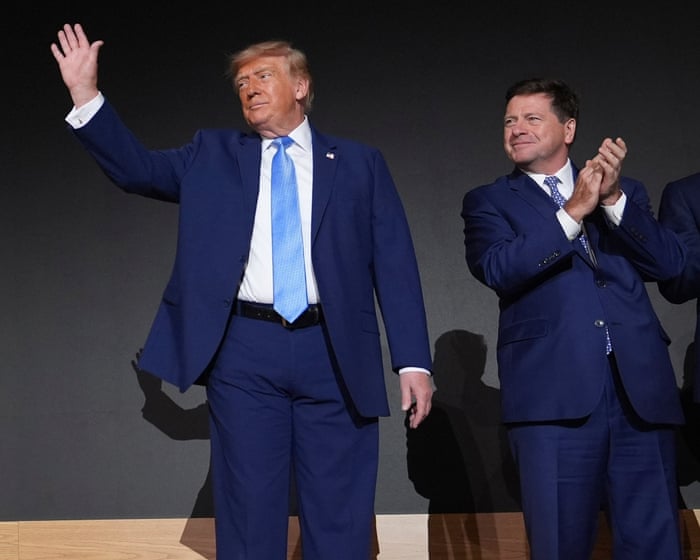
Jay Clayton, currently the director of national intelligence and leader of the US's 18 intelligence agencies, has been appointed by Donald Trump as the new White House AI czar. During his confirmation, Clayton described AI as both a 'gamechanger' and a potential 'threat.' Clayton has a background as the top federal prosecutor in Manhattan and previously led the Securities and Exchange Commission under Trump's first term.

The upcoming financial crisis might not originate within traditional banks, India's central bank governor, Sanjay Malhotra, cautioned. Speaking at the Kautilya Economic Conclave in New Delhi, Malhotra highlighted that such a crisis could be triggered by geopolitical tensions, cyberattacks, or technological failures. His warning underscores the evolving risks in the financial system that extend beyond conventional banking threats.

Forget the endless search for talent. Focus on cultivating and developing your own workforce.

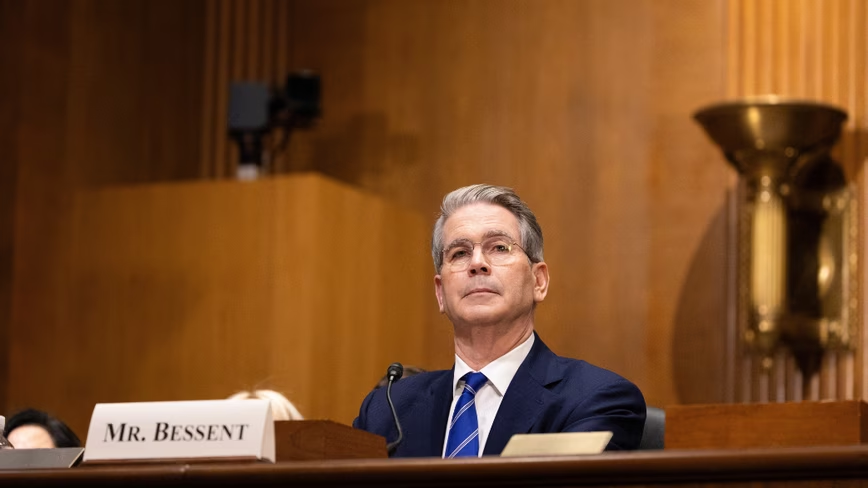
US Treasury Secretary Scott Bessent has expressed frustration with certain AI industry leaders who raise alarm about potential risks but fail to propose effective solutions. In an interview with Axios, Bessent emphasized that such alarmism without actionable remedies does not constitute true leadership. His comments come amid growing debates over the future and regulation of artificial intelligence technologies. Prominent figures like Anthropic’s Dario Amodei, OpenAI’s Sam Altman, and xAI’s Elon Musk have been central to these discussions.
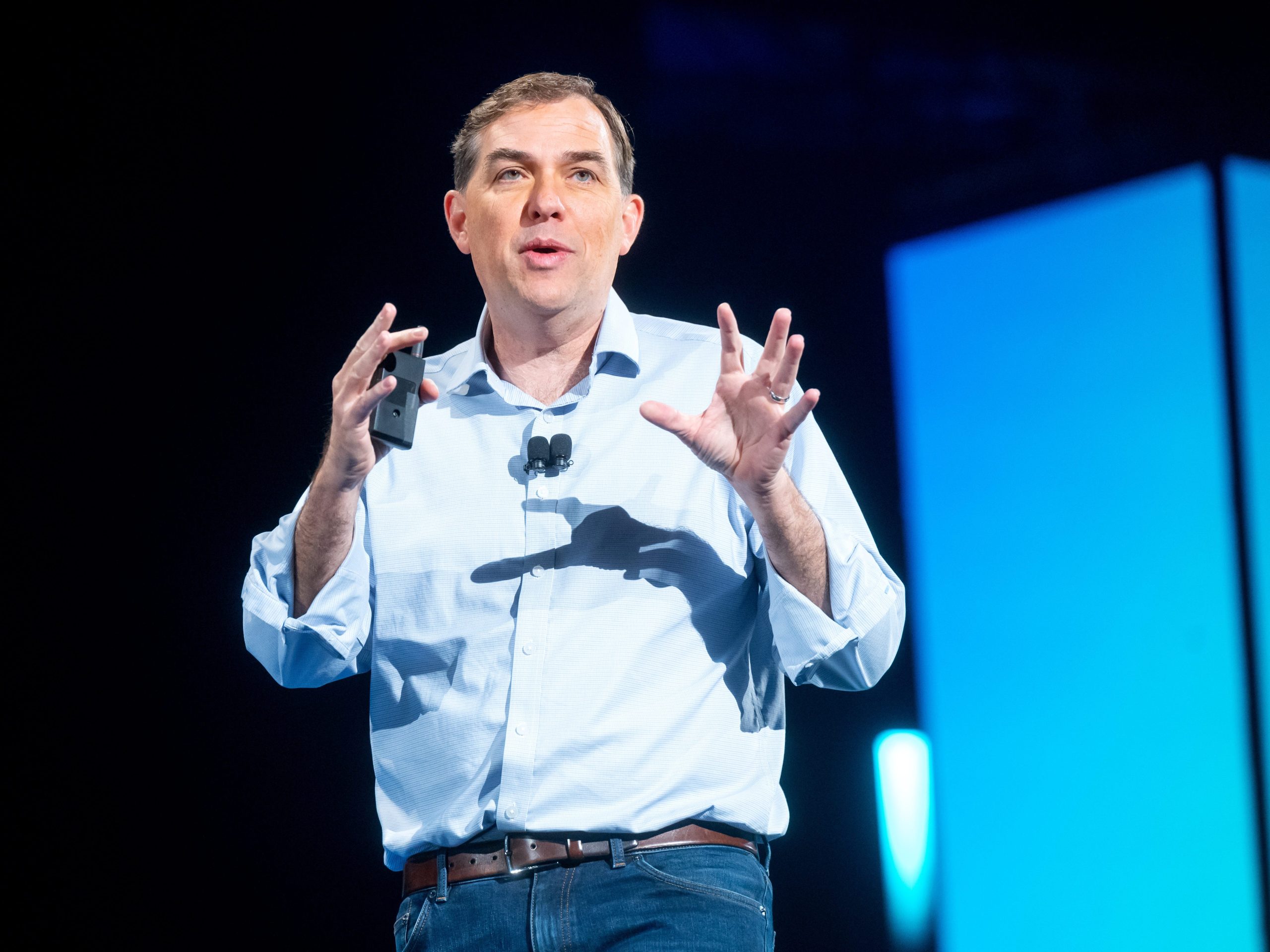
David Robinson, a key figure in OpenAI’s safety team, has resigned, criticizing the company's internal culture as deeply flawed. He expressed concern that AI developers, including OpenAI, are not exercising enough caution in the fast-paced evolution of AI technology. Robinson, who was responsible for safety reports accompanying OpenAI’s product launches like ChatGPT, detailed his reasons in an essay titled "I quit OpenAI because its culture is broken."

Amazon Web Services CEO Matt Garman cautioned that the US risks falling behind in the global tech race if data center moratoriums continue. Drawing lessons from World War II, he emphasized that the consequences of limiting data infrastructure development could be felt for generations to come.

Instead of directing AI to complete your tasks, try asking it to critically evaluate and challenge your work. Research indicates that heavy dependence on generative AI might diminish critical thinking and degrade professional skills due to cognitive offloading, which can result in lower-quality outcomes. However, using AI to introduce constructive friction can offer a clear advantage. University of Massachusetts (Amherst) Professor Monideepa Tarafdar suggests that encouraging AI to present opposing viewpoints helps avoid the echo chamber effect caused by AI tailoring outputs based on previous inputs. For instance, marketing professionals who request AI to simulate dissatisfied customers gain fresh insights, while an attorney using AI to identify legal loopholes uncovers unexpected scenarios. Multiple studies have demonstrated that human-AI collaboration, especially when disagreements are involved, yields superior results compared to human or AI working alone. Leaders should promote "friction-generating queries" where employees use their expertise to question AI outputs, turning what seems like resistance into a tool for better innovation and performance.


More than 25% of marketers hired this year possess AI-ready skills, compared to only 9% of CMOs who have held their positions for over four years. This highlights a growing gap in technological proficiency within marketing leadership amid increasing demands and faster turnover.


After nearly 18 years with LinkedIn and Microsoft, Ryan Roslansky is departing the company. Formerly LinkedIn's CEO, Roslansky was promoted to lead Microsoft Office last year and recently took over Microsoft Teams. His exit has set off a new round of leadership changes within Microsoft. CEO Satya Nadella praised Roslansky's contributions, highlighting the progress made in unifying product, engineering, and design efforts to pave the way for future growth.