A recent survey reveals that many U.S. companies are lowering employee wages and cutting jobs as part of efforts to invest more heavily in artificial intelligence technologies.
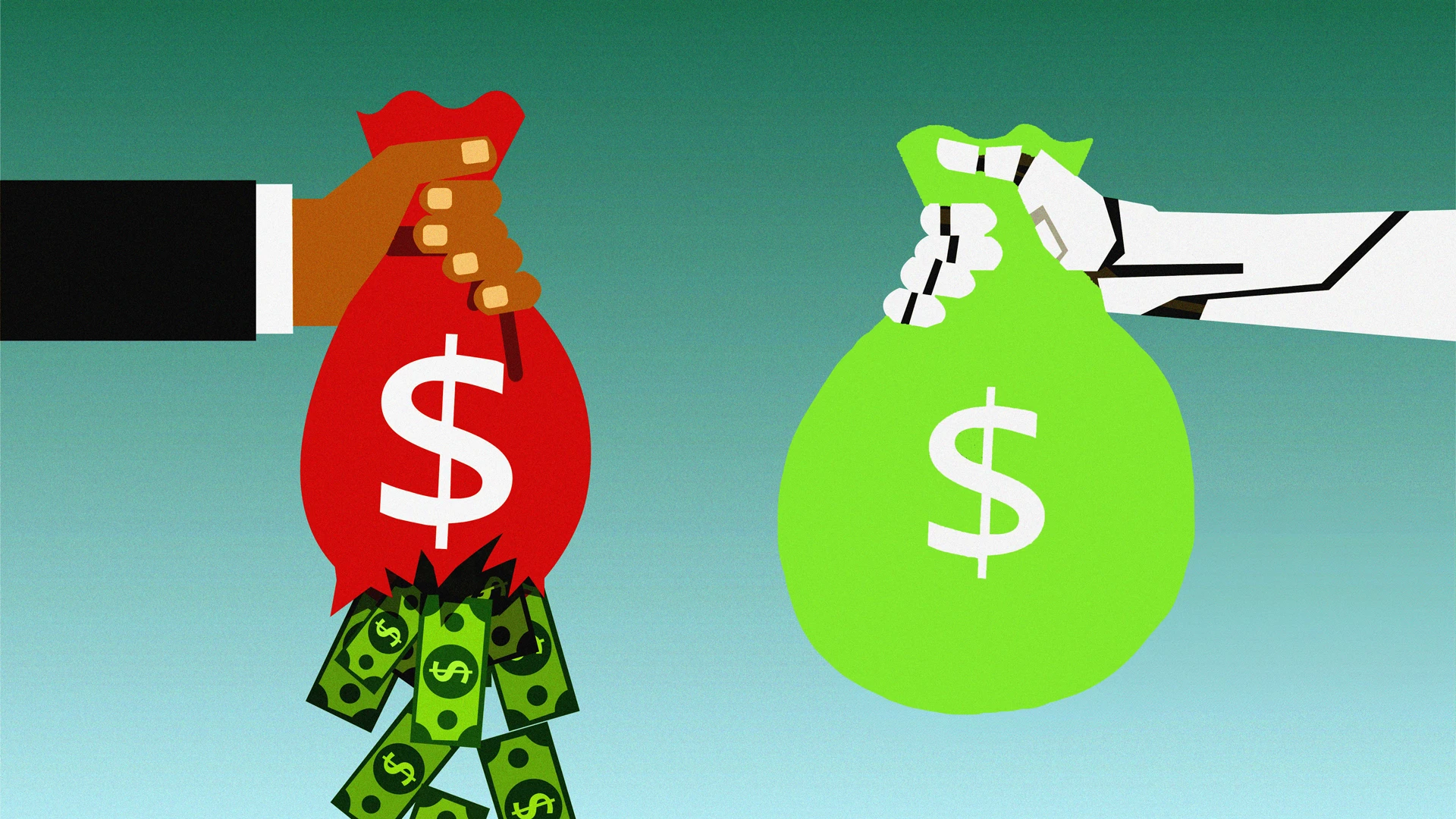
AI technology is reshaping the corporate landscape, leading not only to job losses across various levels but also causing chief executives to step down from their leadership roles.

Hurrying leadership choices can negatively impact the customer experience, leading to a gradual erosion of trust that can harm the brand's reputation.

Jamie Dimon and economist Dr. Doom, among others, have raised concerns about how artificial intelligence could disrupt the U.S. labor market and affect employment opportunities.
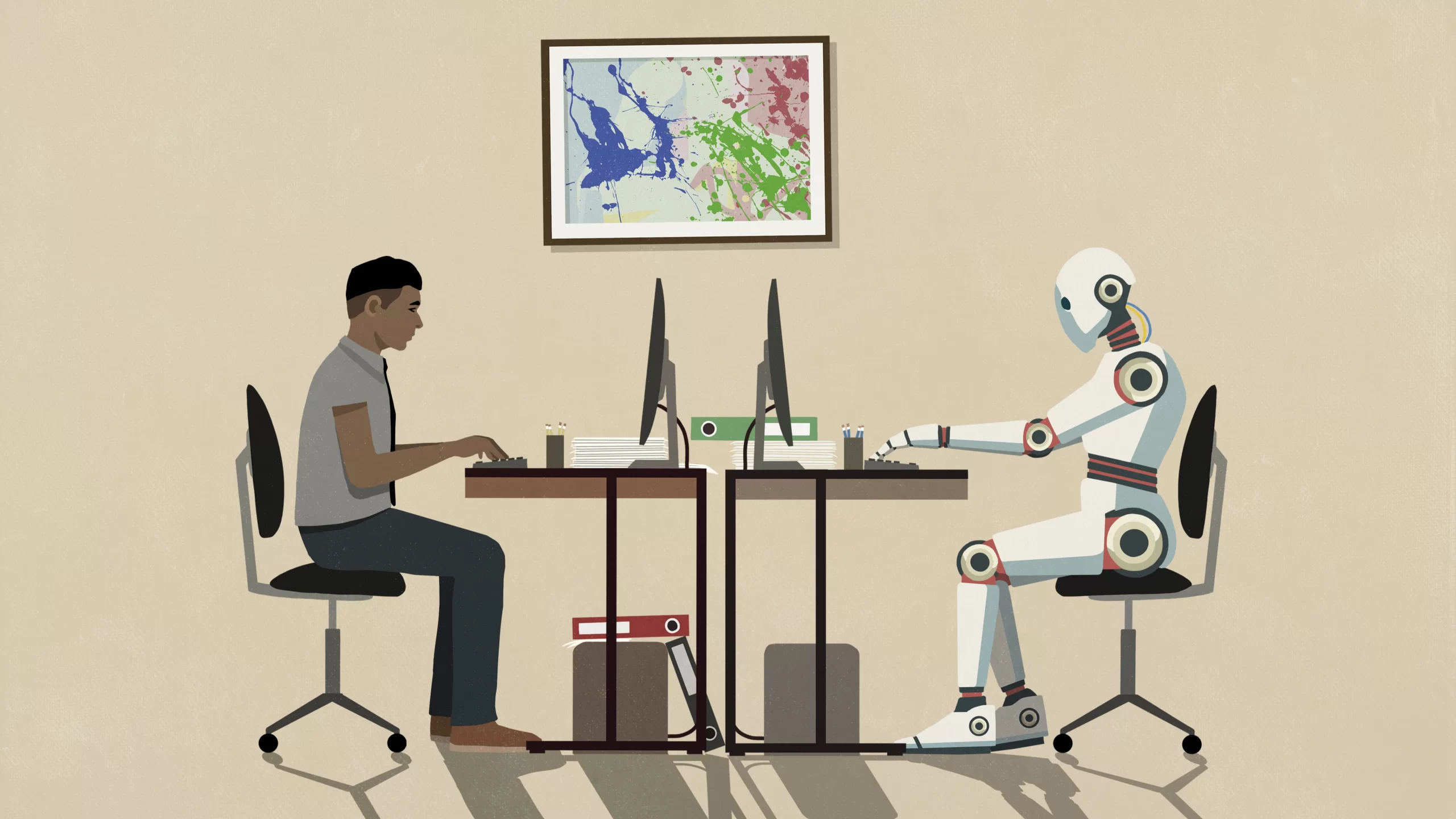
Mark Cuban, known for his keen sense of tech trends and cultural shifts, envisions AI achieving what labor movements have long sought: reducing the length of the workday without a pay cut. His prediction highlights AI’s potential to improve work-life balance and empower employees in unprecedented ways.

Lasting business insights stem from the challenges you face and overcome, rather than mere theoretical knowledge.

Tech and talent leaders are seeing their compensation rise as boards recognize the critical role of AI-driven digital capabilities and workforce strategies in managing business risks.

Meta has announced new layoffs as it intensifies efforts to expand its artificial intelligence capabilities and infrastructure.
AI isn’t eliminating jobs because people lack the right skills. Instead, it’s rewarding those who can adapt quickly—and our current labor systems aren’t designed to foster that kind of adaptability.
Success isn't about having the flashiest product or service; it's about how effectively you solve a vital problem for your customers. Your startup's value lies in its ability to become indispensable by helping clients accomplish key tasks.