Hackers exploited a vulnerability in Optimizely, a tool used by many large brands to test website changes, to plant malicious code on 178 major websites including HSBC, Zoom, CNN, IKEA and Salesforce, according to Reuters. The code was served to site visitors on 16 November and was designed to steal credit card details, swap crypto wallet addresses and deploy hacking tools to iPhones. Security researcher Scott Helme, who uncovered the attack, said users could have been affected simply by visiting these sites.
Optimizely stated it has now fixed the vulnerability and removed the rogue code. The attack method allowed hackers to reach a wide range of users by compromising a single third-party vendor, raising concerns about the security of digital supply chains. Major financial and healthcare brands were among those affected, increasing the risk of data theft and fraud for both organisations and their customers.
For regulated firms, the incident shows the ongoing risk posed by third-party digital tools. Reviewing vendor management, incident response and customer notification procedures is advised. The attack may prompt regulators and boards to question current controls and require evidence of improved oversight.
Launching AI solely in English may be quick, but it misses out on a vast global audience. To reach your next million users, it's essential to go beyond basic translations and truly cater to multilingual needs.

A recent report highlights a growing trend where employees are increasingly tasked with overseeing AI bots, yet are not receiving corresponding raises or changes in job titles.

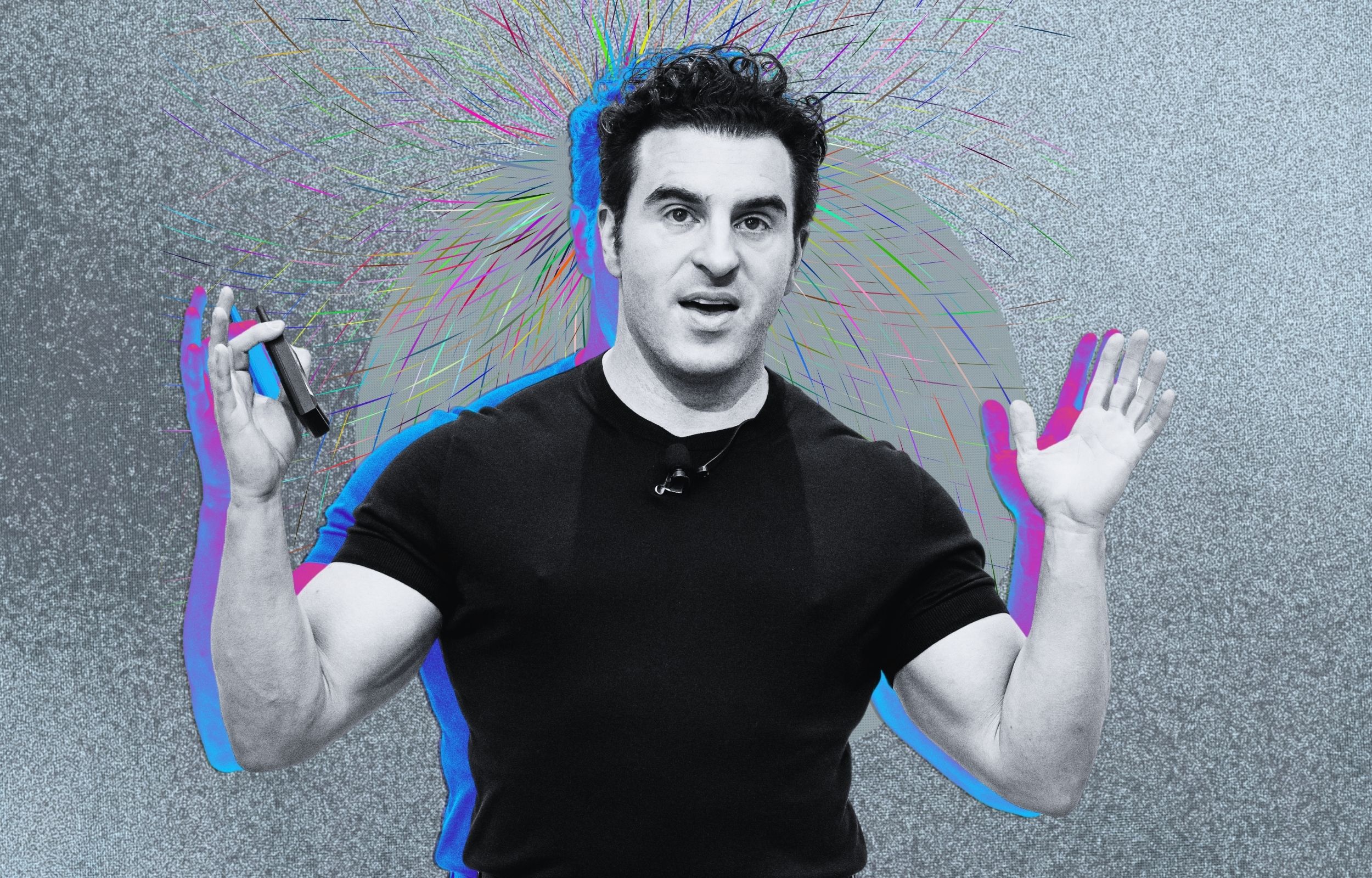
Brian Chesky, CEO of Airbnb, faced an overwhelming schedule filled with meetings. To tackle this common executive challenge, he developed an AI-driven system that significantly reduced the time he spends in meetings, allowing him to focus on more strategic priorities.
Our recent study with 315 participants revealed a surprising insight: those we assumed would easily spot AI-edited videos—your smartest customers—were actually the most prone to being fooled. This challenges common assumptions about content authenticity and highlights a new vulnerability in customer trust that businesses need to address.

Dr. Oliver Kharraz, CEO and physician, shares insights into the challenges that have stalled major corporations like Walmart and IBM in their attempts to transform healthcare. He highlights the unique complexities and nuances of the healthcare sector that require more than just business acumen to navigate successfully.

For two decades, ranking on Google’s first page was the key to online visibility. Now, with the rise of AI-powered search, the rules have shifted dramatically. Discover what this means for your brand and how to adapt in this new digital landscape.

A straightforward, actionable guide for CEOs who find their plans off track as they approach Q4 — designed to help address current challenges and prevent them from spilling over into the next year.

The idea behind the 'SaaSpocalypse' is that companies will abandon traditional software purchases, opting instead to use agents to create needed solutions. However, this perspective misses important factors that suggest software will continue to play a vital role in enterprise operations.

From ghosting candidates to unclear salary details, ineffective hiring communication is driving away the best talent. Learn why building candidate trust is becoming the key competitive edge in recruitment today.