Honda has abandoned its ambitious goal to go all-electric by 2040, choosing instead to refocus on hybrid gasoline-electric technology—a move that marks a significant shift from its previous plans and signals a pause in the EV race for the Japanese automaker.

The chief technology officer at Palo Alto Networks issues a stark warning for businesses: AI-driven cyberattacks exploiting software weaknesses are accelerating, and companies have only 3 to 5 months to strengthen their defenses before such attacks become a routine threat. This limited window highlights the urgency for organizations to adapt rapidly or face increased risk.
Justin Judd, CFO of BambooHR, explains effective strategies for retaining junior talent and reducing early turnover in entry-level positions.

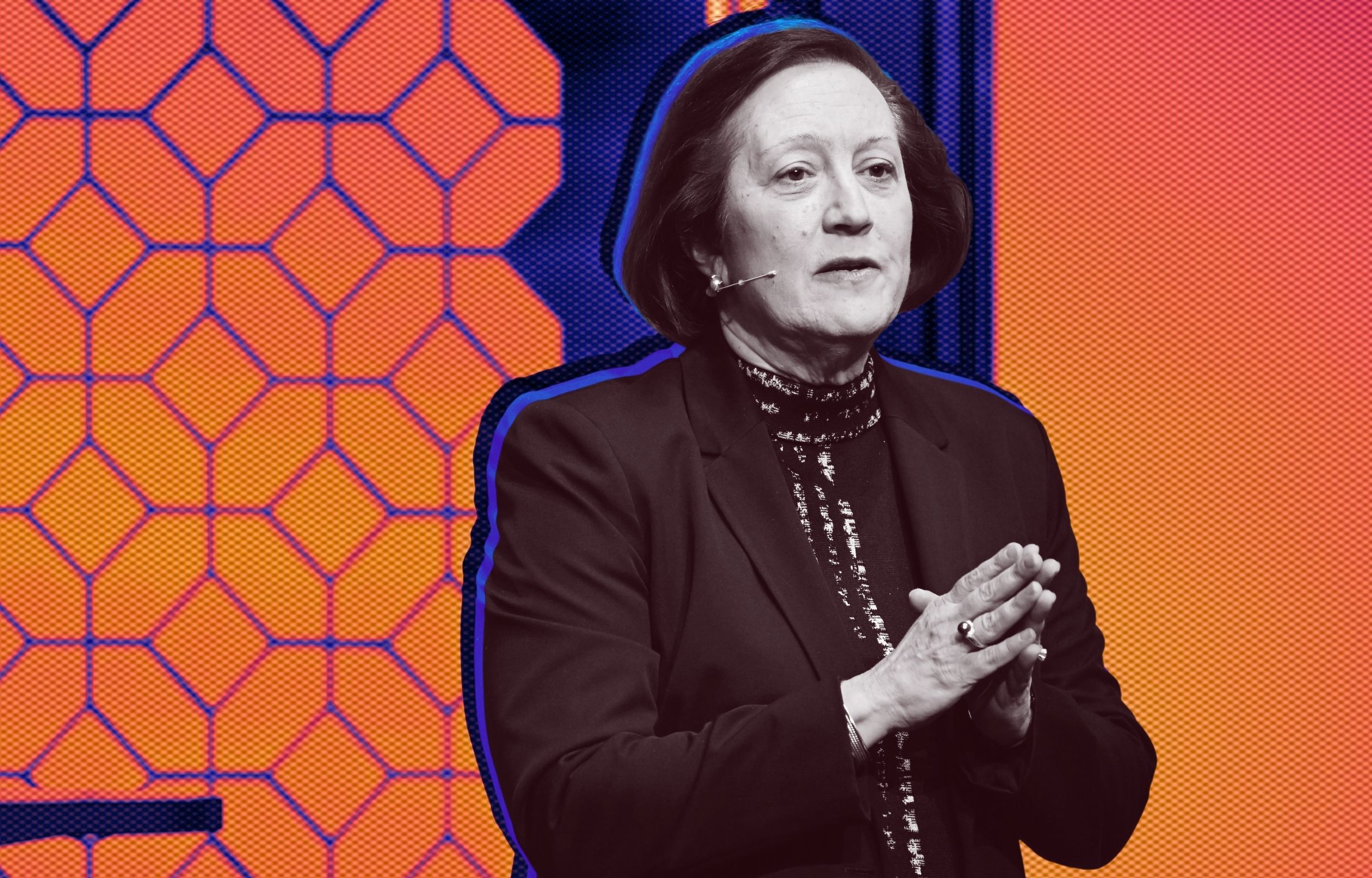
Judy Marks, CEO of Otis, believes that recent college graduates hold a distinct edge despite concerns surrounding AI's impact on entry-level employment.
Opo is revolutionizing retail trading by offering intelligent tools traditionally reserved for institutional investors, leveling the playing field for everyday traders.

Inspire Brands, which operates over 33,300 restaurants globally, has confidentially submitted paperwork for an initial public offering. This move could position the IPO as one of the largest restaurant market entries to date.

Vinod Khosla, head of the venture capital firm Khosla Ventures which oversees assets exceeding $15 billion, shares his insights on the rapid expansion of AI's capabilities. He forecasts that within five years, AI will be capable of performing 80% of jobs currently done by humans. Khosla also emphasizes which skill will become the most important for thriving in this evolving AI-driven landscape.

TTEC has paused the 401(k) employer match for 16,000 employees, directly linking the move to increased investment in artificial intelligence technologies.
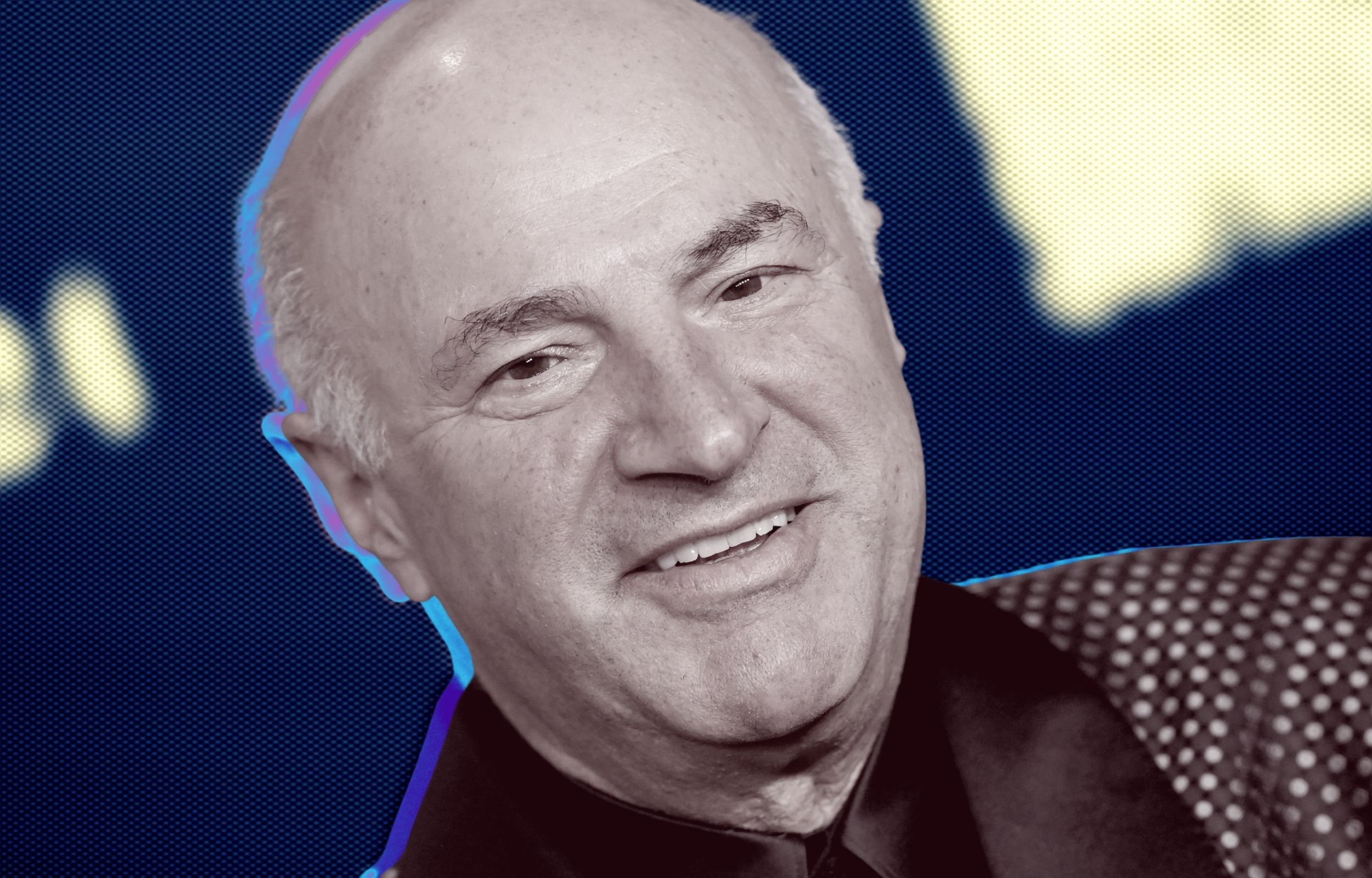
Kevin O’Leary, known for Shark Tank, aims to create a $100 billion AI data center in Utah, promising 10,000 new jobs. However, local residents worry the project could severely impact the Great Salt Lake through high water consumption, increased emissions, and toxic dust risks.
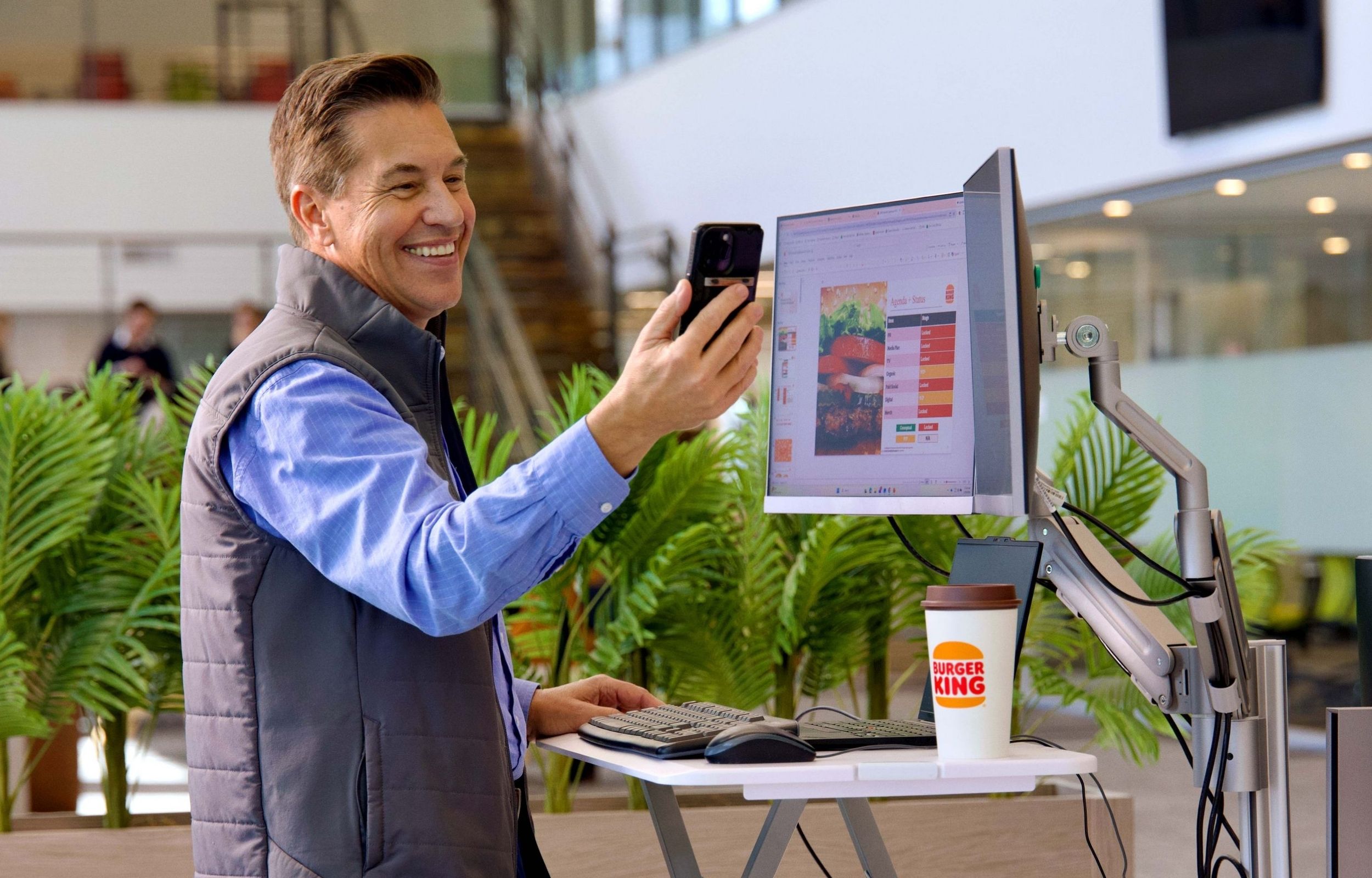
Tom Curtis, Burger King's CEO, personally took 1,500 customer calls—even to the point where his wife had him take calls on the porch. These conversations have directly led to fixing broken signs and influencing menu updates, demonstrating a hands-on approach to improving the customer experience.