X has unveiled Creator Connect, an innovative AI-powered platform designed to instantly connect brands with creators who align with their campaign objectives. Leveraging insights from xAI, the tool evaluates campaign goals, audience preferences, and trending topics to identify influential creators driving platform culture. After setting campaign objectives, X handles the entire process—from finding and contacting creators to managing campaign execution and distribution—while ensuring brands have the final say on approvals. This launch is a key part of X's 'Year of the Creator' initiative, which also features updates like Creator Subscriptions 2.0, Exclusive Threads, and enhanced revenue-sharing opportunities, highlighting X's dedication to fostering creator monetization and AI-enhanced brand collaborations.

Google's Nano Banana image-generation tool made waves in 2025 for its powerful photo editing capabilities and has since enabled over 50 billion images to be created. Moving beyond one-off uses like simple image or video generation, Google is evolving its Flow platform into a comprehensive creative assistant for artists, filmmakers, and professionals. Flow, enhanced by the Gemini Omni AI model, now offers a collaborative chat interface to storyboard, develop characters, and produce videos while maintaining artistic consistency like camera lens effects. Creators can also customize and share tools within Flow, fostering a community-driven workflow. Initially targeted at filmmakers, Google quickly recognized Flow's broader appeal, now serving marketers, architects, educators, and diverse creatives eager to harness AI-native tools.
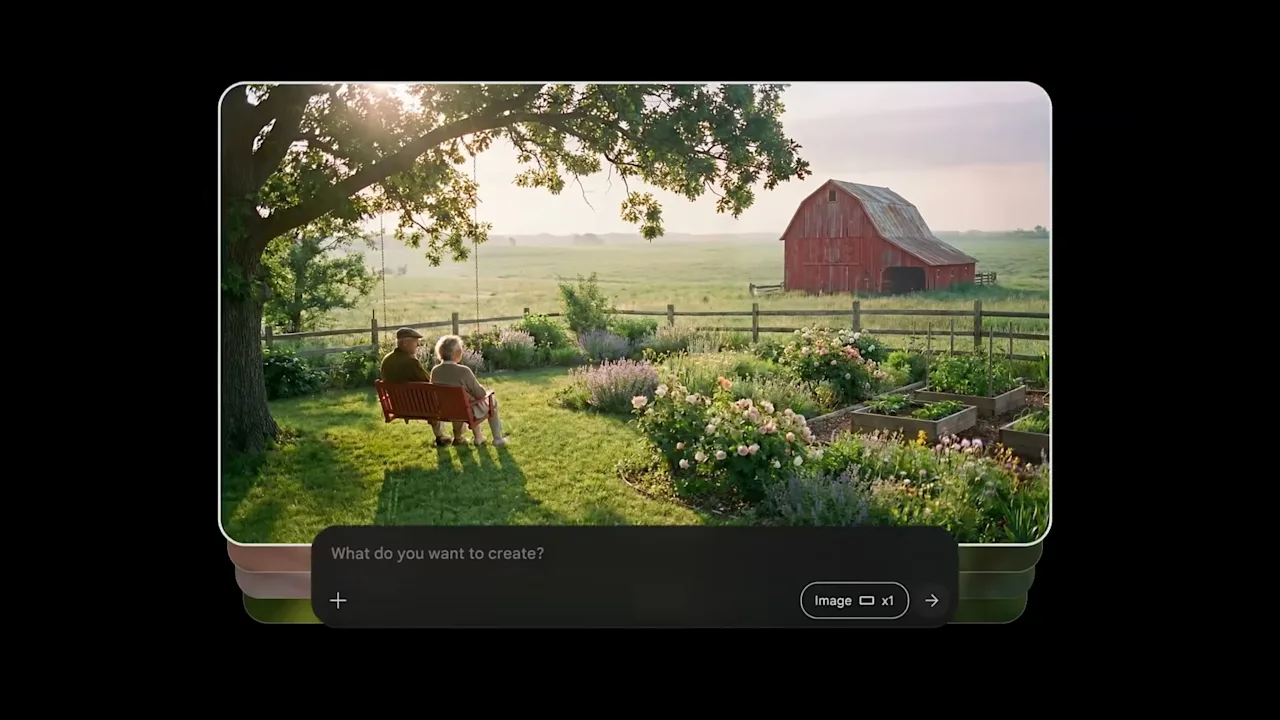

The rapid evolution of generative AI from simple chatbots to complex media creation has revealed significant infrastructure challenges, especially regarding real-time rendering that demands immense computational power. fal, a San Francisco-based startup valued at $4.5 billion, bridges this gap by serving 2.5 million developers worldwide through a unified platform offering access to hundreds of AI models for image, video, and audio production. Recently, fal announced its choice of Amazon Web Services (AWS) as its preferred cloud provider, aiming to leverage AWS's global scale, reliability, and advanced hardware to ensure 99.99% uptime and superior performance. This partnership eliminates the need for developers to manage costly and complex GPU infrastructure themselves, empowering creators, studios, and enterprises such as Canva, Adobe, and Amazon MGM Studios to integrate cutting-edge AI capabilities with ease. fal’s platform also addresses enterprise needs for security and compliance while fostering innovation by democratizing access for developers from all backgrounds. The collaboration underscores a shift towards scalable, enterprise-ready generative media solutions designed to accelerate the pace of AI-driven creative workflows worldwide.


Figma has unveiled its innovative AI assistant that works directly within its collaborative design canvas. This tool enables users to create, modify, and refine designs using simple natural language commands. Building on collaborations with Anthropic and OpenAI, as well as acquiring Weavy for $200 million, Figma is enhancing its AI capabilities to offer a seamless design experience. The AI integration reflects Figma's commitment to empowering designers by integrating advanced technology within its platform.

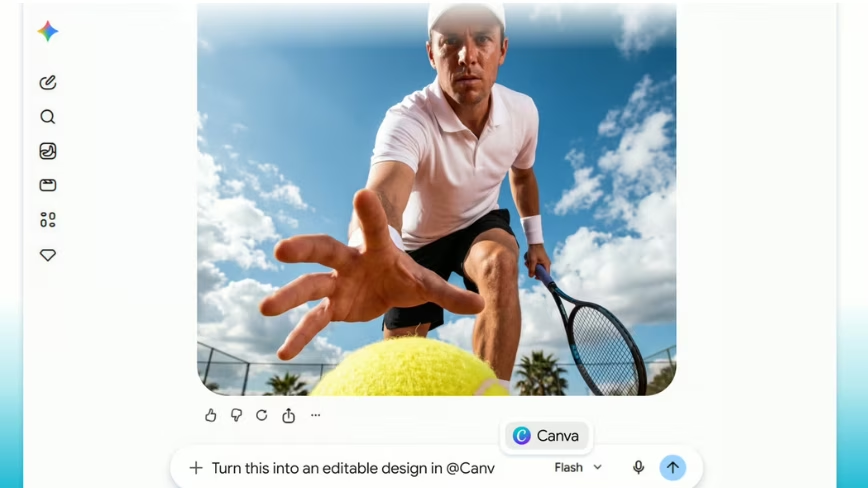
Over the past year, Canva has seamlessly integrated its design capabilities into leading AI assistants, starting with Claude, then expanding to ChatGPT and Microsoft Copilot. The latest step is its Connected App launch for Google Gemini, announced at Google I/O. This move allows Gemini users to effortlessly create, modify, and search visuals, marking the completion of Canva's strategy to become the underlying design layer for every major AI assistant.
Spotify and Universal Music Group (UMG) have reached a landmark licensing agreement that permits fans to legally create AI-generated covers and remixes of songs by selected artists. Announced on May 21, 2026, the deal introduces a paid feature for Spotify Premium users, ensuring that AI-created fan works are officially credited and compensated under a model focused on artist rights. This initiative prioritizes consent, credit, and fair payment, aiming to foster creative innovation while safeguarding the interests of human artists.

Magazine covers no longer have the cultural impact they once did.
Bruce Vaughn, the leader of Disney Imagineering, leverages his experience in the tech startup world to craft the enchanting experiences found in Disney parks.


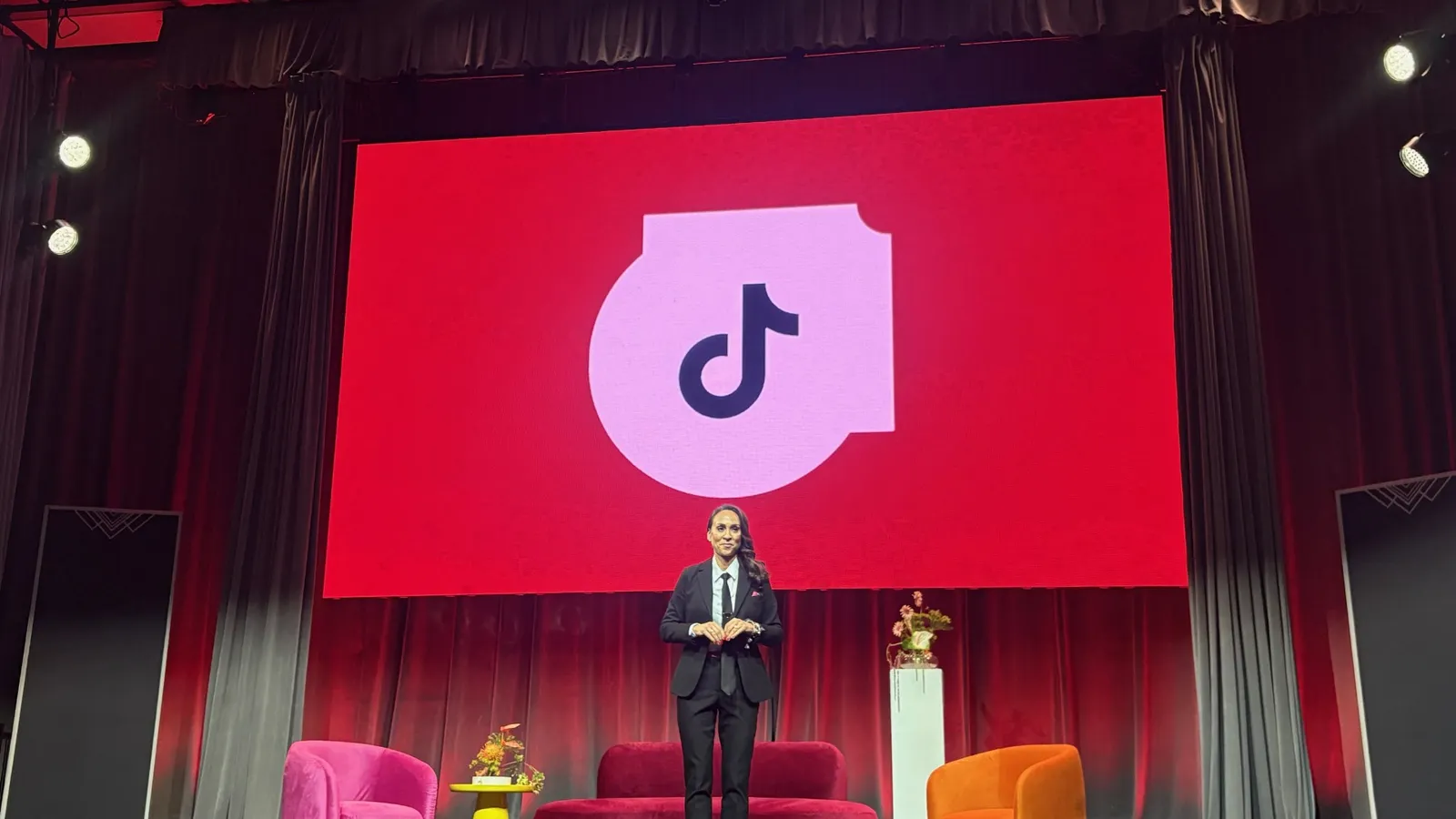
Despite some challenges during its transition to US ownership, TikTok showcased at the NewFronts event how it has become more secure, innovative, and independent, positioning itself strongly to advertisers looking for creative opportunities.
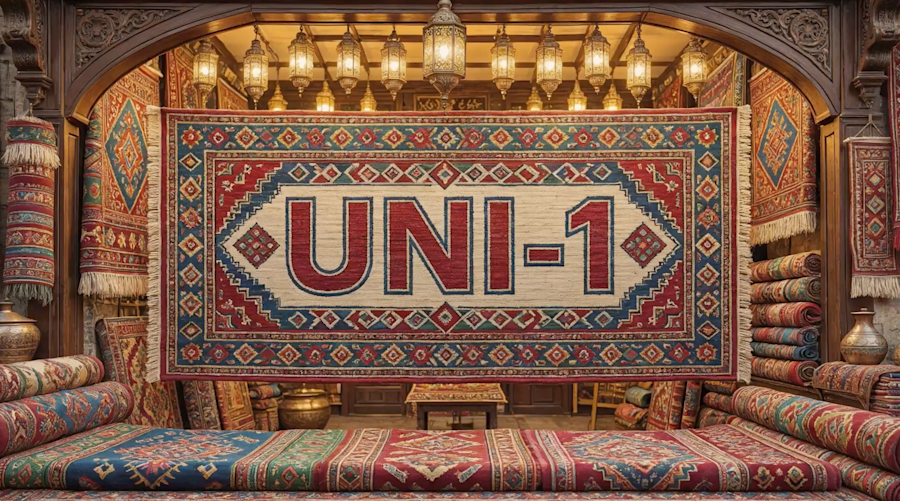
Luma AI has launched Uni-1, an innovative AI model that challenges the dominance of Google’s Nano Banana and OpenAI’s GPT Image models in image generation. Uni-1 stands out by integrating reasoning directly into image creation using an autoregressive transformer architecture, unlike conventional diffusion models. This allows Uni-1 to perform complex spatial, logical, and temporal reasoning tasks, making it a significant leap forward in AI image synthesis quality and coherence. It outperforms key competitors in reasoning benchmarks and object detection while delivering these results at 10 to 30 percent lower costs at high resolutions. Uni-1’s unified intelligence approach enables a seamless understanding and generation process, offering practical benefits such as iterative self-evaluation and refinement, greatly reducing manual effort for professional creative workflows. It powers Luma’s broader creative platform, Luma Agents, adopted by leading global brands and agencies, showing promising enterprise applications. While early feedback praises Uni-1's advanced reasoning capabilities and creative control, some users await further testing and wider API access. Luma’s model signals a shift in the competitive AI landscape, demonstrating that smaller, innovative startups can push the boundaries of AI technology despite competition from large tech giants.