


The adoption of AI-powered creative production is rapidly becoming standard practice among Chief Marketing Officers (CMOs) outside of the top-tier billion-dollar companies. This trend highlights a broader acceptance of scalable AI tools in marketing strategies across a wider range of businesses.
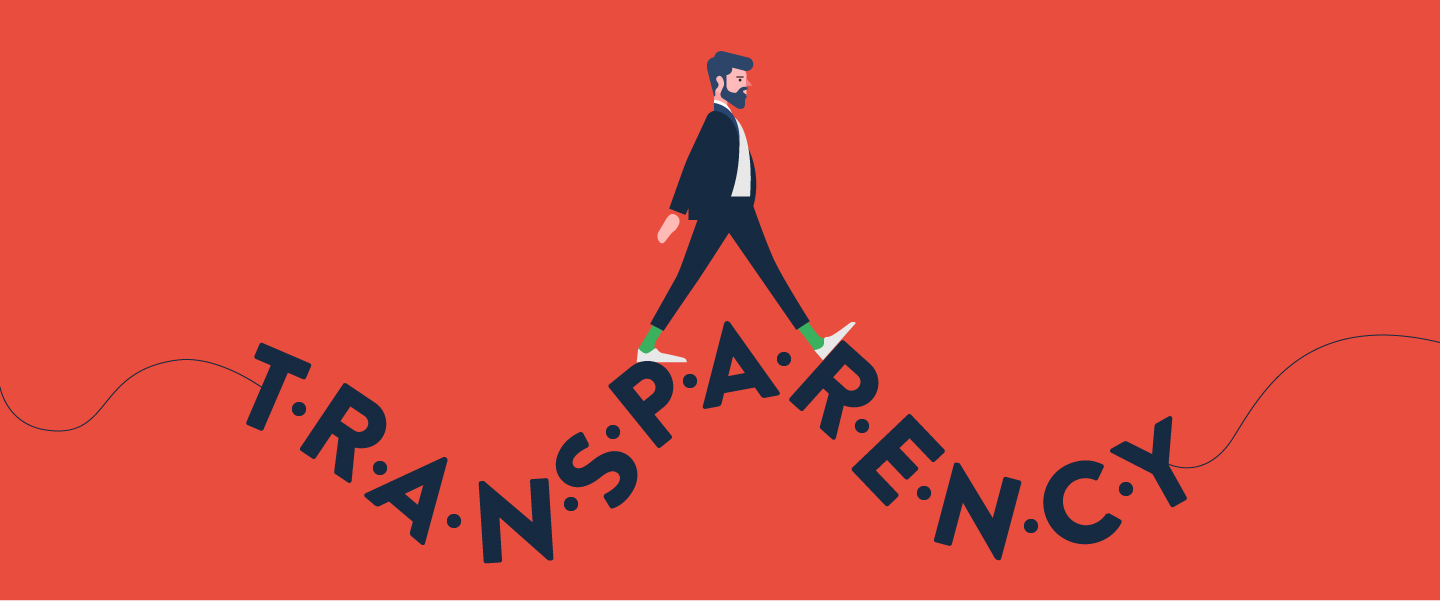
As budgets for creator marketing continue to rise, marketers are increasingly scrutinizing the fees agencies charge in these partnerships. The lack of clear visibility into agency commissions is becoming a significant issue, raising concerns about budget allocation and value. Marketers are calling for greater transparency to understand exactly how funds are being distributed and to ensure fair practices in managing creator collaborations.

Netflix's internal AI rollout was not just about technology; it involved careful thinking, detailed writing, and open conversations to ensure a smooth transition and gain trust from thousands of creative professionals.

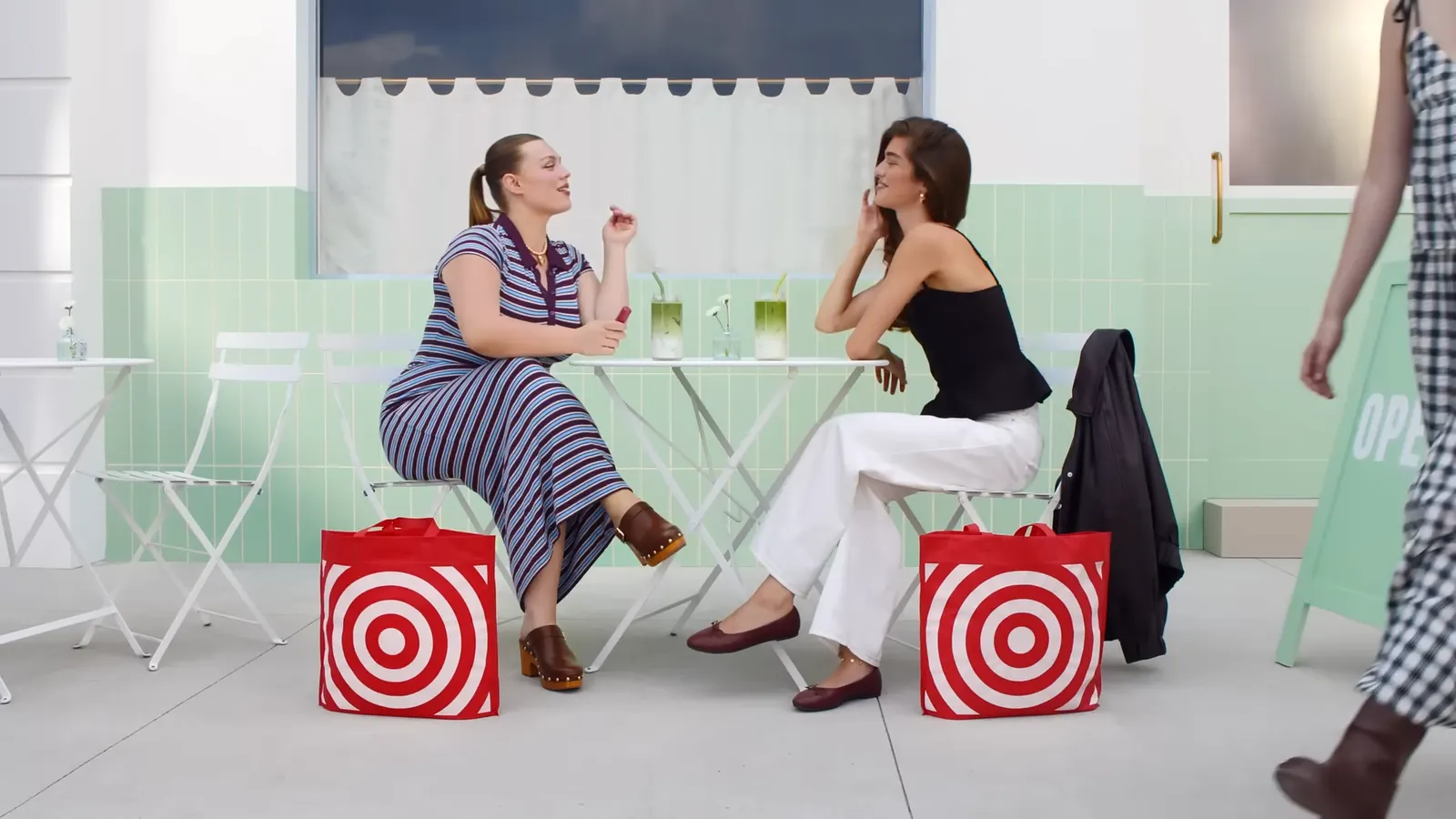
Target's latest campaign emphasizes its design heritage, integrating collaborations with creators and immersive brand experiences. This initiative aligns with the retailer's positive momentum in recent turnaround efforts, showcasing a fresh approach to engaging customers.

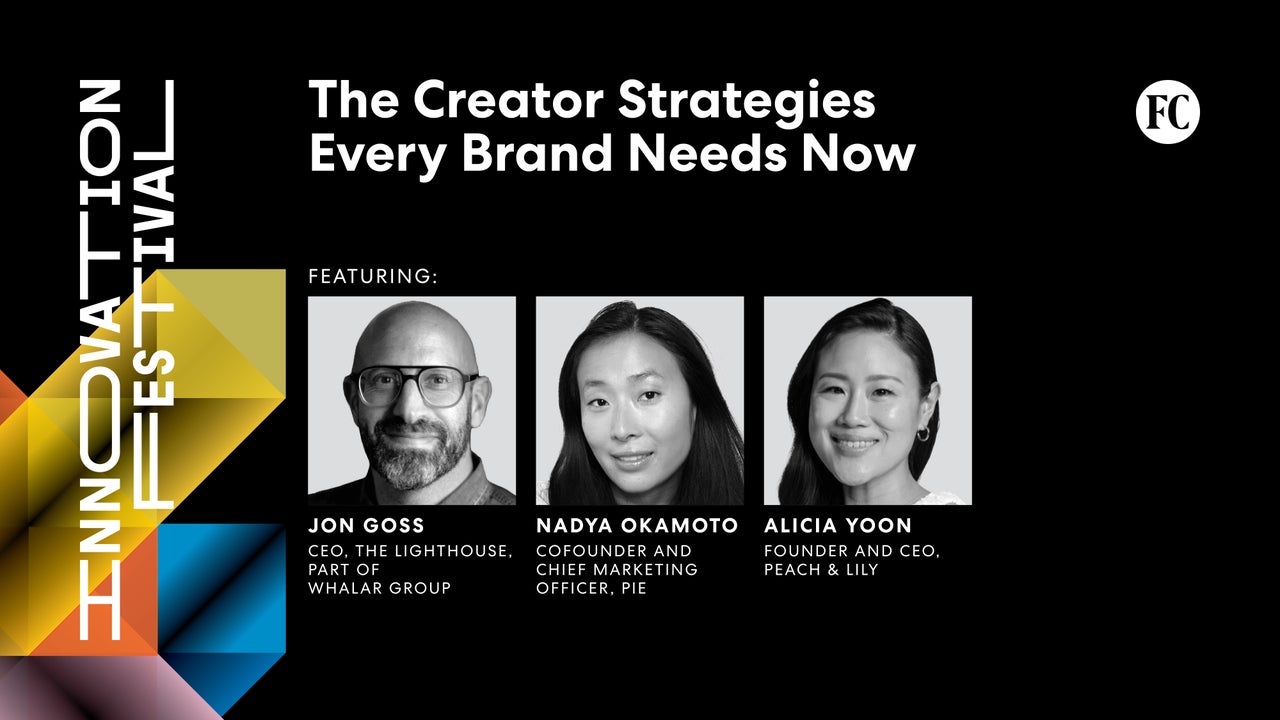
Influencer marketing has become a fundamental element in the branding landscape, but its dynamics are evolving rapidly. As audiences become more discerning, creators gain greater influence, and the boundaries between advertising, entertainment, and community blur, brands must rethink how to form effective creator partnerships. This discussion explores the future of the creator economy and what brands should focus on to stay ahead. Topics include selecting the right creators, developing partnerships that extend beyond one-off posts, and crafting content that feels genuinely authentic. It also highlights the strategies that cut through the noise, the important metrics, and why the most successful influencer marketing often doesn’t fit the traditional mold.
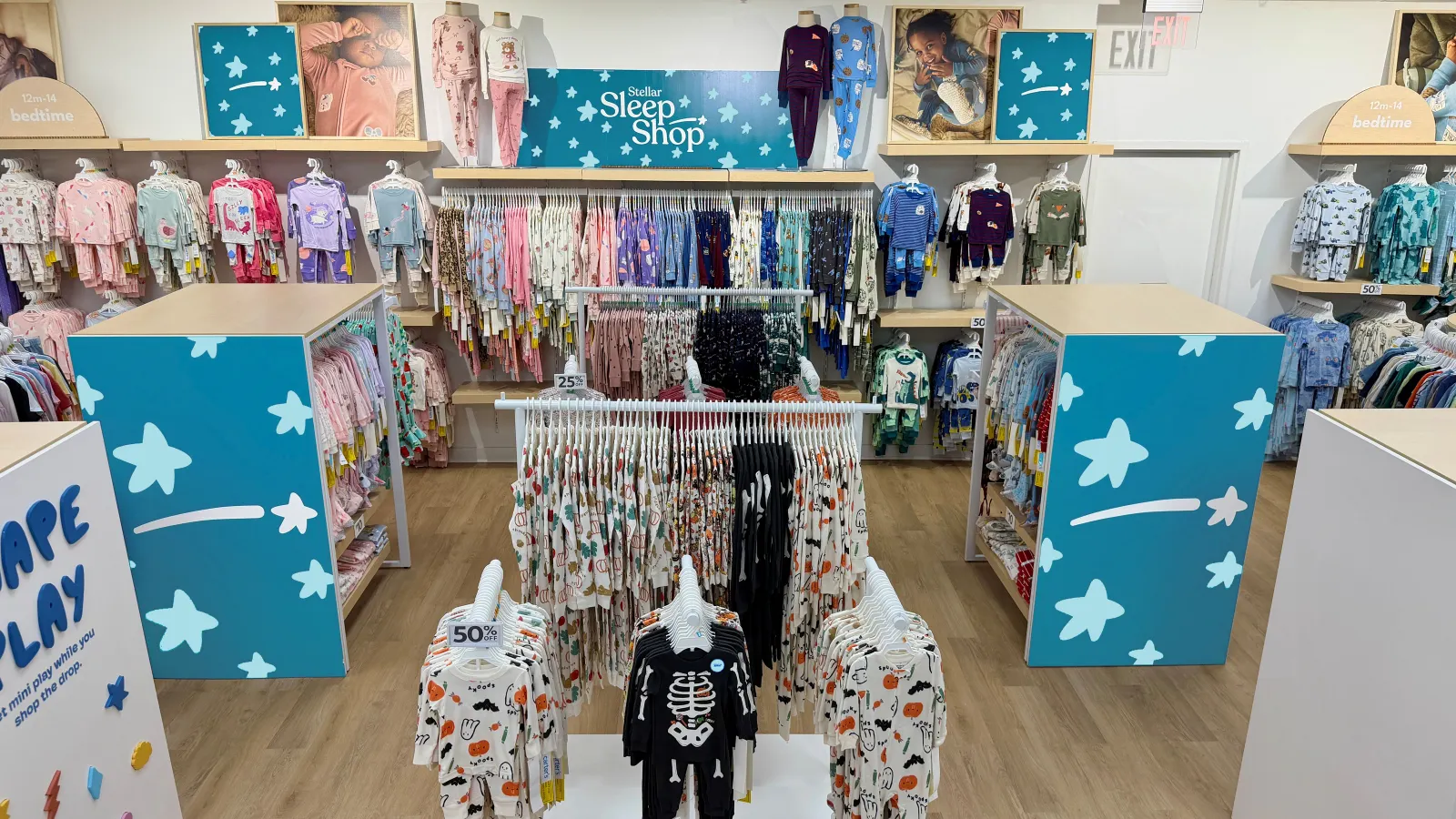
Carter’s has unveiled a fresh brand identity featuring a new logo and a redesigned social media approach. The latest campaign emphasizes self-expression to connect with Gen Z and millennial parents.
Creator briefs are evolving, increasingly resembling detailed AI search queries. This shift highlights how brands seek creators capable of appealing simultaneously to human audiences and machine algorithms, blending creativity with data-driven insights.


Google has introduced Google Pics, a new AI-powered creative tool that challenges established platforms like Canva and Adobe. Unlike traditional design software, Google Pics emphasizes an AI-first experience where users generate visuals through prompts rather than manual design, streamlining creativity for users of all skill levels.

Friction in the workplace often gets a bad rap, typically associated with conflict and discomfort. However, when managed well, these interpersonal tensions can actually fuel creativity, inspire innovative ideas, and enhance problem-solving. Rather than avoiding disagreements in favor of easy consensus, embracing contrasting viewpoints opens the door to fresh perspectives and solutions. Experts like psychologist Roni Reiter-Palmon highlight that true creativity emerges from debating ideas, not simply agreeing. Our brains naturally seek to resolve ambiguity, which explains why intellectual friction can spark moments of insight and breakthrough thinking. Studies show that when conflict is approached constructively, it boosts creativity and strengthens team connections. Learning to welcome disagreement requires practice, as modern routines often steer us away from discord. But by encouraging honest debates and moving beyond surface-level consensus, workplaces can unlock a 9% increase in idea generation. Ultimately, fostering a culture comfortable with conflict challenges the status quo and drives innovation—proving that a little discomfort is a small price to pay for creative success.


With AI tools becoming more common, many freelancers are now tasked with correcting AI-generated errors rather than producing new designs. Lisa, a freelance graphic designer in Spain, has experienced this change firsthand since ChatGPT's release in 2022. She shifted from creating original logos and packaging to mostly refining flawed AI outputs, which now make up the majority of her work, though often with lower pay and ethical concerns about copyright. Fatigued by this trend, she has started declining such jobs.
