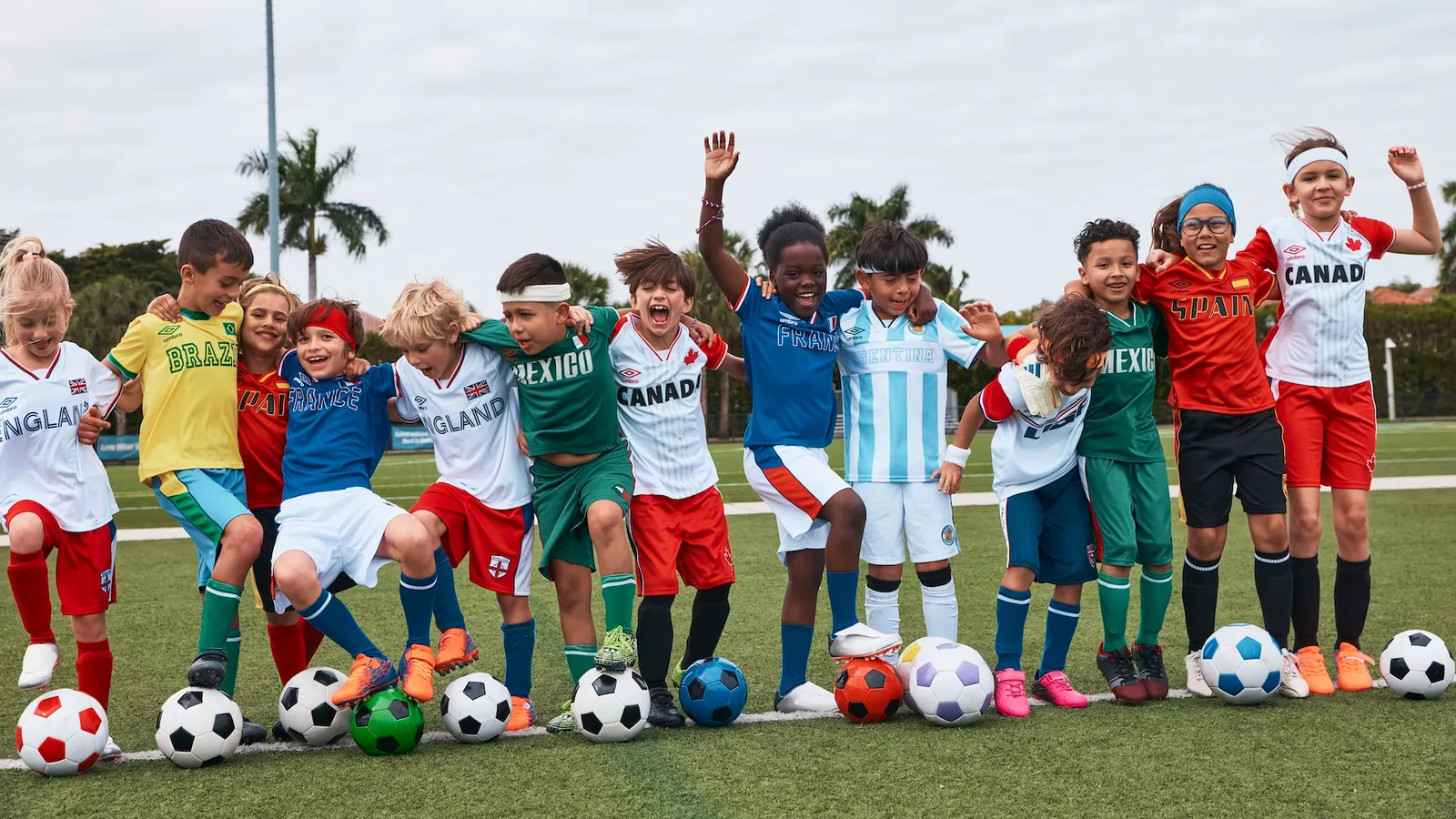
Global CMO Sarah Crockett’s first creative campaign captures a relatable moment in youth sports: parents worldwide inevitably shouting “Wrong goal!” This authentic insight underscores the brand’s connection to real-life experiences as it evolves its marketing approach.
CMO Don McGuire shares insights into Qualcomm’s strategy to elevate its Snapdragon brand, highlighting the latest campaign developed with creative agency 72andSunny that positions the tech leader at the forefront of consumer technology in the AI era.


Gucci's latest short film, Generation Gucci, directed by Oscar winner Jonathan Glazer, takes viewers on a surreal journey set in a moonlit roadside motel. The two-minute piece blurs the lines between dream and reality with striking visuals, including cars drifting across the night sky. The soundtrack transitions from Mina’s vintage pop to the intense energy of Slipknot’s "(sic)" before melting into Charles Aznavour’s soulful ballad. Slipknot percussionist M. Shawn "Clown" Crahan, inspired by Alexander McQueen, adds a fitting edge to the film’s fusion of fashion and chaos. The project also features Gucci’s 2026 collection, showcasing a seamless blend of high fashion and disruptive creativity.
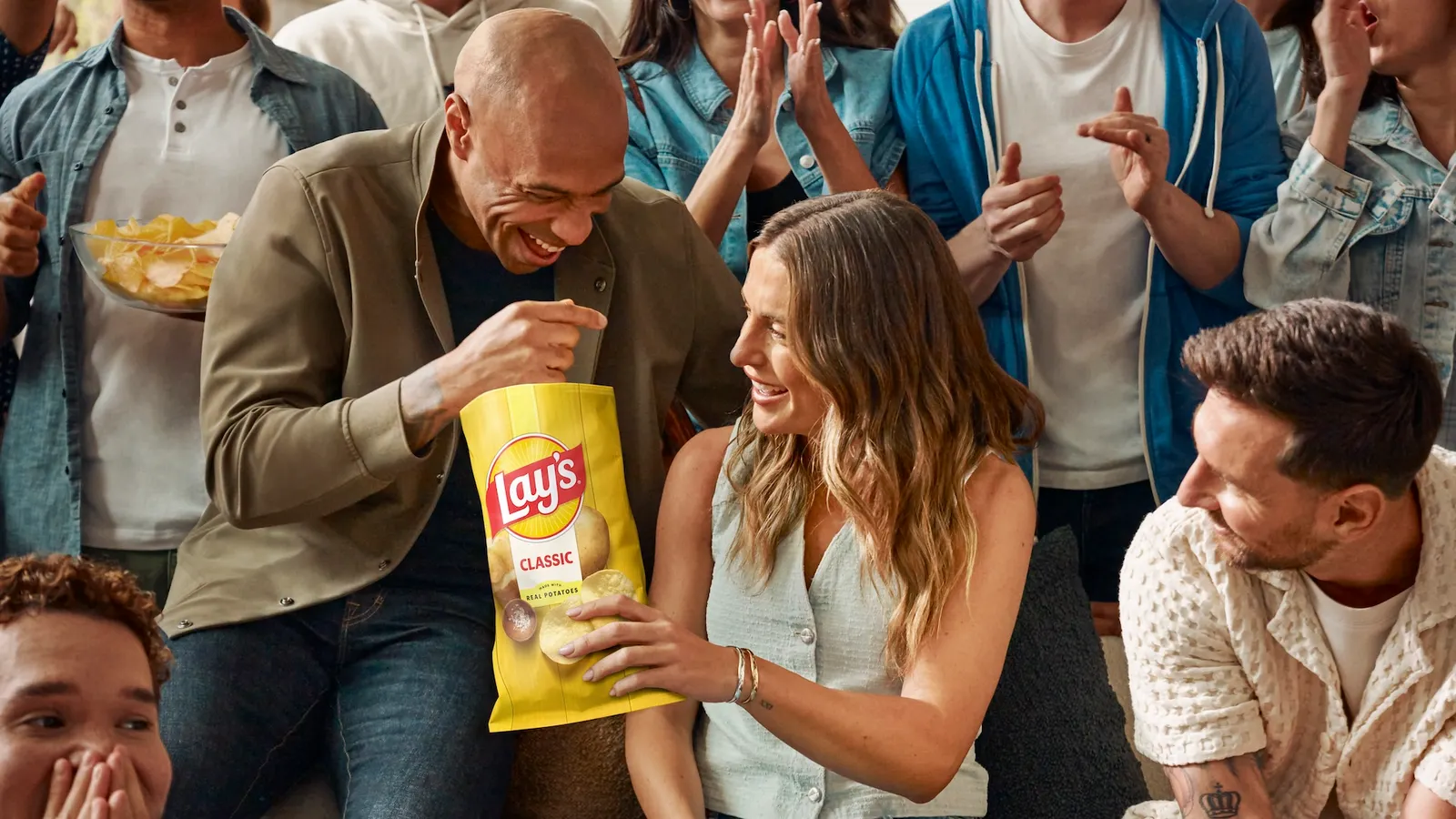
Lay’s is connecting with fans on a personal level during the World Cup by combining celebrity-driven advertisements with a vibrant WhatsApp community boasting 4 million followers. This approach fosters a sense of belonging and excitement around the event.

Peter Arnell has been brought on board by Airbnb co-founder Brian Chesky to serve as the first US Chief Brand Architect. Arnell, who recently joined Chesky’s National Design Studio during the Trump administration, is focused on unifying user experience across 27,000 federal websites to simplify how citizens interact with government services.

AI enables rapid creation of advertisement content, but brands must balance this efficiency with maintaining accuracy, fostering brand loyalty, and achieving strong campaign performance. Leveraging AI thoughtfully ensures that speed enhances rather than sacrifices the quality and impact of marketing efforts.
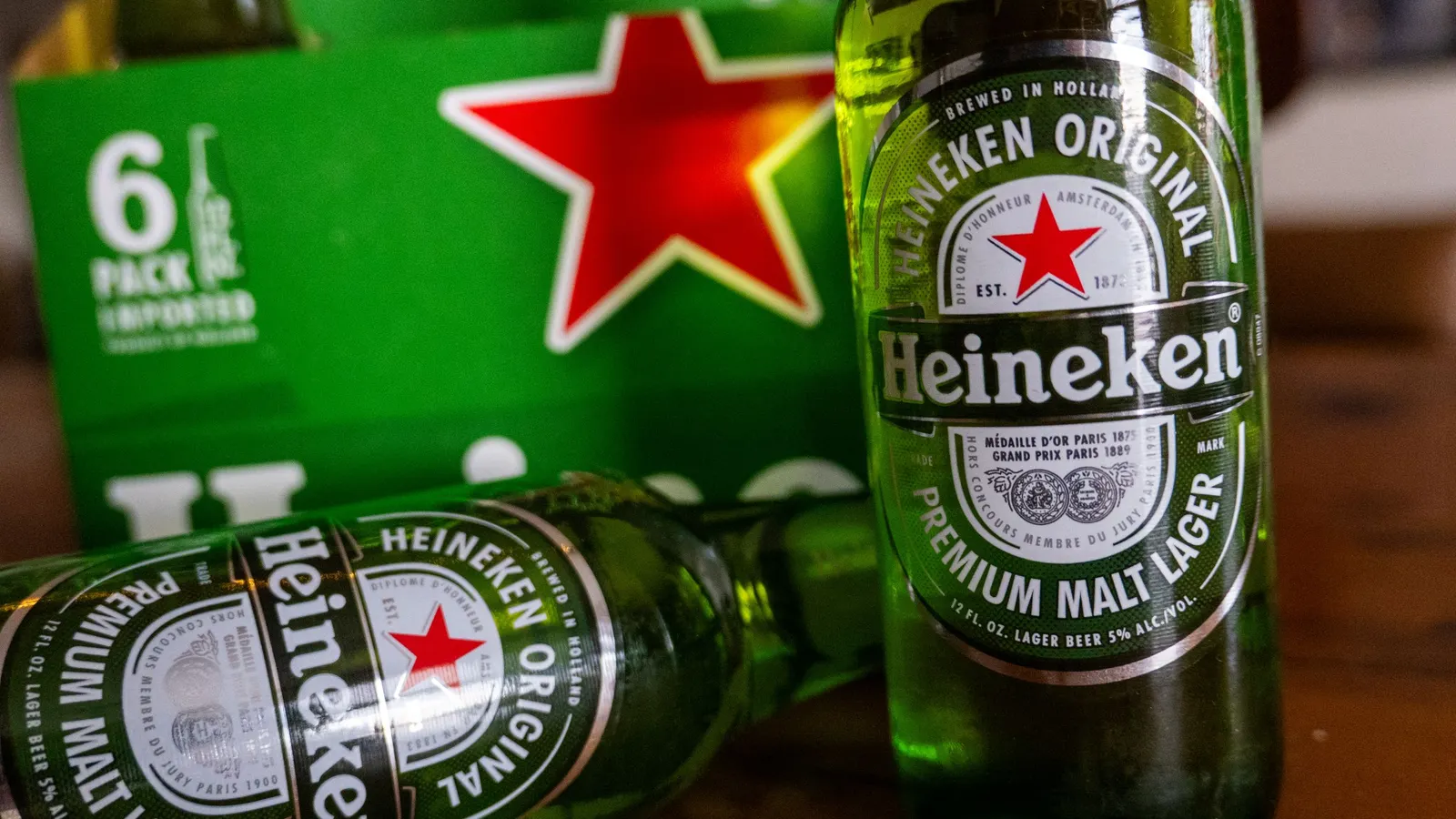
Heineken has narrowed its agency roster to prioritize a select group of partners geared for future success. Dentsu will maintain its global media responsibilities, continuing a partnership that has lasted over ten years. Meanwhile, creative services are being consolidated under Publicis, WPP, and Stagwell to drive integrated and innovative campaigns.

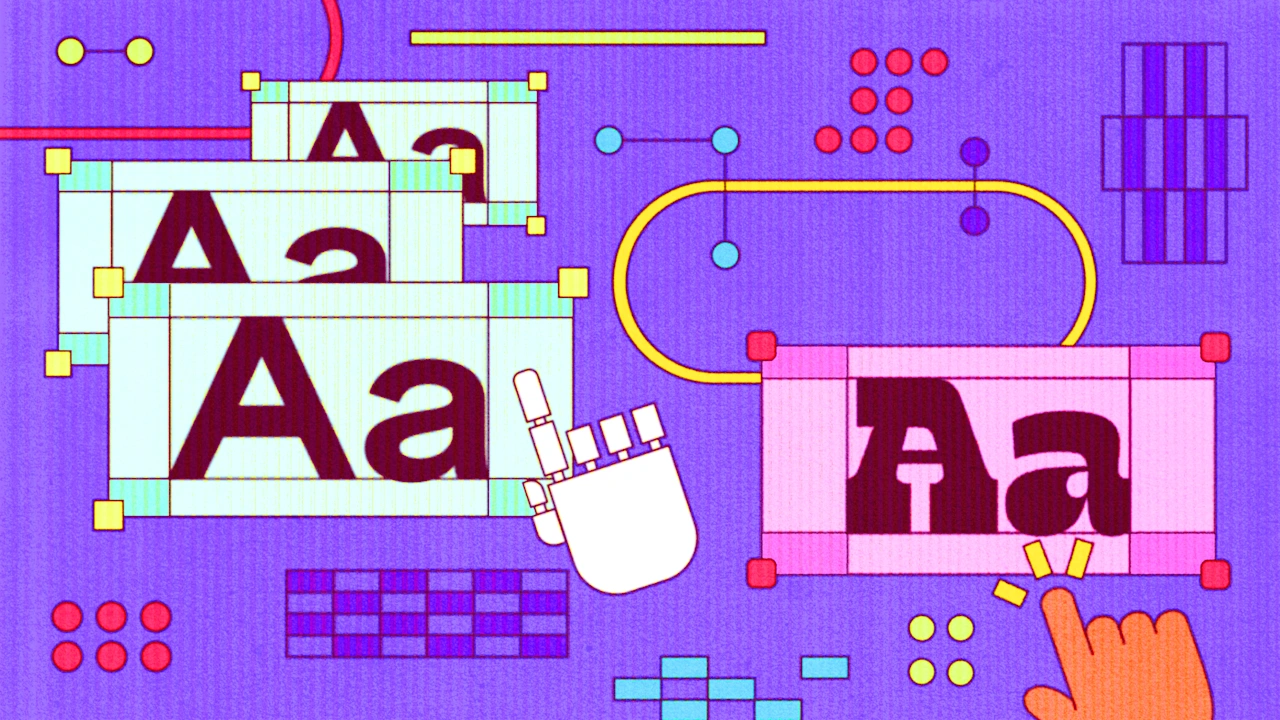
Anthropic has unveiled Claude Design, a tool enabling teams to generate visual designs through language prompts, simplifying layout and typography creation. While it speeds up design and reduces blank-page anxiety, it tends to favor legibility and familiarity, leading to more generic and less distinctive brand typography. This homogenization undermines brand recognition and uniqueness, which are pivotal for premium positioning and growth. Distinct typography acts as essential brand infrastructure, influencing numerous touchpoints consistently. Claude Design offers a solid baseline with commonly used free fonts, but relying solely on such tools risks producing derivative and overly familiar brand visuals. Brands can differentiate themselves by investing in custom typefaces or modifying existing fonts’s subtle details to reinforce identity. Examples include Walmart's Everyday Sans and Mailchimp's Means, which embody unique brand personalities. Ultimately, AI tools should accelerate design exploration, but human creativity remains crucial for building typography systems that endure, stand out, and embody originality in an age marked by increasing uniformity in brand fonts.

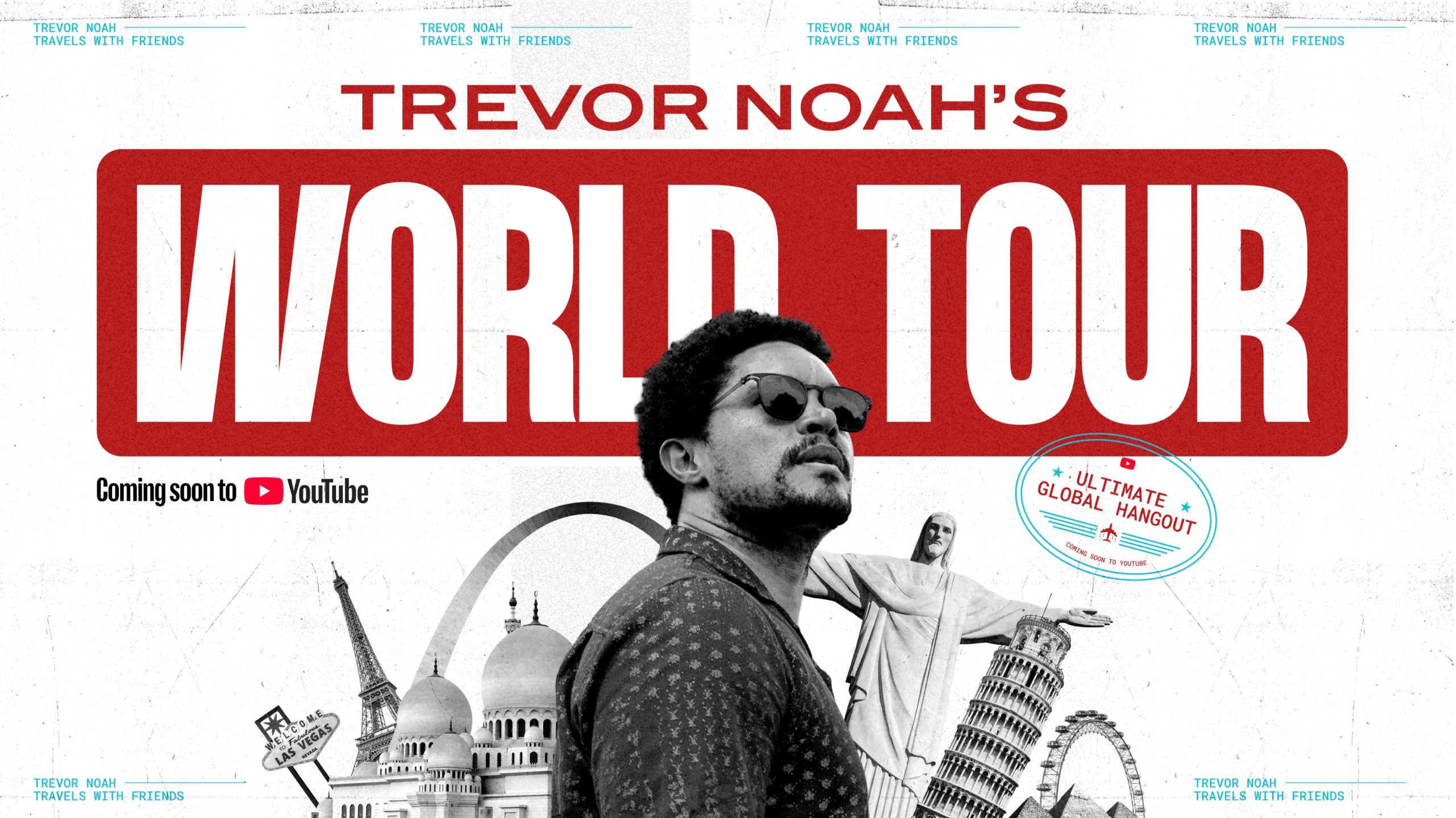
YouTube is enhancing its role as a key player in content creation by connecting creators and advertisers through exclusive streaming shows. At its annual advertiser event in New York, YouTube unveiled a new lineup featuring notable personalities such as Trevor Noah with a travel series, podcaster Alex Cooper producing a Met Gala documentary, and Kareem Rahma hosting a fresh series titled Subway Takes. The platform positions its creators not only as social media pioneers but also as influencers shaping the future of advertising, television, streaming, and entertainment at large. Advertisers are encouraged to invest in this innovative content slate as a way to tap into emerging entertainment trends.

Almost all marketers globally are leveraging AI tools for creative projects, yet a significant majority of consumers still favor human-made content. This disconnect highlights a key insight from Canva's 2026 State of Marketing and AI report, revealing a divide between industry excitement over AI and public skepticism.