Google recently unveiled significant updates to its AI-powered design tool, Stitch, signaling a strong commitment to advancing what they're calling "vibe design." The latest version introduces an AI-native design canvas that allows users to create, iterate, and collaborate using natural language inputs to generate high-fidelity UI designs. Key new features include an infinite design canvas reminiscent of Figma's, voice interaction capabilities, AI design agents for workflow management, and a comprehensive redesign of the user interface. Additionally, Stitch now supports enhanced design system integrations and offers instant prototyping functionalities. Following the announcement, Figma’s stock declined, highlighting market concerns about Stitch's competitive impact. However, experts note that while Stitch excels at quickly turning ideas into interactive prototypes, Figma still dominates professional design workflows, suggesting both tools may serve complementary roles in the product design process.


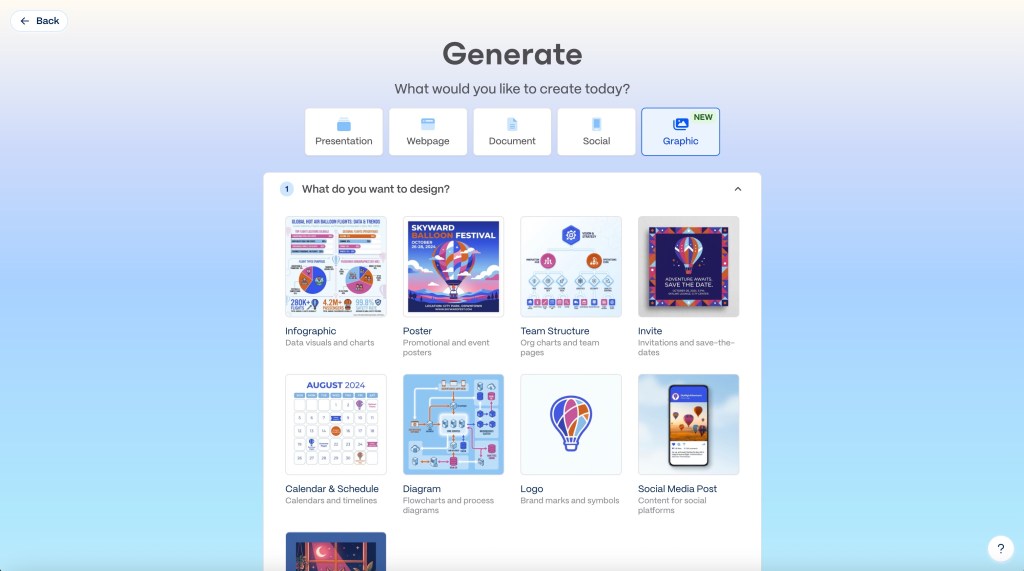
Gamma has introduced Gamma Imagine, a new AI-driven product enabling users to generate customized visual content such as interactive charts, marketing materials, social media graphics, and infographics using simple text prompts. This tool aims to simplify the creation of brand-specific assets and enhance creative workflows.

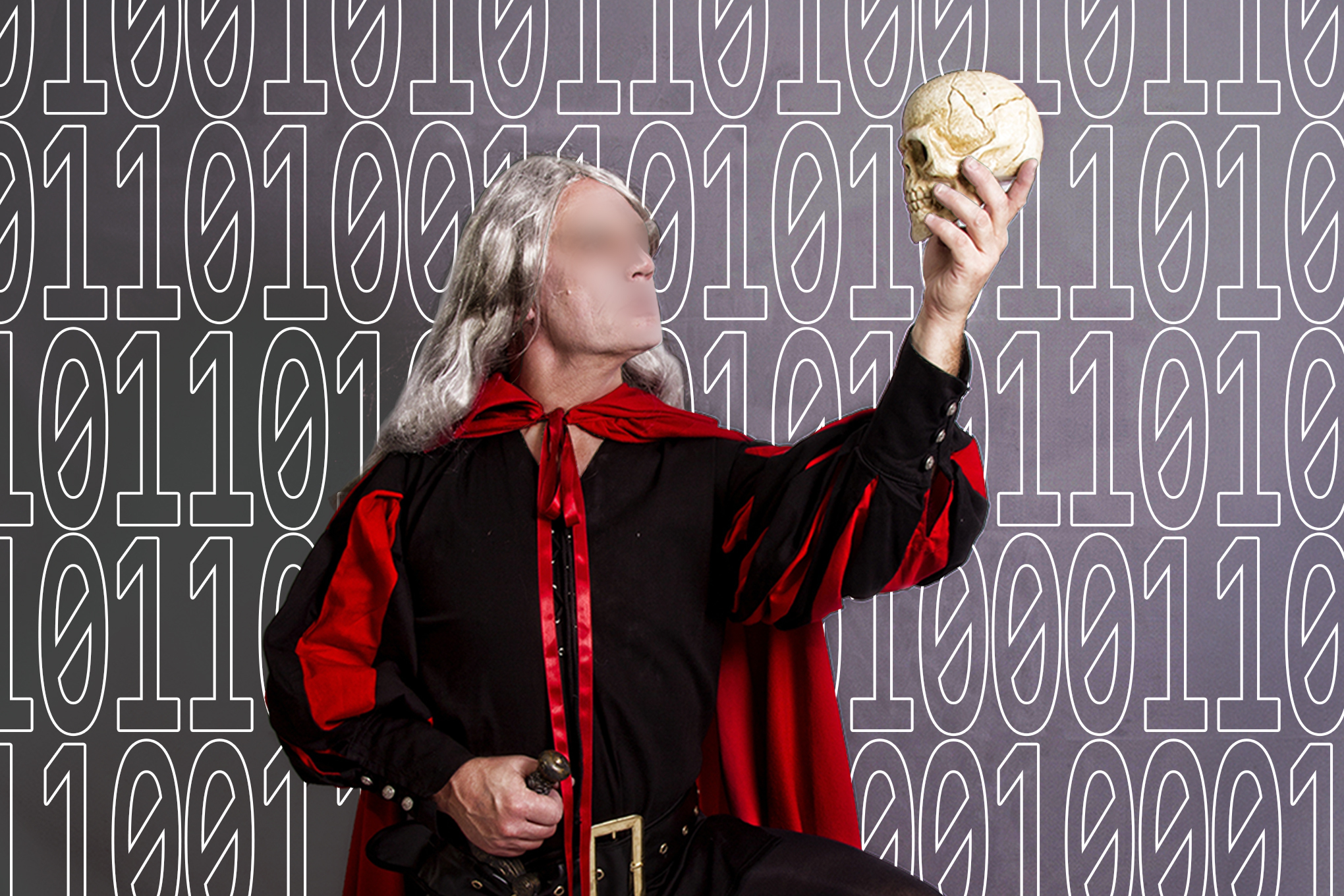
If you excel at creative expression and can convincingly convey emotion while maintaining a character’s integrity, a unique opportunity awaits. Instead of performing live, these skills will be used to help train AI systems for a major AI developer. Handshake, a company supplying training data to OpenAI and similar labs, is seeking such talent to improve the emotional depth of AI through specialized training data.
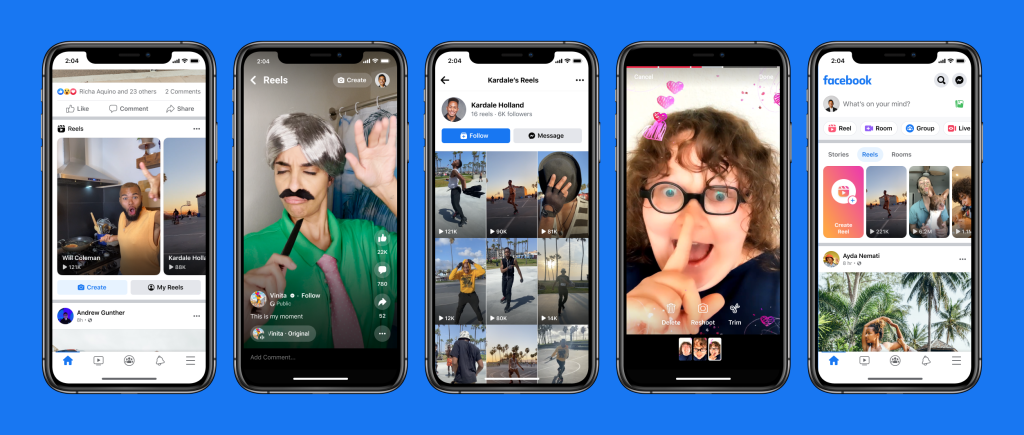
Facebook has introduced new measures to help creators more easily report impersonators on the platform. In addition to this, the company is enforcing stricter policies on reposted and unoriginal content to maintain authenticity and protect original creators.
The approach to brand building is rapidly evolving in 2026. Traditional long-term plans no longer suffice as consumer culture shifts swiftly. The new marketing frontier focuses less on rigid KPIs and more on intuition, vibes, and emotional connection with audiences. Examples like Bobbie's breastfeeding billboard and Poppi's playful campaigns illustrate this shift toward authentic, community-oriented engagement.
The economic landscape shows cautious consumer spending, but brands can still thrive by aligning with their audiences' values and current cultural moments. Marketers should prioritize meaningful community interaction—transforming comments into campaign moments or sending surprise merchandise to foster loyalty.
Taking a stand on social issues is critical, but authenticity matters more than activism for activism's sake. Successful brands show tangible involvement, as seen in Bobbie's support of Black maternal health legislation or August's fight against tampon taxes. Staying true to core customers and delivering quality products is essential; chasing every trend can backfire, illustrated by Drunk Elephant's recent sales struggles and strategic pivot.
In a saturated market filled with distractions from AI to flashy ads, brands that focus deeply on their core audience and values capture lasting attention and loyalty. These are the brands poised for sustained success and cultural relevance.

As production budgets become more stringent, Ritual Labs is pioneering the integration of AI in the early stages of campaign creation, allowing brands to prototype and test ideas more efficiently. This forward-thinking approach places AI at the heart of the creative process, helping brands optimize their spends and innovate faster.


AdgeAI, a startup leveraging artificial intelligence, identifies which creative and video assets most effectively drive engagement and conversions. This acquisition enables Publicis to optimize advertising campaigns in real time by sifting through vast amounts of content to highlight quality creatives.
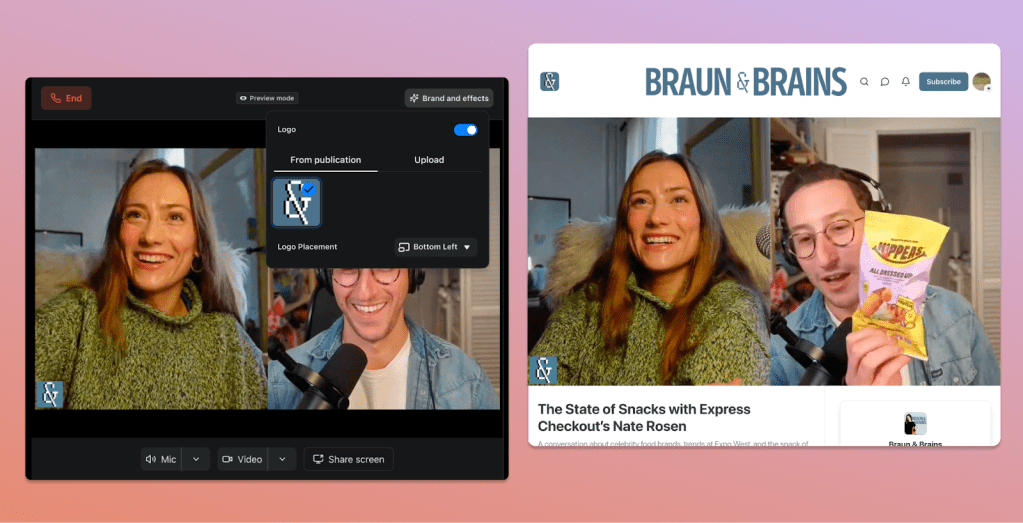
Substack creators can now record video conversations with up to two guests in advance and publish them directly on the platform, streamlining content creation and distribution.
Creators contribute significantly to various stages of marketing funnels, yet the evaluation of these campaigns often relies on outdated metrics, argues Zoe Soon from the IAB.

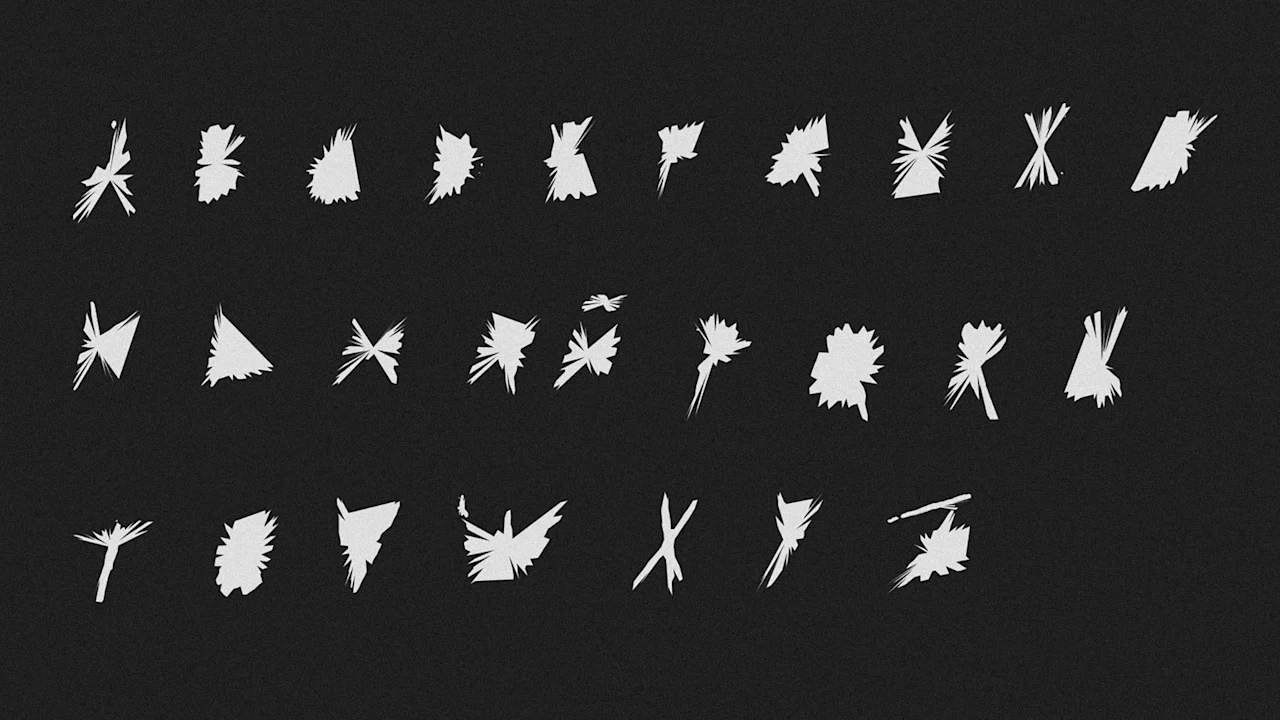
Claude's latest AI model can use multiple Python tools to create Truetype fonts from scanned handwriting samples. As discovered by AI expert Ashe Magalhaes, you can simply upload a scanned page of handwritten characters, and Claude will convert the writing into an installable digital font. The process starts with a printable template for writing a full character set neatly, ensuring clear scanning conditions. Claude then processes the scan, tracing each letter and generating a font file. Initial attempts may require tweaking to fix issues like merged glyphs or imperfect outlines, but with some iterations, you can get a usable, personalized font. This makes it easy for anyone with handwriting or drawing skills to create unique typefaces without needing specialized software like Calligraphr or FontForge. The experience highlights the growing power and accessibility of AI-driven creative tools.