


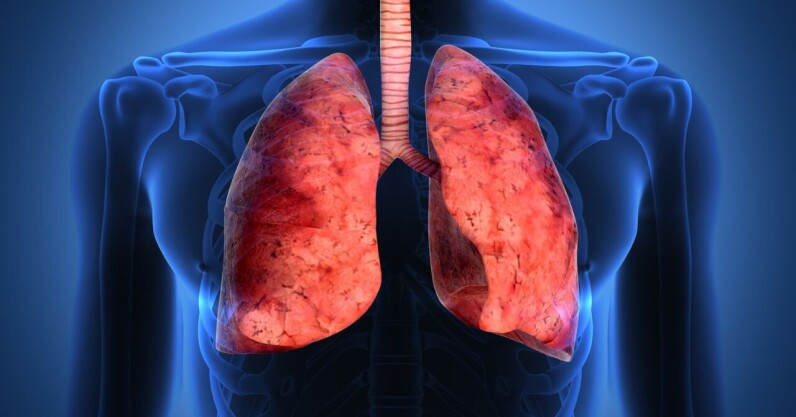
 Lithuanian startup Vital3D is pioneering bioprinting technology with the goal of producing human organs for transplant within the next 10 to 15 years. Currently, the startup is focusing on a simpler application: regenerating dog skin using a proprietary laser system to deposit living cells and biomaterials in intricate 3D patterns that replicate natural biological structures. Situated in Vilnius, the company aims to eventually create fully functional organs customized to individual patients. This ambitious mission is driven by CEO Vidmantas Šakalys, inspired by the loss of a mentor to urinary cancer.
 In Paris, the father of a wealthy cryptocurrency entrepreneur was recently kidnapped while walking his dog. The assailants, masked with balaclavas, forced him into a van, amputated one of his fingers, and sent a ransom video to his son demanding millions of euros. This case is part of an increasing number of violent crimes connected to cryptocurrency wealth in France, including kidnappings and attacks on prominent individuals and their families. The fear in France's crypto community is growing amid these incidents.
 TNW Backstage is back this week, diving into the future of sound with Dutch singer, TV presenter, and Breggz founder Xander de Buisonjé. Driven by frustration over poor sound quality on consumer devices, De Buisonjé launched Breggz to ensure listeners experience music as artists intend. His startup aims to revolutionize personal audio and bring true sound quality to the world.
 In the wooded hills south of Munich, Germany, engineers are drilling 8 km deep to harness limitless clean energy from Earth's molten core. This groundbreaking project by Canadian company Eavor could provide a cost-effective geothermal energy extraction method. With innovative tools like plasma pulse drills, steel shot cannons, and robot worms, these startups aim to unlock Earth's heat globally, powering cities, heating homes, and reducing Europe's dependence on fossil fuels.
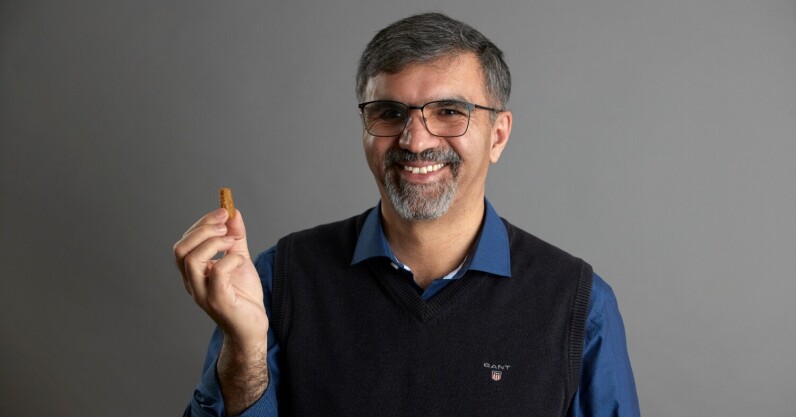 Swedish foodtech startup Millow has inaugurated its first commercial-scale factory in a former LEGO production hall in Gothenburg. The factory employs a patented dry fermentation technology where mycelium, the root-like structure of fungus, consumes oats in a bioreactor. This process rapidly produces a versatile meat alternative that can substitute products ranging from beef mince to doner kebab. Millow aims to achieve a daily production of 500kg of its mycoprotein, branded as Millow, by the end of the year. The founders believe their innovation will address challenges in the alternative meat industry.
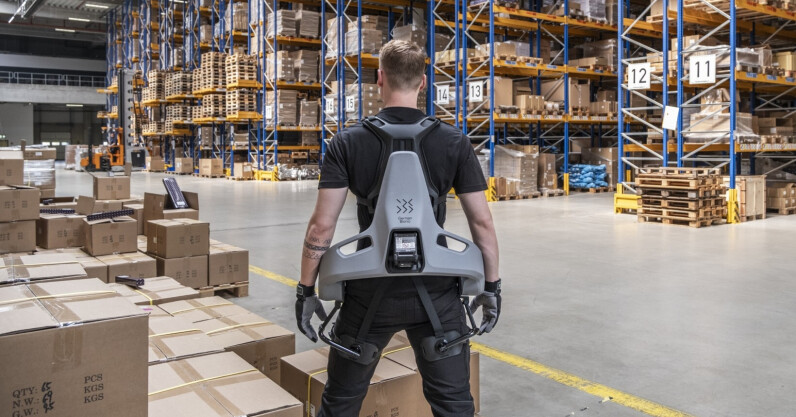 German Bionic has introduced Exia, an advanced wearable exoskeleton equipped with an AI-driven brain. This robotic suit provides dynamic support up to 38kg, significantly reducing the perceived weight for the wearer — making a 30kg load feel like just 5kg on the lower back. What distinguishes Exia from previous models is its ability to learn and adapt through augmented AI technology, which aims to enhance human intelligence rather than replace it. Each unit of Exia evolves over time, improving user assistance and comfort.
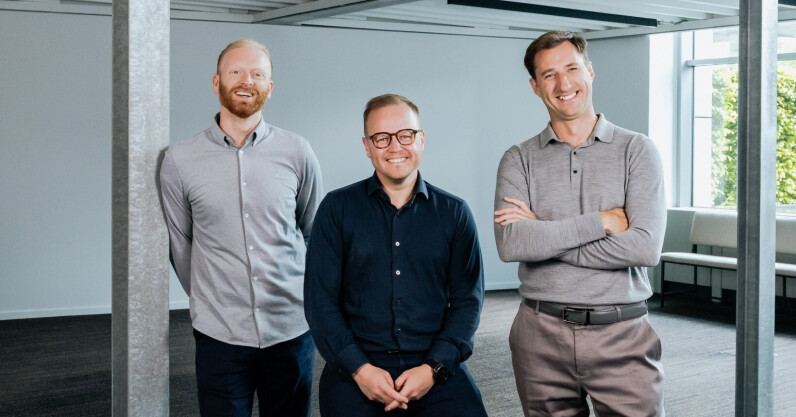 Belgium-based startup Ravical has raised €7.3 million in pre-seed funding to introduce AI agents aimed at professional services firms in tax, legal, accounting, and insurance sectors. According to Joris Van Der Gucht, CEO and co-founder of Ravical, these AI-powered "virtual employees" can perform up to 80% of the routine and repetitive tasks such as data retrieval from internal systems, regulatory checks, and reviewing lengthy policies. Despite the high automation potential, Van Der Gucht reassures that the technology is designed to assist rather than replace human experts.
 TNW Backstage returns to delve into the rapidly advancing field of brain-computer interfaces (BCIs). These neural devices, which can be implanted or worn, have shown capabilities in measuring focus, treating Parkinson's disease, and allowing paralyzed individuals to control computers with their minds. Various labs and tech companies are innovating in this space, with Elon Musk's Neuralink receiving significant attention for its work, including enabling monkeys to play Pong using only their minds and ambitious plans for human applications such as enhancing abilities and direct downloading of information.
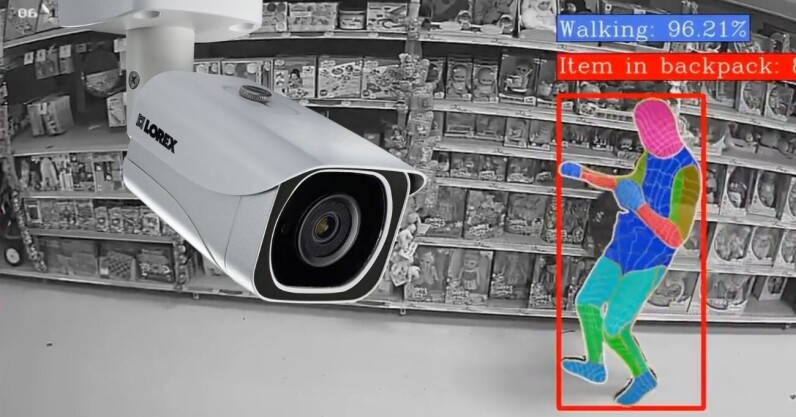 Paris-based AI startup Veesion has raised €38 million to expand its operations in the US to tackle the growing shoplifting problem. Veesion's AI-powered computer vision software detects suspicious gestures, such as a shopper concealing items, by analyzing security camera footage. When potential theft is identified, the system alerts store owners or security guards through an app displaying the recorded footage, allowing them to decide if a theft is occurring. The solution is delivered via a compact device that integrates with existing store cameras.
 The Dutch startup ecosystem has experienced a significant growth of 26%, yet it has fallen to 10th place globally and 6th in Europe according to the Global Startup Ecosystem Index 2025 released by StartupBlink. The report assesses over 1,400 cities and 110 countries globally, placing the US at the top, followed by the UK. In Europe, the UK leads, with Sweden, Germany, France, and Switzerland ahead of the Netherlands, which slipped after Switzerland's rise. Despite the decline in rank, the Dutch ecosystem's growth rate remains above average, indicating positive prospects.