


 Dmitry Bukhman, a Russian-born entrepreneur, has been recognized as the richest individual under 40 in the UK, largely due to his success in the tech sector. At 39, Bukhman co-founded Playrix, a major player in the mobile gaming industry, amassing a personal fortune of approximately £12.54 billion. This amount constitutes more than one-third of the total £36.2 billion combined wealth on The Sunday Times 40 Under 40 Rich List. Since last year, his net worth has nearly doubled. Bukhman’s journey began in post-Soviet Russia, where he self-taught coding as a child and collaborated with his brother Igor to develop their first game using an old Pentium PC gifted by their grandfather.
 Swiss technology startup Metafuels has announced plans to launch its first commercial-scale sustainable aviation fuel (SAF) manufacturing facility at the Port of Rotterdam. CEO Saurabh Kapoor described the new plant, named Turbe, as a significant advancement toward increasing SAF production capacity. Previously, the startup revealed intentions to develop a similar plant in Denmark. Kapoor emphasized the critical role of scalable and cost-effective SAF production in meeting Europe's ambitious carbon reduction goals for aviation. The Turbe facility will be created in partnership with liquid energy storage company Evos, integrating into Evos' current Rotterdam terminal infrastructure.
 Five exceptional scaleups from the UK have been selected for TECH5, known as the 'Champions League of Technology.' This marks the completion of the UK and Ireland regional round, moving closer to naming Europe's hottest scaleup. Both countries showcased strong contenders, reflecting their robust digital ecosystems. The UK, recognized as Europe's premier tech hub, boasts a thriving startup scene, solid investment foundation, and excellent talent. It maintained its top European position for tech investments last year, attracting €17.5bn, with London playing a key role.
 US-based food delivery company DoorDash has purchased British competitor Deliveroo in a £2.9 billion ($3.9 billion) all-cash deal. The offer values Deliveroo shares at £1.80 ($2.40) each, marking a 77% premium over recent market prices but falling well below Deliveroo’s 2021 initial public offering valuation of £7.6 billion. The acquisition received unanimous approval from Deliveroo's board, with CEO and co-founder Will Shu, holding 6.4% ownership, set to receive £172 million. This acquisition strengthens DoorDash's position in the European market, aiming to challenge major players like Uber Eats and Just Eat.
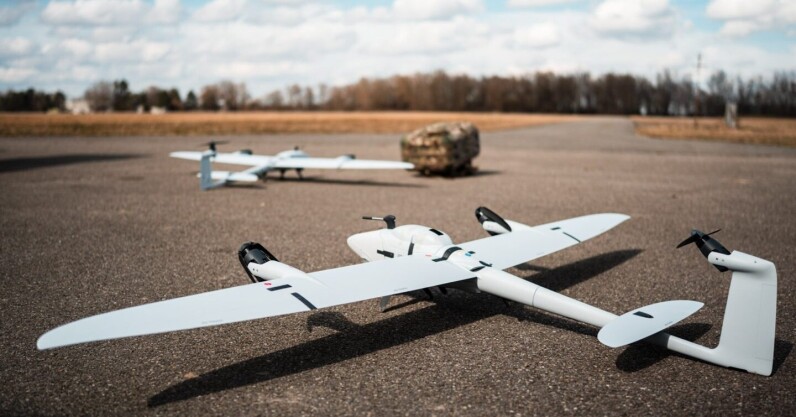 Quantum Systems, a German drone manufacturer, has secured €160 million in funding, achieving a valuation exceeding €1 billion and becoming Europe's latest defence technology unicorn. The company specializes in electric, AI-driven autonomous surveillance drones that have dual-use capabilities for both military and civilian applications. These drones assist defence forces in intelligence gathering and reconnaissance, while also supporting agricultural monitoring, energy infrastructure inspections, and search and rescue operations. Florian Seibel, co-CEO and co-founder, stated that the company is poised for further growth and innovation in the defence tech sector.
 Dutch startup Eyeo has come out of stealth mode with €15 million in funding to develop advanced photonics technology that enhances camera color vision. Originating from Belgium's nanoelectronics research center Imec, Eyeo's innovative waveguide colour-splitting technology significantly improves light sensitivity in image sensors, enabling cameras—including DSLRs, smartphones, and VR headsets—to capture brighter and clearer images, especially in low light.
 A groundbreaking new track titled “Recurse” has been released by UK startup Moth in collaboration with British electronic artist ILĀ. This innovative song is the world’s first commercially available piece made using quantum-powered generative AI. With a sound that evokes the feeling of cosmic journeys, "Recurse" represents a fusion of cutting-edge quantum technology and creative electronic music. Listen to the track here: https://cdn0.tnwcdn.com/wp-content/blogs.dir/1/files/2025/05/ila_Recurse.mp3. Available on all major streaming platforms, this release marks a new era in music production, blending the surreal world of quantum physics with art.
 Have you encountered the privacy paradox? It reflects our conflicting behavior of valuing privacy but often neglecting to protect it. This paradox is a key theme in the inaugural episode of the TNW Backstage podcast, which offers an insider look at the TNW Conference and influential tech trends. The episode features Ron de Jesus, the world’s first Field Chief Privacy Officer, discussing the shifting landscape of privacy risks. A major topic is Meta’s divisive “pay or consent” approach, forcing users to either accept ad tracking or pay, highlighting significant privacy challenges today.
 The Aircar 2, a flying car that transforms into a plane within 80 seconds, is scheduled for sale in early 2026. Developed by Slovakian company Klein Vision, this new prototype features a powerful 280-horsepower motor, an upgrade from its predecessor's BMW engine. The original Aircar gained attention in 2021 after a successful 35-minute test flight. Klein Vision co-founder Anton Zajac estimates the price to be between $800,000 and $1 million.
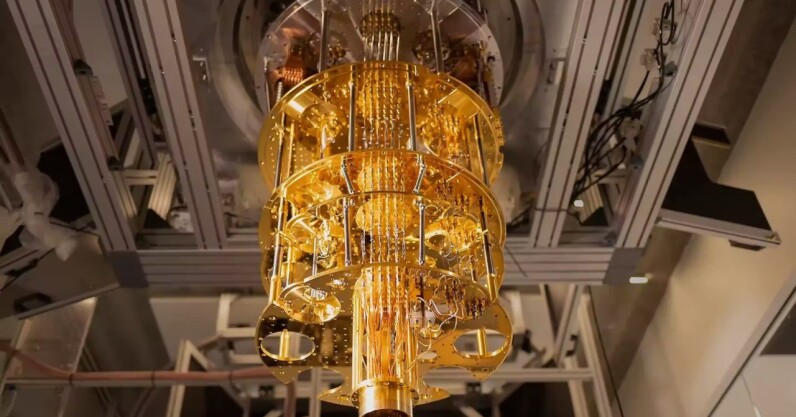 The UK's National Cyber Security Centre (NCSC) has issued a warning regarding the urgent need for a "colossal" upgrade to the country's cybersecurity infrastructure to counter the emerging threats posed by quantum computing. At the CYBERUK conference in Manchester, NCSC's CTO Ollie Whitehouse emphasized the necessity for organizations to proactively adapt to a fundamental change in digital security architecture. Quantum computers, once sufficiently advanced, have the potential to break existing encryption techniques, jeopardizing the confidentiality and security of sensitive data including financial information, healthcare records, and military communications. Immediate preparation is critical to mitigate these risks and secure digital assets against future quantum attacks.