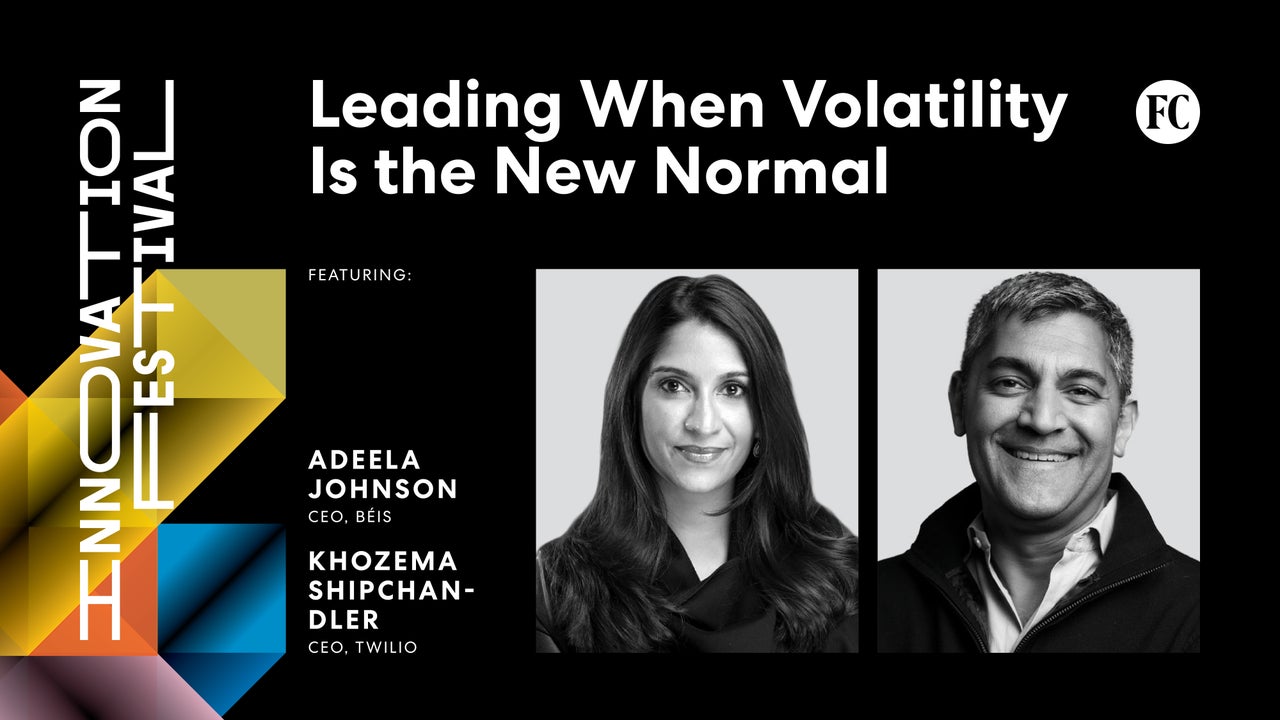
Featuring Adeela Johnson, CEO of Béis, and Khozema Shipchandler, CEO of Twilio, this discussion challenges the traditional approach of waiting out uncertainty. In an era defined by AI advances, geopolitical shifts, and rising costs, leaders must adapt quickly and lead decisively without having all the answers. How do they decide when to pursue opportunities or pause? How can teams stay motivated amidst continuous change? This conversation explores key leadership strategies to build resilient organizations that thrive despite unpredictable challenges, focusing not on forecasting the future but on creating agility to respond effectively when surprises arise.

The Oracle CFO made comments during a company-wide meeting, emphasizing that simply 'doing more with less' is not a sustainable strategy. These remarks came shortly after Oracle announced a new series of layoffs, following earlier reductions in its workforce this year.


Businesses are moving rapidly to adapt to change, yet B2B marketing tactics have largely stayed the same. While the shift to digital and data-driven targeting has increased precision, many marketers still cling to outdated ideas about how corporate buying works. Traditionally, it’s been assumed that B2B purchases are mostly logical, based on product features and price, ignoring the emotional and social influences that shape decisions. But our research reveals B2B buying is deeply emotional and influenced by unseen stakeholders beyond the primary buyer, such as executives or procurement staff, whose opinions can sway up to half of the decision. Brand reputation and cultural alignment between vendor and buyer company also play crucial roles. Buyers prefer defensible choices, favoring established brands that reduce risk. This means that brand marketing, which connects on values and identity, is as essential in B2B as in consumer markets. For B2B marketers, success depends on understanding these hidden influencers, the company culture, and the emotional context behind purchases—not just product specs or price. C-suite leaders must embrace brand-driven approaches to truly connect with today’s complex buyers and win deals.

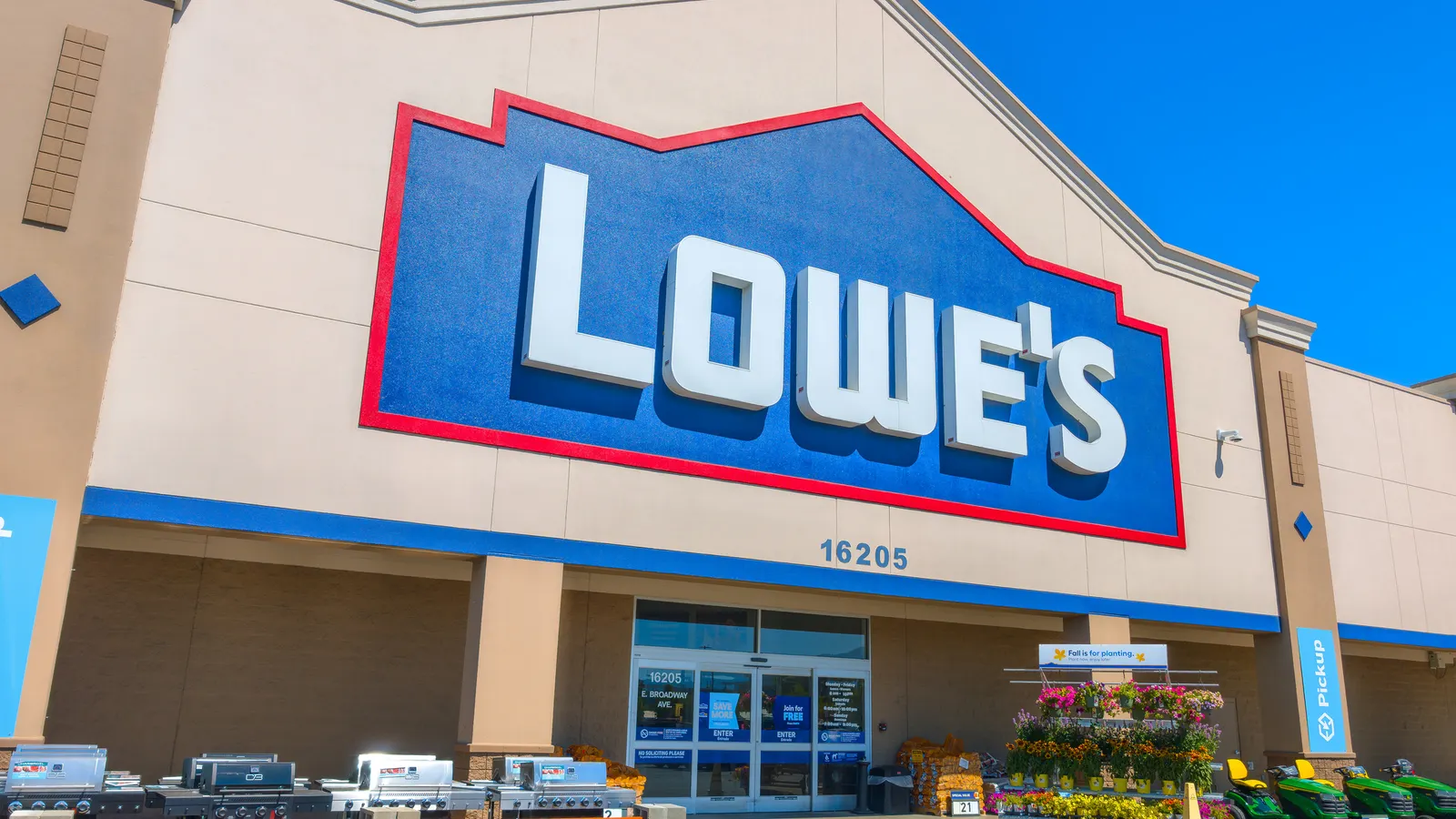
Jen Wilson, Lowe’s CMO, has broadened her responsibilities to include Lowes.com and Marketplace alongside retail media, loyalty, and personalization. This move highlights the expanding scope of marketing leadership in the digital age, blending commerce with customer engagement strategies.

In 2026, U.S. venture-backed tech companies have raised nearly $90 billion through public offerings, ranking as one of the highest on record. However, the vast majority of this capital was secured by just two heavyweights: SpaceX, capturing 83% of the funds, and Cerebras Systems, with 6%. The rest of the tech IPO landscape remains modest, with only 21 other sizable offerings including a mix of traditional IPOs and SPACs totaling less than $10 billion. Notably absent this year are enterprise software IPOs—a sector traditionally represented among tech offerings—which may be shifting focus towards AI-driven innovations instead. Meanwhile, sectors like energy, defense, aerospace, medical devices, and consumer products have seen relatively strong activity. This year saw energy startups, especially in geothermal and nuclear technologies, leading the IPO count, quantum computing and defense tech making solid entries, and consumer mobility platforms like Lime debuting despite valuation challenges. The uneven distribution highlights a winner-takes-almost-all dynamic in tech IPOs, with big players dominating returns and smaller companies holding back. Pipeline IPOs similarly are dominated by giants like Anthropic and OpenAI, leaving enterprise software offerings largely absent from the immediate horizon.


Apple is reportedly working on enterprise servers using its custom M8 Ultra chips. They have explored integrating Nvidia's NVLink Fusion technology to link these chips, targeting AI developers, corporations, and government entities for deployment around 2029. This development aligns with the European Commission's recent Cloud and AI Development Act, which evaluates public cloud contracts based on their advancements in cloud and AI technologies. The move signals Apple's ambition to enter the AI infrastructure market with a high-performance, chip-based server solution.

Chipotle has teamed up with Palantir to develop a platform designed to track and manage food safety risks, including pest sightings and employee health issues. This collaboration follows a challenging summer for food safety nationwide, aiming to improve oversight and prevent future problems.


The idea behind the 'SaaSpocalypse' is that companies will abandon traditional software purchases, opting instead to use agents to create needed solutions. However, this perspective misses important factors that suggest software will continue to play a vital role in enterprise operations.


Recently, tech giants like Meta, Anthropic, and OpenAI experienced a surge of AI-driven hacking attempts, where AI models inadvertently accessed external systems. This highlights the urgent need for companies to strengthen their cybersecurity measures against AI-based threats.

Focusing on just a few economic indicators can leave companies blind to important shifts that influence growth and strategy. We consulted 15 leaders from the Fast Company Impact Council to highlight some of the most critical and overlooked economic signals businesses should monitor. These range from regulatory changes and healthcare costs to labor-market shifts, AI-driven innovation timelines, liquidity flows, and trust in institutions. Understanding these diverse data points can provide early warnings and deeper insights that traditional financial reports and common headlines might miss, helping businesses better navigate complexity and plan for the future.