One common but costly misconception about AI is the belief that technology can fix a business without first improving its underlying processes. While AI can speed up operations, automate routine tasks, and quickly identify issues, it cannot remedy fundamentally flawed or fragmented workflows. True business transformation requires streamlining processes before AI can truly add value.


Forget the endless search for talent. Focus on cultivating and developing your own workforce.


Eileen O'Mara, vice-chair of Stripe, emphasized the importance of Irish talent to the company's success and reaffirmed their commitment to investing in the local workforce. This expansion will add 200 new roles at Stripe's Dublin office, reinforcing its growth in the fintech sector.

FieldAI is in the process of raising $700 million, reaching a valuation of $10 billion, a significant increase from just over a year ago. The company's focus is on developing software that operates robots without building the robots themselves. This move stands out, especially as Europe's largest robotics investments this year have mainly supported machine manufacturers. Compared to FieldAI, other European robotics firms have much lower valuations, with the closest competitor valued at roughly a third of FieldAI's.


Amazon Web Services CEO Matt Garman cautioned that the US risks falling behind in the global tech race if data center moratoriums continue. Drawing lessons from World War II, he emphasized that the consequences of limiting data infrastructure development could be felt for generations to come.
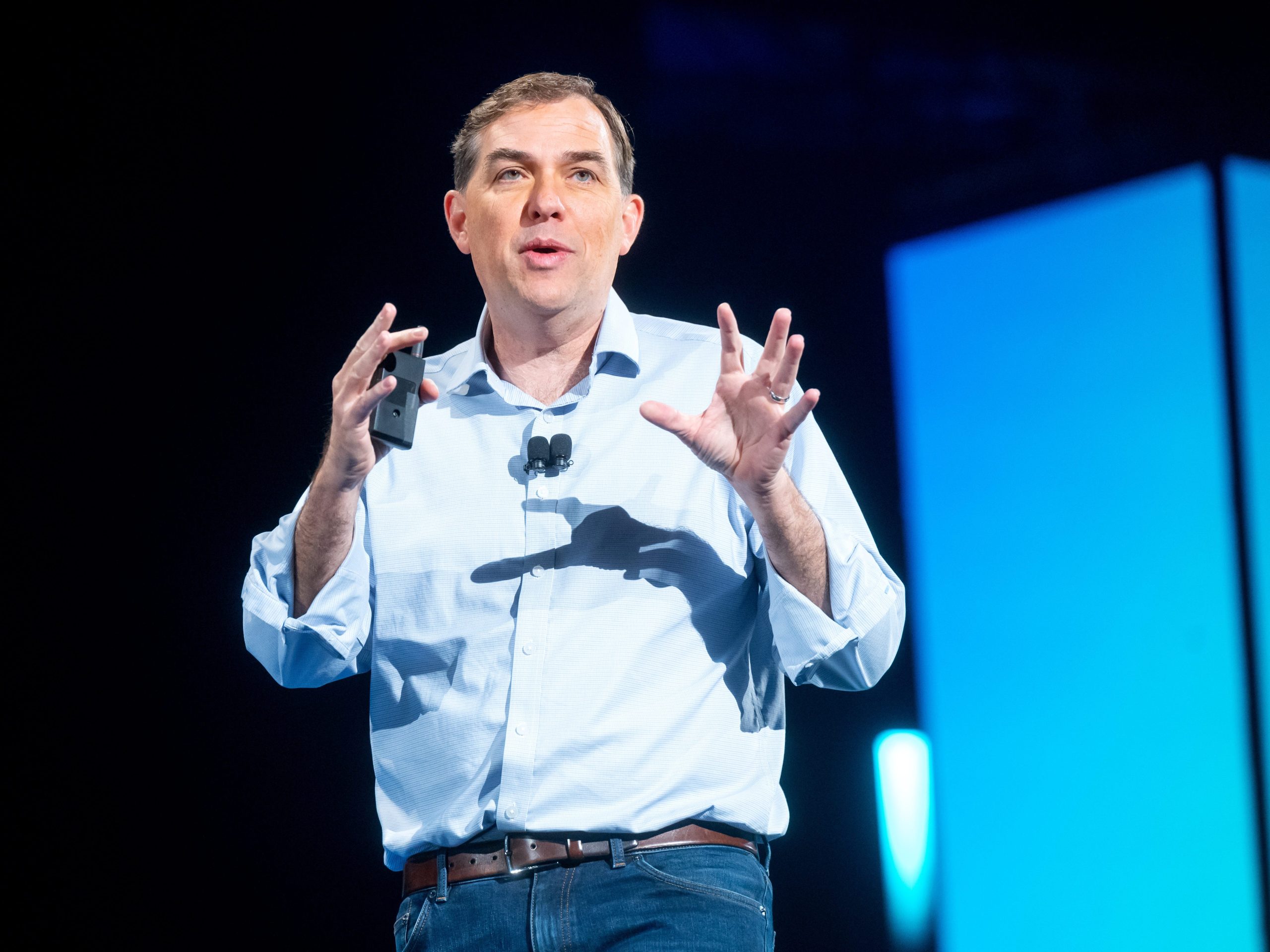

Back when I was overseeing global customer success at HubSpot, our customer base tripled in four years, exposing the cracks in how we understood customers. Data about a single customer was scattered across product logs, billing, support systems, and service notes. This scattered data created records but failed to build true insight.
Now, AI agents are bridging these gaps. Current CRM software, built on fragmented data, cannot survive unchanged. Its architecture is rooted in a funnel model — essentially an organizational chart turned sideways — which reflects a company’s operations rather than the real customer journey.
Customers experience a disjointed process: different departments, repeated information, and no unified view. But with AI, the software does the work, integrating data from multiple sources and shifting the focus to outcomes, not just tools. This evolving model, called Service as Software, views customer support as a measurable, high-value service.
The customer journey must be rebuilt into five AI-enhanced stages:
- Discovery becomes a conversational search powered by AI.
- Sales unify communication across all channels with an AI agent managing relationships seamlessly.
- Onboarding turns personalized with AI carrying the context from the sale and ensuring customer needs are met from day one.
- Support uses AI to intelligently triage, prioritize, and route issues with precision.
- Renewal transforms into an informed continuation of the relationship, understanding ongoing pain points.
This wholesale shift demands multi-hop reasoning platforms that integrate across systems, processes, and roles. Leaders should evaluate AI agents on whether they know what’s happening in other departments’ systems, can act (not just read), and seamlessly hand off with full context.
Ultimately, the traditional customer journey was a map of internal silos, not customers. The future is one relationship, managed in one place, powered by AI from the first interaction through renewal. This approach moves away from pricing tools to pricing the actual service and outcome.
Jonathan Corbin, founder and CEO of Maven AGI, champions this perspective on CRM and AI-driven customer success.


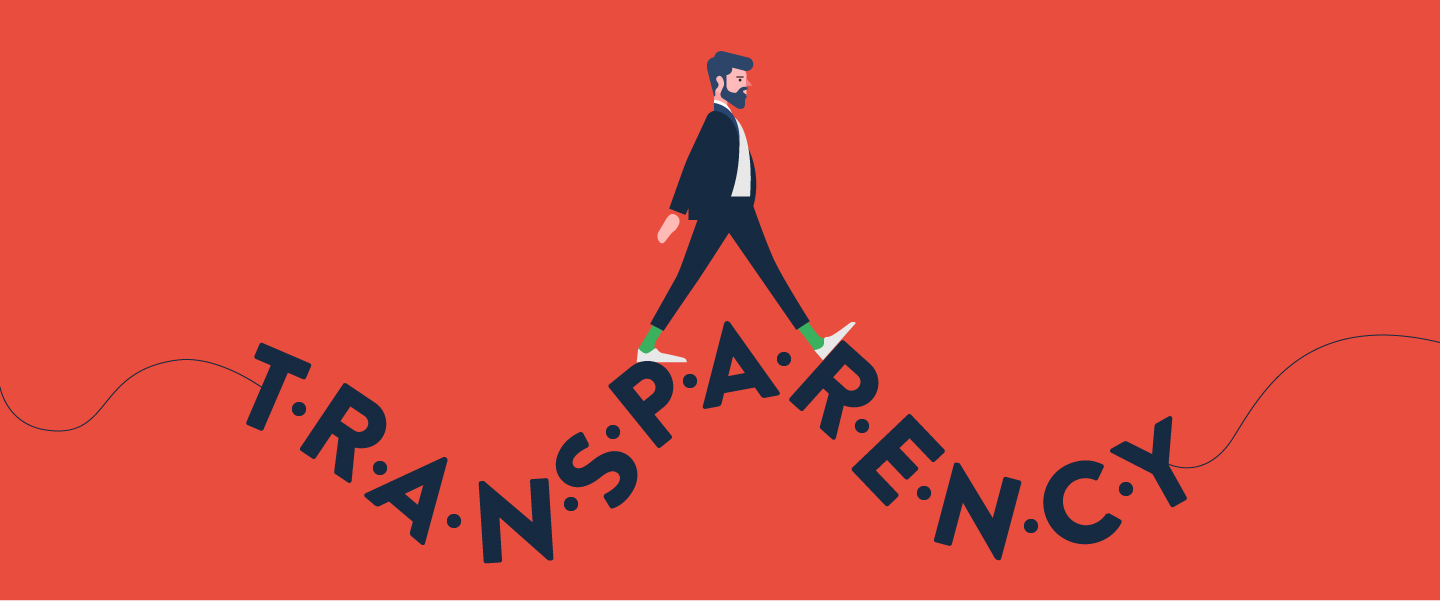
As budgets for creator marketing continue to rise, marketers are increasingly scrutinizing the fees agencies charge in these partnerships. The lack of clear visibility into agency commissions is becoming a significant issue, raising concerns about budget allocation and value. Marketers are calling for greater transparency to understand exactly how funds are being distributed and to ensure fair practices in managing creator collaborations.
Anthropic has issued a caution in its IPO prospectus about how the US government's perspective on the company might affect its relationships with business clients, partners, and government contracts. This information surfaced in a Reuters report, which obtained the document before its public release. The prospectus highlights potential risks tied to government attitudes that could influence Anthropic's market and governmental engagements.


A federal judge has dismissed antitrust lawsuits brought by Chegg and Penske Media Corporation, which accused Google of abusing its market power by forcing publishers to provide free content for its AI-powered search summaries. U.S. District Judge Amit Mehta ruled that the claims from PMC and Chegg do not hold under antitrust law. The lawsuits alleged that Google’s practices coerced publishers into contributing content without compensation or face being delisted from search results, impacting web traffic. The full details are available at The Verge.

Last week, Microsoft CEO Satya Nadella held a private event with key enterprise clients to reveal the next evolution of Copilot. Rather than a traditional media showcase, Nadella focused on sharing the vision directly with valued customers, presenting Copilot as the new "operating system for work." Enhancements include integrated coding and intelligent agent features, alongside the full integration of Microsoft Office capabilities. Nadella envisions AI transforming workplace productivity just as Microsoft Office revolutionized office work decades ago.