


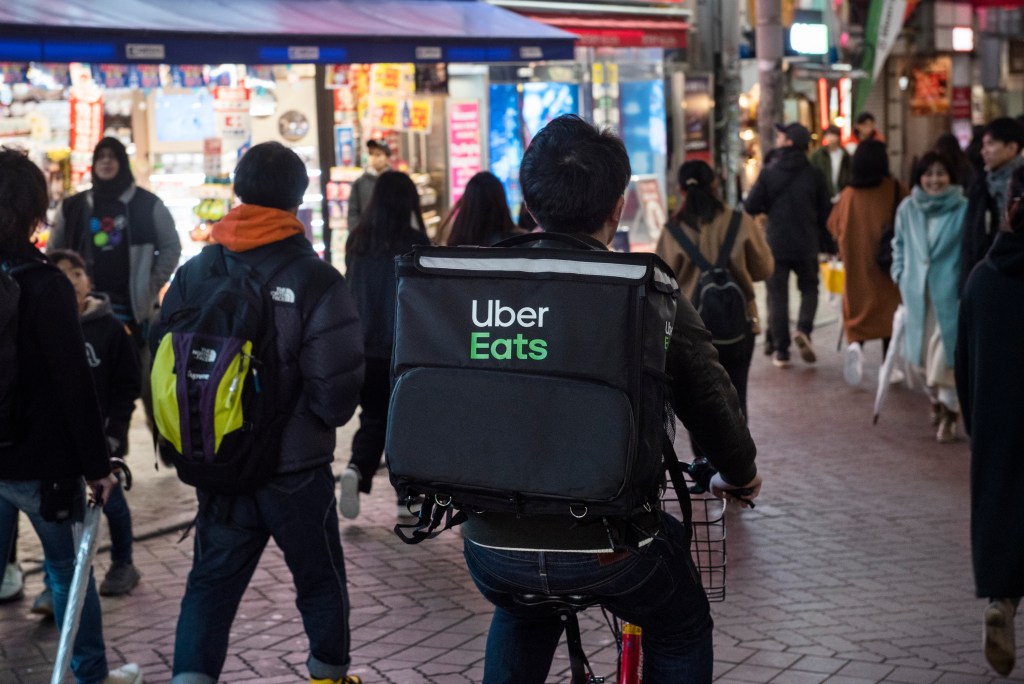
Uber has struck a $14.8 billion all-stock agreement to acquire Delivery Hero, significantly expanding its global presence. This acquisition will nearly double Uber's footprint in the food delivery industry, establishing one of the largest platforms outside China.
BP Ventures, the venture capital arm of BP, is closing down after nearly 20 years. The unit was reportedly unable to generate the returns expected, leading to the decision to shut its operations.
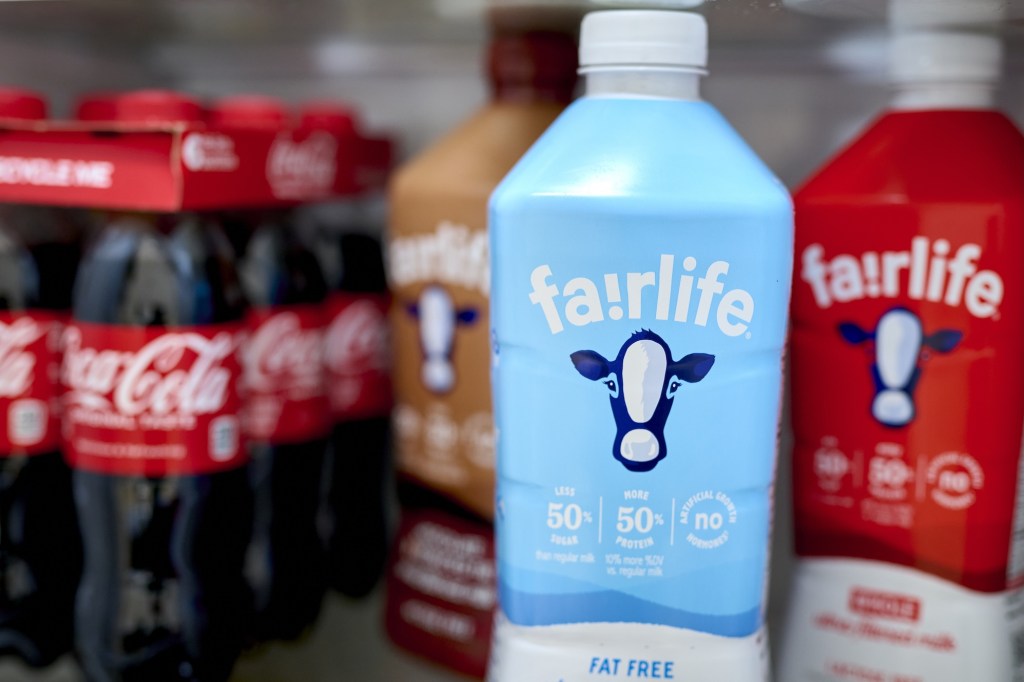
Coca-Cola has announced that production at its Fairlife dairy facility in the United States will continue to be suspended due to a recent ransomware cyberattack. The company is working on addressing the security breach before resuming operations.

Traditionally, revamping a factory involved costly shutdowns and uncertain outcomes. PepsiCo transformed this approach by employing a precision laser scanner to create a highly accurate 3D digital twin of its manufacturing facility. This virtual model enabled the company to simulate production processes, spot bottlenecks, and experiment with new layouts without disrupting actual operations. Athina Kanioura, PepsiCo’s CEO for Latin America and global chief strategy officer, highlights the goal of optimizing every aspect of the environment—from hardware to human flow—by running millions of simulations to perfect the design. The rise of artificial intelligence has propelled digital twins into powerful tools that mirror and predict real-world manufacturing environments, reducing costly errors and increasing agility. PepsiCo’s pilot programs in the U.S. have already delivered significant gains in production capacity and throughput. A recent partnership with Siemens and Nvidia is allowing the company to scale this technology globally, integrating it into everyday workflows. Beyond driving efficiency, digital twins support PepsiCo’s response to evolving consumer purchasing habits, like smaller, customized online orders, helping the company stay flexible and consumer-focused. Ashin Parikh, senior VP of strategy and transformation, emphasizes the importance of continuously adapting via digital innovation to stay ahead in a rapidly changing industry landscape.


Companies are integrating more AI tools than ever, yet many face persistent challenges and unmet expectations.
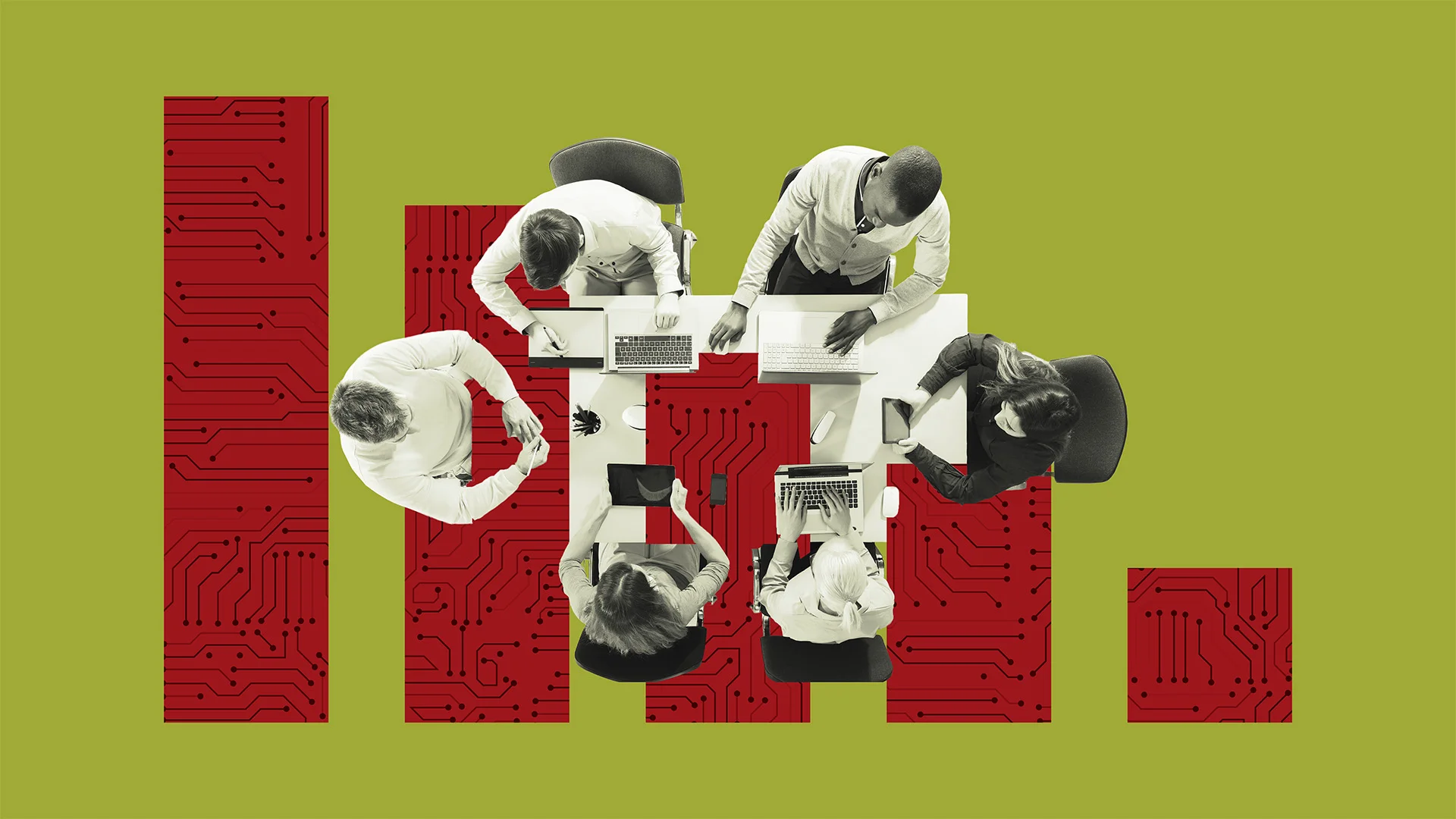

Many organizations remain focused on outdated skills during hiring. Instead, they should prioritize screening for competencies relevant to today's dynamic global landscape to build stronger teams.

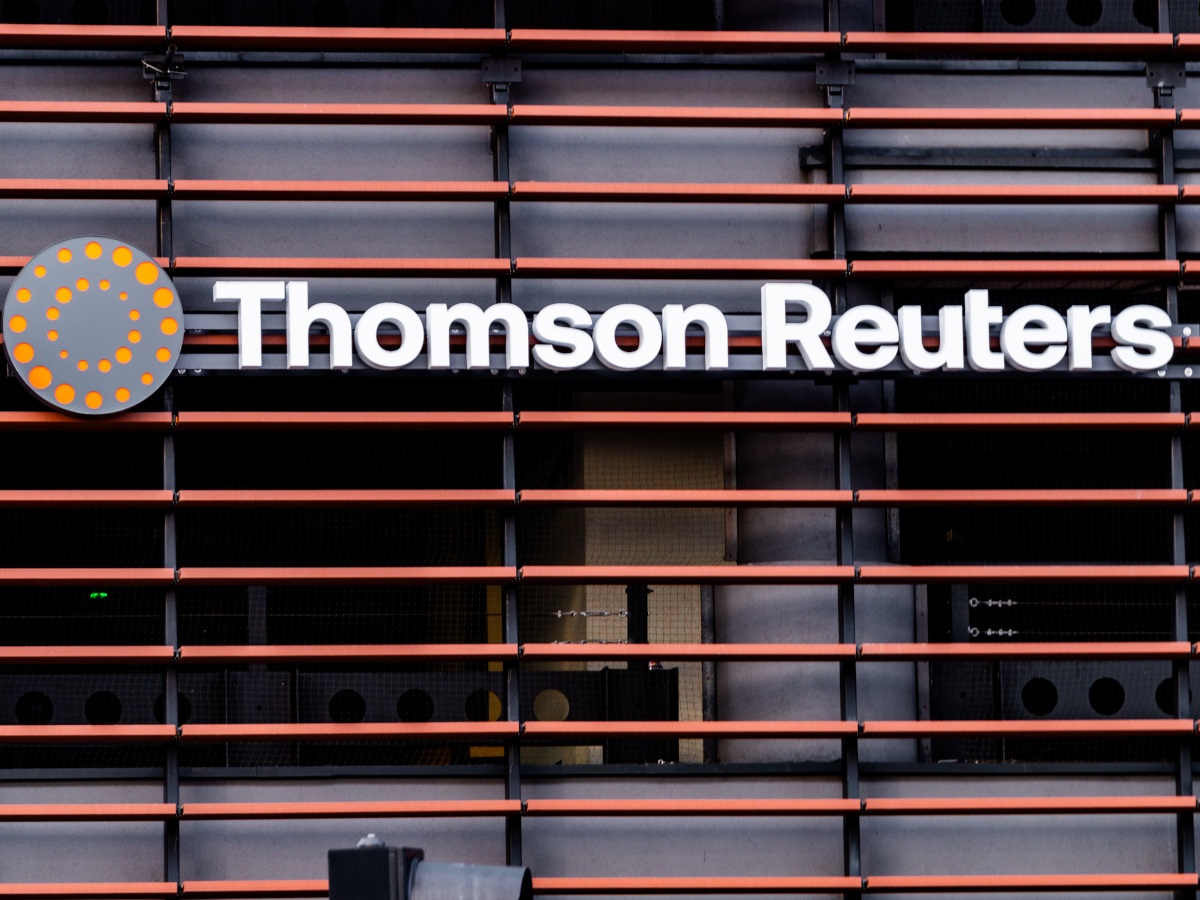
A Thomson Reuters representative stated, "We are concentrating our resources on what matters most to our clients." This move to cut 500 roles aligns with the company's increasing adoption of artificial intelligence technologies. For more details, visit the original article.
Revolut, Stripe, UniCredit, Deutsche Bank, and SumUp have been chosen to participate in an upcoming pilot project for the digital euro. This initiative is scheduled to begin in the latter half of 2027 and aims to explore the use of the digital euro across various payment platforms.


A group of 26 former employees has filed a lawsuit against Meta, accusing the company of using AI-driven tools to unfairly target workers on parental or medical leave for layoffs. The employees claim that Meta relied on internal AI systems that evaluated performance data but neglected to properly exclude staff on protected leave from layoff considerations. This omission allegedly led to a disproportionate number of people being laid off while they were on protected leave, effectively penalizing them for taking time off. The lawsuit highlights concerns about the ethics and fairness of AI in workforce management.


IBM announced preliminary results for the second quarter on Monday, reporting revenue of approximately $17 billion. This marks a 1% increase from the previous year but falls short of analysts' forecasted $18 billion. Following the announcement, IBM's stock dropped up to 17% in premarket trading, wiping out recent gains that were supported by positive analyst sentiment and a recent rally.
