


OpenAI is broadening its generative AI advertising efforts by rolling out its ads pilot program to additional regions. Alongside this expansion, the company has launched a new self-service portal and introduced cost-per-click bidding options to enhance advertisers' control and efficiency.
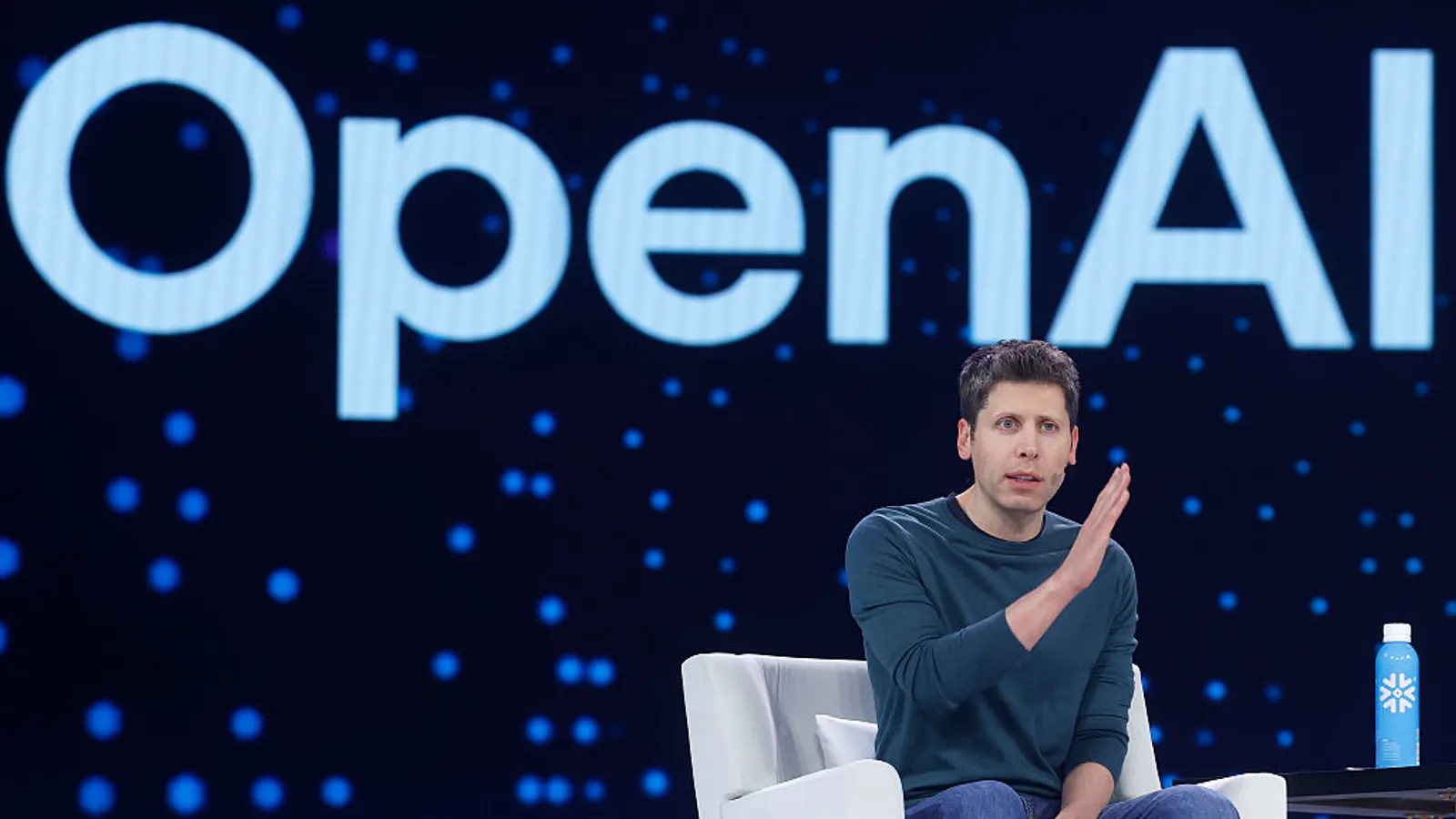
Although 70% of Chief Marketing Officers identify artificial intelligence as a critical priority for 2026, only 30% believe their current infrastructure is sufficient to meet their AI ambitions.

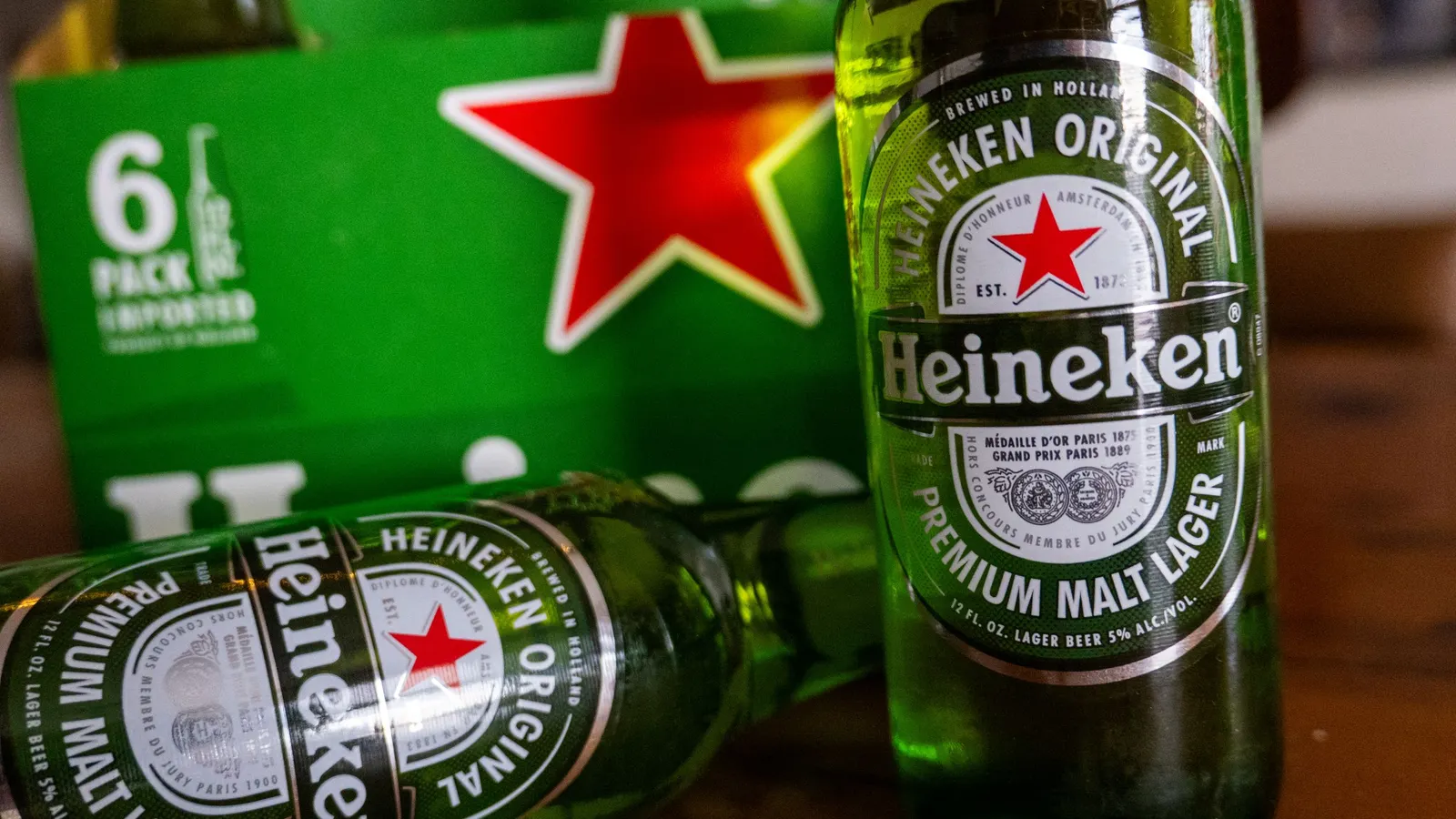
Heineken has narrowed its agency roster to prioritize a select group of partners geared for future success. Dentsu will maintain its global media responsibilities, continuing a partnership that has lasted over ten years. Meanwhile, creative services are being consolidated under Publicis, WPP, and Stagwell to drive integrated and innovative campaigns.

Nikolaus Beier, SVP of Marketing Services at Sportradar, emphasizes the crucial need for brands to harness and monetize the energy and impact of unforgettable sporting moments. Connecting authentically with sports fans requires agility to keep pace with the rapidly changing sports landscape and the dynamic nature of modern audiences.


In the upcoming 2026 Performance Marketing survey conducted with Harris Poll, insights from over 300 marketing leaders reveal a seismic shift in how marketing success is measured. A striking 75% of respondents highlight growing demands for accountability, with nearly two-thirds stating that executive evaluations now hinge on marketing’s contribution to pipeline rather than traditional metrics like lead counts. Marketing professionals have long sought a role defined by delivering tangible business growth rather than mere activity tracking, and now this transformation is underway. However, a significant 'visibility gap' persists: while early funnel metrics like engagement and leads are confidently tracked, the middle and late funnel—where pipeline builds and deals close—remain murky, with only 19% expressing strong confidence in full-funnel measurement. This gap stems not from simple reporting flaws but structural challenges—fragmented data systems, outdated attribution models ill-suited for modern complex buying behaviors, and misaligned organizational processes hinder clear insights. B2B buyers’ non-linear, multi-stakeholder, and often opaque buying paths deepen this complexity. To truly link marketing efforts to revenue, measurement must evolve from attributing last touchpoints to understanding what actually drives pipeline progression. This calls for closer marketing-sales collaboration and refined infrastructure to confidently measure and influence the full journey from interest to revenue. The future will reward those marketers who transition from optimizing visible lead counts to mastering pipeline movement and conversion. Until these changes take hold, marketing teams remain accountable for results they cannot fully explain—not due to lack of performance, but due to limitations in measurement systems.
Keith Turco, CEO of Madison Logic, offers these insights on the evolving landscape of performance marketing.


TikTok users in the UK can now opt for a subscription plan that eliminates ads entirely. Subscribers will enjoy a seamless experience devoid of advertisements, and importantly, their data will not be utilized for advertising targeting.

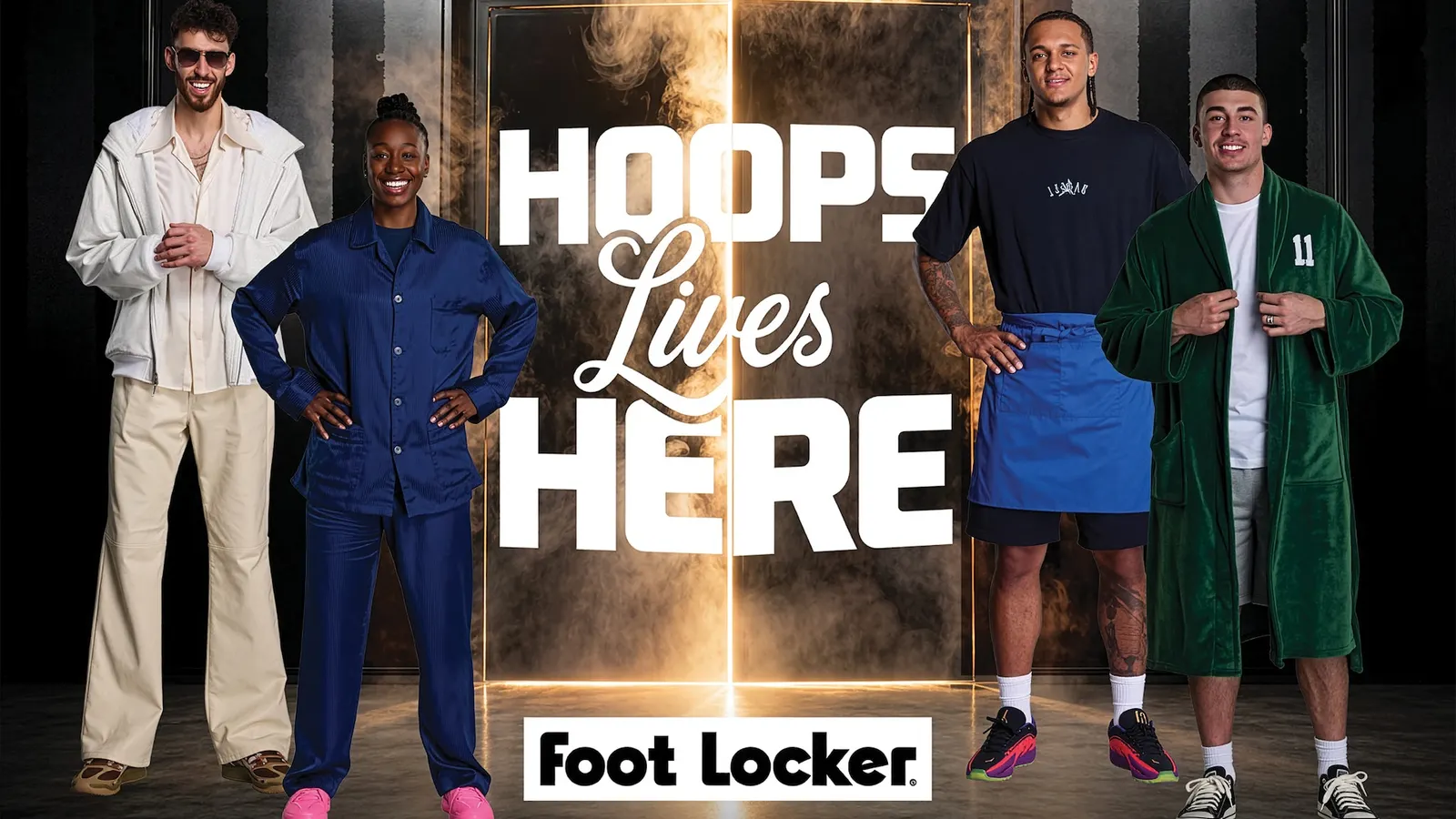
Brett O’Brien, who served as chief sports officer at PepsiCo, has been named Foot Locker's new Chief Marketing Officer. This appointment follows the retailer's acquisition by Dick's Sporting Goods in September, signaling a fresh strategic direction for the brand.
Nike's recent experience around the Boston Marathon highlights ongoing challenges in recapturing the aspirational storytelling that once defined its brand. While the company has struggled to regain its marketing finesse, there remain clear opportunities for it to reconnect with audiences and strengthen its message.


Clay's head of narratives reveals the strategies behind their success: offering flexible roles, ensuring pay parity, and granting creative freedom. These elements not only helped attract top storytelling talent but also drove the company's brand growth in tandem with its business expansion.


AI Avatars for Business: Delivering a consistent and interactive brand experience across web, mobile, kiosks, and more, in multiple languages. Many businesses struggle with inconsistent customer experience across platforms and regions, undermining brand trust. AI avatars solve this by providing one cohesive digital persona with a unified voice and appearance, capable of handling complex conversations and transactions in real time. These avatars engage users with 3 times higher interaction rates than text chatbots, resolve 80% of queries autonomously, and support 95+ languages out of the box.
AI avatars are not just videos or prerecorded messages—they are live, responsive digital humans powered by real-time voice AI and integrated knowledge bases, able to seamlessly perform tasks from answering FAQs to processing claims and conducting transactions.
This technology enables a single, scalable brand persona deployed across various channels—website, apps, kiosks, digital signage, and employee tools—ensuring customers worldwide receive a consistent experience regardless of language or location.
Businesses can roll out AI avatars gradually, starting with customer support or sales, then expanding to complex workflows and physical kiosks, benefiting from a modular, scalable platform that avoids typical vendor lock-in. This expanded capability brings greater efficiency, consistency, and customer satisfaction at scale.
Organizations gain a trustworthy and engaging brand face that drives higher customer retention and conversion through personalized and natural conversations. The AI avatar represents a strategic investment into creating a seamless and memorable brand presence across touchpoints, ready for enterprise-grade deployment today.
Ready to explore a customized AI avatar for your brand? Contact us to build a tailored proof of concept that fits your specific channels, languages, and workflows, and see how this technology transforms the way your business communicates.
